Why the NCAA Football 27 Boycott Is Infuriating Gamers — And What Happens Next
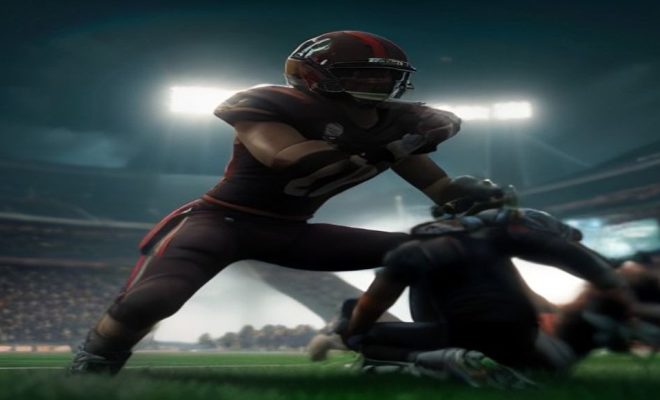
If you’ve been anywhere near social media or gaming forums in the past few days, you’ve probably seen the storm brewing around the newly released NCAA Football 27. It’s not just a few grumblings; we’re talking about a full-blown, organized NCAA Football 27 boycott spearheaded by some of the biggest names in college football gaming content. The reason? A perceived ‘pay-to-win’ microtransaction system that has players and even, reportedly, some internal developers utterly fuming. The hashtag #CFBPlayDontPay isn’t just a catchy phrase; it’s a rallying cry for a community feeling betrayed by what they see as predatory monetization.
For years, gamers have wrestled with the encroaching presence of microtransactions in full-priced titles. We’ve tolerated cosmetic skins, season passes for new maps, and even some time-savers, but there’s a line. And for many, NCAA Football 27 didn’t just cross it; it sprinted past it, spiked the ball, and then charged players for the celebration animation. The core of the outrage revolves around the ability to spend real money to instantly maximize coach levels, granting an immediate and substantial competitive advantage. This isn’t about looking cool; it’s about fundamentally altering the balance of play, making skill and dedication secondary to the size of your wallet.
1. The #CFBPlayDontPay Movement: A Digital Uprising
The moment NCAA Football 27 launched with its controversial monetization scheme, the community response was immediate and fierce. What began as individual complaints quickly coalesced into a unified movement under the banner of #CFBPlayDontPay. This hashtag, rapidly going viral across platforms like X (formerly Twitter), TikTok, and YouTube, has become a digital town square where players share their frustrations, organize their boycott efforts, and demand accountability from the developers and publisher. It’s a powerful example of collective action in the digital age, demonstrating how quickly a passionate fanbase can mobilize when they feel their core values are being violated.
This isn’t just about a few vocal critics. We’re seeing a genuine groundswell of support, with countless players pledging not to purchase the game or its in-game currency. Content creators, who often serve as influencers and community leaders, have amplified this message, using their platforms to explain the issues, encourage the boycott, and keep the pressure on. Their involvement is crucial, as their reach can turn a niche protest into a mainstream conversation, making it impossible for the publisher to ignore.
2. Prominent YouTubers Lead the NCAA Football 27 Boycott: Voices of Discontent
At the forefront of the NCAA Football 27 boycott are well-known gaming YouTubers, particularly those specializing in college football content. Creators like Bordeaux and Boreax have used their considerable influence to articulate the community’s grievances and advocate for change. These aren’t just casual streamers; these are individuals who have built their entire online presence around their love for college football gaming, creating guides, sharing gameplay, and fostering vibrant communities. When they speak, their audiences listen.
Their decision to actively boycott and encourage their viewers to do the same carries significant weight. It’s a testament to how strongly they feel about the integrity of the game and the exploitation of its fanbase. For a YouTuber, boycotting a new, highly anticipated game in their niche means potentially sacrificing views and engagement, at least in the short term. This makes their stance even more impactful, signaling to both players and the publisher that this isn’t a trivial matter but a fundamental issue of fairness and ethical game design.
3. The ‘Pay-to-Win’ Mechanic: Maximizing Coach Levels with Real Cash
The heart of the controversy lies squarely with NCAA Football 27‘s ‘pay-to-win’ system, specifically the ability to use real money to instantly maximize coach levels. In a game like college football, where strategy and team management are paramount, a high-level coach provides tangible, undeniable advantages. They can influence player development, team morale, in-game decision-making, and even recruiting. Traditionally, building up a coach’s experience and abilities was a core gameplay loop, requiring hours of play, strategic choices, and a genuine investment of time.
Now, imagine facing an opponent who has simply bypassed all of that by swiping a credit card. Their coaches are maxed out from day one, giving them an immediate edge in every aspect of the game. This doesn’t just feel unfair; it fundamentally undermines the competitive spirit that drives sports games. It tells players that their skill, their grind, and their dedication are secondary to their willingness to open their wallets, transforming what should be a level playing field into a marketplace for advantages.
4. Undermining Competitive Integrity: A Blow to Fair Play
The most damaging aspect of the ‘pay-to-win’ system in NCAA Football 27, beyond the immediate financial concerns, is its direct assault on competitive integrity. Sports games thrive on the idea of a fair contest, where success is earned through skill, strategy, and perseverance. When money can buy superiority, the very essence of competition is corrupted. What’s the point of investing time to master plays, recruit talent, and develop your team if someone can simply purchase a shortcut to dominance?
This isn’t a cosmetic choice, like buying a fancy uniform. This is an advantage that directly impacts win-loss records, online rankings, and the overall enjoyment of the game. It creates a two-tiered system: those who play and earn their way, and those who pay to bypass the challenge. For a community built on the shared love of competition and the struggle for gridiron glory, this feels like a betrayal of the highest order. It tarnishes the very idea of a fair fight, making every victory suspect and every loss potentially attributed to a financial disparity rather than a skill gap. (See: impact of microtransactions in gaming.)
5. Internal Developer Discontent: Cracks in the Foundation
Perhaps one of the most telling details amidst this controversy is the report that internal developers are themselves unhappy with these monetization decisions. While the source material doesn’t name specific individuals or studios, the mere existence of such reports speaks volumes. It suggests that these ‘pay-to-win’ mechanics weren’t necessarily born from a collaborative, creative vision but rather imposed from higher up, likely from a publisher focused purely on maximizing revenue.
This internal dissent highlights a common tension within the gaming industry: the clash between creative integrity and commercial imperatives. Developers often pour their hearts and souls into creating engaging gameplay experiences, only to see them potentially compromised by monetization strategies that prioritize profit over player enjoyment. When the very people who built the game are reportedly dismayed by its monetization, it adds significant credibility to the players’ complaints and suggests a systemic issue beyond just a misstep in design. For more context, see Sony's Silence Infuriating Gamers.
6. The Broader Debate: Ethical Game Design and Consumer Rights
The NCAA Football 27 boycott isn’t happening in a vacuum; it’s a flashpoint in a much larger, ongoing debate about ethical game design and consumer rights within the gaming industry. For years, players have watched as full-priced games increasingly incorporate aggressive monetization tactics, ranging from loot boxes to battle passes to, now, direct ‘pay-to-win’ advantages. The question at the heart of this debate is simple: what constitutes a fair and respectful business model for entertainment products?
Consumers are paying $60, $70, or even more for a base game, with the expectation of a complete and enjoyable experience. When that experience is then gated or unbalanced by additional purchases, it feels like a bait-and-switch. This controversy forces us to confront uncomfortable questions: At what point do microtransactions become predatory? Do consumers have a right to a fair and balanced gameplay experience after purchasing a game? And how much power do players truly have to influence these corporate decisions?
7. Monetization Potential for Legal and Financial Services: Beyond the Game
While the immediate focus is on the game itself, the controversy surrounding the NCAA Football 27 boycott also opens doors for other industries. The sheer scale of player outrage and the perceived unfairness of the monetization model make this a ripe environment for discussions around consumer protection and potential legal recourse. Could this lead to class-action lawsuits, arguing that players were misled or that the game’s design constitutes an unfair trade practice? Legal services specializing in consumer rights or digital product litigation might find a significant audience here, offering guidance and exploring avenues for collective action.
Similarly, the ‘pay-to-win’ aspect touches on personal finance. For many, in-game spending can quickly spiral out of control, especially when perceived advantages are dangled in front of competitive players. This situation provides a platform for personal finance advice, offering strategies for managing in-game spending, recognizing predatory monetization patterns, and making informed decisions about digital purchases. It’s a chance to educate consumers on protecting their wallets in the increasingly complex landscape of digital entertainment.
8. A Call for ‘Ethical’ Gaming Purchases and Comparison Content: Voting with Your Wallet
The NCAA Football 27 boycott serves as a powerful reminder that consumers have agency, and one of their most effective tools is their wallet. This moment will undoubtedly spur more comparison content focusing on ‘best value’ or ‘ethical’ gaming purchases. Gamers are increasingly scrutinizing how developers and publishers choose to monetize their titles, and they’re willing to support companies that align with their values.
We’ll likely see more articles, videos, and discussions highlighting games that offer robust experiences without aggressive microtransactions, or those that implement them purely for cosmetics. This shift in consumer behavior could force publishers to re-evaluate their strategies, understanding that short-term gains from predatory practices might lead to long-term damage to brand reputation and player loyalty. Ultimately, the community is demanding a return to a model where the quality of the gameplay, not the depth of one’s pockets, determines success and enjoyment.
9. The History of Pay-to-Win: Not a New Phenomenon
While the outrage around NCAA Football 27 feels fresh and immediate, the concept of ‘pay-to-win’ isn’t new to the gaming world. We’ve seen iterations of it for decades, evolving from simple cheat codes sold in magazines to complex in-game economies. Early examples often appeared in free-to-play mobile games or MMOs, where the financial model relied entirely on optional purchases. Players generally accepted this because the base game was free. The expectation was that if you weren’t paying upfront, the developer had to make money somehow, and if that meant some players could progress faster by paying, it was a trade-off.
However, the line began to blur when full-priced, AAA titles started incorporating similar mechanics. Think back to early attempts at loot boxes in sports games, where you’d buy packs for a chance at better players. While not a direct purchase of power, the random nature often led to players spending significant sums, blurring the line between cosmetic enhancement and competitive advantage. The difference with NCAA Football 27 is the bluntness of it – a direct transaction for a clear, undeniable competitive edge. This isn’t a gamble; it’s a guaranteed power boost, making it feel particularly egregious in a game that costs full price.
10. The Economic Impact on Publishers: A Double-Edged Sword
Publishers often justify aggressive monetization by pointing to rising development costs and the need to sustain long-term revenue streams. A successful microtransaction model can indeed generate substantial profits, potentially funding future projects and keeping shareholders happy. But this approach is a double-edged sword. While it might deliver short-term financial gains, it risks alienating the core player base, leading to long-term brand damage and a decline in future sales. (See: growing backlash against pay-to-win models.)
The NCAA Football 27 boycott is a prime example of this risk. If enough players abstain from purchasing the game or its in-game content, the publisher’s projected revenue takes a hit. Even if some players choose to pay, the negative public perception can deter new players and erode trust among existing fans. In an industry where community goodwill is incredibly valuable, especially for annual franchises, alienating your most passionate customers can have lasting consequences far beyond a single game’s sales cycle. It’s a delicate balance between profitability and player satisfaction, and the current situation suggests that balance has been lost.
11. The Role of Community Managers and Social Media Teams: Caught in the Crossfire
Behind every major game release, there are dedicated community managers and social media teams working tirelessly to engage with players, share updates, and foster a positive environment. During a boycott like the NCAA Football 27 boycott, these individuals are often caught directly in the crossfire. They’re on the front lines, facing the brunt of player anger and frustration, even though they typically have no say in monetization decisions. For more context, see Tetris Controversy Is Just the Beginning.
Their job becomes incredibly difficult: how do you respond to widespread, legitimate criticism about a core game mechanic when you’re not empowered to offer solutions or even acknowledge the depth of the problem? Often, they’re limited to generic statements or silence, which only fuels further frustration. This highlights the human element of these controversies. While players are angry at the publisher, it’s often the lowest-level employees who bear the brunt of the immediate backlash, adding another layer of complexity to the overall situation.
12. Future Implications for Sports Gaming: A Turning Point?
The outcome of the NCAA Football 27 boycott could set a significant precedent for the future of sports gaming, and indeed, the wider gaming industry. If the boycott is successful in forcing the publisher to reconsider or remove the ‘pay-to-win’ mechanics, it will empower players and demonstrate the tangible impact of collective action. This could encourage other communities to push back against similar monetization strategies, leading to a broader shift towards more player-friendly models.
Conversely, if the boycott fizzles out and the game sells well despite the controversy, it might signal to publishers that they can get away with aggressive monetization, even in full-priced titles. This could lead to an acceleration of ‘pay-to-win’ features in future sports games, further eroding competitive integrity and player trust. The stakes are high, not just for NCAA Football 27, but for the entire genre and the relationship between players and developers for years to come.
Frequently Asked Questions About the NCAA Football 27 Boycott
Q1: What exactly is the NCAA Football 27 boycott about?
The NCAA Football 27 boycott is an organized protest by gamers against the newly released NCAA Football 27. The core issue is a “pay-to-win” microtransaction system that allows players to spend real money to instantly maximize their coach levels. This gives paying players an immediate, significant competitive advantage over those who play the game without spending extra cash, undermining fair play and competitive integrity.
Q2: What does “pay-to-win” mean in this context?
In NCAA Football 27, “pay-to-win” refers specifically to the ability to use real money to quickly max out coach levels. Higher-level coaches offer tangible in-game benefits, such as better player development, improved team morale, and more effective in-game decision-making. By paying, players can bypass the traditional gameplay loop of earning experience and developing coaches over time, giving them an unfair advantage from day one.
Q3: Who is leading the NCAA Football 27 boycott?
The boycott is largely spearheaded by prominent YouTubers and content creators specializing in college football gaming, such as Bordeaux and Boreax. These individuals have significant influence within the community and are using their platforms to raise awareness, articulate player grievances, and encourage their audiences to participate in the boycott by not purchasing the game or its in-game currency.
Q4: What is the #CFBPlayDontPay hashtag?
#CFBPlayDontPay is the rallying cry and primary hashtag for the NCAA Football 27 boycott. It’s used across social media platforms like X, TikTok, and YouTube to organize the protest, share frustrations, and demand accountability from the game’s developers and publisher. It emphasizes the desire for a game where skill and effort lead to success, not the amount of money a player spends. (See: research on gaming monetization strategies.)
Q5: Why are players so upset about this specific microtransaction?
Players are upset because it directly impacts the competitive balance of a full-priced game. Unlike cosmetic microtransactions (like skins or uniforms), maximizing coach levels provides a direct gameplay advantage. This feels like a betrayal of the competitive spirit inherent in sports games, suggesting that financial investment is more important than skill, strategy, or time spent playing the game.
Q6: Are developers happy with these monetization choices?
Reports suggest that some internal developers are unhappy with the monetization decisions in NCAA Football 27. This indicates that these ‘pay-to-win’ mechanics might have been imposed by higher-ups (likely the publisher) for revenue maximization, rather than being a collaborative creative decision by the development team. Internal dissent adds credibility to the players’ complaints.
Q7: What impact could the NCAA Football 27 boycott have?
The boycott could have several impacts. If successful, it might pressure the publisher to remove or alter the ‘pay-to-win’ mechanics, setting a precedent for more ethical monetization in future games. It could also encourage other gaming communities to take similar action. Conversely, if the boycott fails, it might signal to publishers that aggressive monetization strategies are acceptable, potentially leading to more ‘pay-to-win’ features in upcoming titles.
Q8: Is this a new problem in gaming?
While the specific implementation in NCAA Football 27 feels particularly overt, the broader issue of ‘pay-to-win’ and aggressive microtransactions in full-priced games has been a growing concern for years. It’s an evolution of concepts seen in free-to-play games and early loot box systems, but the direct purchase of competitive advantage in a premium title marks a significant escalation for many players.
Q9: How can I support the NCAA Football 27 boycott?
To support the NCAA Football 27 boycott, you can choose not to purchase the game or its in-game currency. You can also share your concerns on social media using #CFBPlayDontPay, engage with content creators who are advocating for change, and voice your opinion directly to the publisher if possible. The goal is to demonstrate to the publisher that these practices are unacceptable to the player base.
Q10: What are the long-term consequences for the game’s publisher?
In the short term, the publisher might see reduced sales or in-game spending if the boycott gains significant traction. Long-term consequences could include damage to brand reputation, erosion of player trust, and a potential decline in sales for future titles within the franchise or from the same publisher. Maintaining a positive relationship with the community is crucial for the longevity of any game franchise, and aggressive monetization can severely jeopardize that relationship.
The situation with NCAA Football 27 is more than just a momentary blip; it’s a significant moment for the gaming community. It’s a clear signal that players are fed up with what they perceive as exploitative monetization practices, especially when they directly impact the competitive integrity of a full-priced game. The unified front of the NCAA Football 27 boycott, led by prominent content creators and fueled by a viral hashtag, demonstrates the collective power of a passionate fanbase. Whether this pressure will be enough to force a change from the publisher remains to be seen, but one thing is certain: gamers are making their voices heard, loud and clear, demanding fair play and ethical design.
Trending Now
Frequently Asked Questions
Why are gamers boycotting NCAA Football 27?
Gamers are boycotting NCAA Football 27 due to its controversial 'pay-to-win' microtransaction system. Players feel that the ability to spend real money for competitive advantages undermines skill and dedication, leading to widespread frustration and the organized #CFBPlayDontPay movement.
What is the #CFBPlayDontPay movement?
#CFBPlayDontPay is a grassroots movement among gamers protesting the monetization practices in NCAA Football 27. It emerged shortly after the game's release, as players united on social media platforms to voice their discontent and demand changes from the developers.
How do microtransactions affect gameplay in NCAA Football 27?
Microtransactions in NCAA Football 27 allow players to purchase enhancements that can maximize coach levels instantly, giving them a significant competitive edge. This creates an imbalance where players with more money can outperform those who rely solely on skill.
What are the consequences of the NCAA Football 27 boycott?
The boycott may lead to decreased sales for NCAA Football 27 and force developers to reconsider their monetization strategies. It highlights the power of community action in gaming, as players demand accountability and changes to ensure a fairer playing field.
How has social media influenced the NCAA Football 27 boycott?
Social media has played a crucial role in amplifying the NCAA Football 27 boycott. Platforms like X (formerly Twitter), TikTok, and YouTube have allowed players to share their frustrations, organize their efforts, and rapidly spread the #CFBPlayDontPay hashtag, uniting the community.
What did we miss? Let us know in the comments and join the conversation.