The Baffling Twitter Startup Name Change: Why ‘Bluebird’ Had to Die
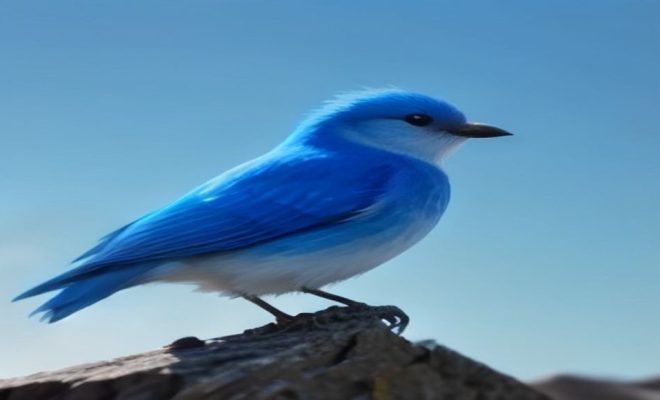
When a beloved brand undergoes a dramatic transformation, it inevitably leaves a void. For many, that void was created when Elon Musk acquired Twitter and rebranded it to X. The little blue bird, once a global icon of free expression and digital town squares, was unceremoniously retired, replaced by a stark, minimalist ‘X’ logo. But what happens when a startup, driven by nostalgia and a genuine belief in the original vision, tries to bring a piece of that past back? You get a fascinating — and ultimately legally complicated — story like that of Operation Bluebird, a company that recently found itself at the heart of a significant Twitter startup name change.
Operation Bluebird had a clear, almost romantic, mission: to resurrect the spirit and functionality of classic Twitter. They were building a product that aimed to feel familiar, comforting, and quintessentially ‘Twitter-like’ in a world increasingly dominated by the enigmatic X. Their name itself, ‘Operation Bluebird,’ was a direct homage to the platform’s iconic avian mascot. It was a clever, evocative choice, signaling to users exactly what they were trying to achieve. Yet, this very choice, born of reverence, led directly to their legal troubles and a forced rebranding. The case is a potent reminder for founders everywhere about the intricate and often unforgiving landscape of intellectual property, especially when dabbling with the legacy of a global brand.
The saga of Operation Bluebird, now known as Tweet.App, isn’t just a niche legal squabble; it’s a microcosm of the broader shifts happening in the tech world. It highlights the tension between innovation and established brand ownership, the power of a name, and the enduring emotional connection users have to digital platforms. For anyone tracking the evolution of social media or the precarious journey of startups, this particular Twitter startup name change offers plenty to unpack.
The Genesis of Operation Bluebird: A Nostalgic Resurgence
To truly understand the implications of this Twitter startup name change, we need to go back to the sentiment that fueled Operation Bluebird’s creation. When Elon Musk acquired Twitter in October 2022 for a staggering $44 billion, the platform entered a period of intense, rapid, and often controversial change. From mass layoffs to policy shifts and the eventual rebranding to X, the experience for many long-time users was disorienting. There was a palpable sense of loss, a yearning for the ‘old Twitter’ – the one characterized by its chronological feed, its distinct user interface, and, of course, its friendly blue bird logo.
It was into this emotional chasm that Operation Bluebird emerged. The founders clearly recognized a market need, not just for an alternative social media platform, but specifically for one that consciously invoked the nostalgic elements of Twitter. Their ambition wasn’t to reinvent the wheel entirely, but rather to refine and restore a beloved user experience. They understood that the ‘blue bird’ wasn’t just a logo; it was a symbol, a shorthand for a particular kind of online interaction. By naming themselves ‘Operation Bluebird,’ they were directly appealing to that sentiment, signaling their intent to revive what many felt had been lost.
This strategy of leveraging brand nostalgia is incredibly powerful, especially in tech. Think about how many retro gaming consoles or reboots of classic software find success. There’s a built-in audience, a pre-existing emotional connection, and a clear understanding of what the product should feel like. Operation Bluebird was tapping into this phenomenon, attempting to build a community around a shared longing for the past. Their initial traction, spurred by this evocative name, demonstrates just how strong that pull was.
The Legal Hammer Falls: Trademark Dispute and the September 3rd Ruling
The honeymoon period for Operation Bluebird, however, was short-lived. On September 3rd, a legal ruling came down that forced the fledgling startup to abandon its carefully chosen name. The order stemmed from a trademark dispute, with X (the company formerly known as Twitter) asserting its intellectual property rights over the ‘Bluebird’ moniker and associated imagery. This wasn’t some minor technicality; it was a direct challenge to the core of Operation Bluebird’s branding strategy.
The legal argument from X was straightforward: despite the rebrand from Twitter to X, the company still holds significant trademark registrations related to the ‘Twitter’ name, the ‘blue bird’ logo, and various associated terms. While Musk might have jettisoned the brand publicly, the legal protections remained firmly in place. From X’s perspective, Operation Bluebird was capitalizing on their established brand equity, potentially causing confusion among consumers, and encroaching upon their intellectual property. It’s a classic case of brand protection, even if the brand in question has undergone a radical transformation. (See: Twitter's history and branding changes.)
For Operation Bluebird, the ruling was a significant blow. A name isn’t just a label; it’s the foundation of a brand’s identity, its marketing, and its community building. To have that foundation pulled out from under them so early in their journey undoubtedly presented a massive challenge. It forced them to not only choose a new name but also to pivot their entire public-facing identity, all while trying to maintain momentum and reassure their burgeoning user base. This Twitter startup name change wasn’t just an inconvenience; it was a crisis.
Why Trademarks Matter: Protecting Brand Identity in Tech
This incident serves as a stark reminder of the critical importance of trademark law in the startup world, especially in a crowded digital landscape. Trademarks aren’t just fancy logos or catchy names; they are legal protections for the unique identifiers that distinguish one company’s goods or services from another’s. They prevent confusion, protect reputation, and represent significant commercial value. For X, even with its new identity, maintaining control over the ‘Twitter’ and ‘Bluebird’ trademarks is crucial for several reasons.
Firstly, it prevents dilution. If other companies are allowed to freely use variations of their former brand, it weakens the distinctiveness of X’s current offerings and could confuse users about who owns what. Secondly, it preserves future options. X might, at some point, decide to launch a product or service that harks back to the Twitter brand, and they need to ensure they retain the exclusive right to do so. Lastly, it protects against unfair competition. A startup leveraging a well-known, even if retired, brand name benefits from the established recognition and goodwill without having to build it themselves.
For founders, this means comprehensive trademark searches and applications should be among the very first steps in establishing a business. It’s not enough to simply check if a domain name is available; you need to investigate whether your chosen name, logo, or even a key phrase infringes on existing trademarks. The cost of a thorough legal review pales in comparison to the expense and disruption of a forced rebrand, especially after significant investment in marketing and community building. This Twitter startup name change saga is a textbook example of neglecting this vital step.
From Bluebird to Tweet.App: The Rebranding Challenge
In the wake of the legal ruling, Operation Bluebird moved swiftly to rebrand, emerging as Tweet.App. This rapid pivot demonstrates an admirable degree of agility, but it also highlights the inherent difficulties in such a situation. A name change isn’t just about updating a logo; it’s about shifting an entire brand narrative. Think about all the collateral that needs changing: website copy, social media handles, app store listings, marketing materials, and internal communications. Every single touchpoint with the user base needs to be updated, and quickly, to avoid further confusion.
The new name, Tweet.App, is pragmatic. It’s descriptive, clearly indicating the app’s function and its connection to the act of ‘tweeting’ – another term deeply embedded in the public consciousness thanks to Twitter. While it lacks the poetic nostalgia of ‘Operation Bluebird,’ it’s legally safer. It attempts to retain a connection to the original platform’s lexicon without directly infringing on its trademarks. This strategic move shows the startup’s determination to survive and continue its mission despite the setback. They understood that while the name was important, the underlying product and community were paramount.
However, rebranding always comes with a cost. There’s the financial outlay for new design and legal work, but perhaps more significantly, there’s the potential loss of brand recognition and momentum. Users who were drawn in by the evocative ‘Operation Bluebird’ name might not immediately recognize ‘Tweet.App.’ The startup now has the uphill battle of re-educating its audience and rebuilding the emotional connection it had carefully cultivated. It’s a testament to the resilience of founders, but also a cautionary tale about the pitfalls of brand naming.
Elon Musk, X, and the Enduring Legacy of Twitter
It’s impossible to discuss this Twitter startup name change without acknowledging the central figure in Twitter’s transformation: Elon Musk. His acquisition and subsequent rebranding to X represent one of the most significant and controversial corporate identity shifts in recent memory. By jettisoning the ‘Twitter’ name and the ‘blue bird,’ Musk aimed to signal a radical departure, to create an ‘everything app’ that transcended the limitations of a microblogging platform. Yet, the legal action against Operation Bluebird shows a clear intent to maintain control over the intellectual property of the past. (See: intellectual property and legal issues.)
This duality is fascinating. On one hand, Musk is actively trying to move away from the Twitter brand; on the other, his company is vigorously defending its trademarks. This isn’t necessarily contradictory. It speaks to the immense value embedded in a globally recognized brand, even one that its current owner is trying to evolve past. The ‘Twitter’ brand, with its history, its cultural impact, and its established user base, is still a powerful asset, regardless of X’s future ambitions. Allowing other entities to freely use that brand would dilute its value and potentially create confusion that could harm X’s ongoing operations.
The incident underscores the lingering emotional pull of Twitter’s original identity. Even as X pushes forward, millions of users, and clearly some enterprising founders, still associate positively with the blue bird and the ‘tweet.’ This makes the legal battles over these legacy assets all the more significant. They’re not just about corporate rights; they’re about the collective memory and cultural impact of a platform that shaped online communication for well over a decade.
Lessons for Founders: Navigating IP in a Changing Tech Landscape
For any aspiring founder, the Operation Bluebird saga offers a treasure trove of critical lessons. The most obvious, as we’ve discussed, is the absolute necessity of robust intellectual property due diligence. Before you settle on a name, a logo, or even a tagline, invest in professional legal advice to ensure you’re not infringing on existing trademarks or copyrights. This isn’t a luxury; it’s a fundamental requirement for building a sustainable business. Skipping this step is akin to building a house without checking the foundation.
Beyond the legalities, there’s a strategic lesson about leveraging nostalgia. While it can be a powerful marketing tool, it must be approached with extreme caution, especially when dealing with active trademarks. There’s a fine line between inspiration and infringement. If your brand relies too heavily on evoking a specific, protected predecessor, you’re inviting legal trouble. Instead, focus on building a unique identity that offers similar value or experience without directly appropriating another’s brand elements.
Furthermore, this incident highlights the importance of adaptability. When faced with an existential challenge like a forced rebrand, a startup’s ability to pivot quickly and effectively can make all the difference. Operation Bluebird’s swift transition to Tweet.App, despite the difficulties, demonstrates a crucial entrepreneurial trait: resilience. The journey of a startup is rarely a straight line, and being prepared for unexpected detours, including legal ones, is key to long-term survival.
The Broader Implications for Brand Identity and User Loyalty
This Twitter startup name change isn’t just a story about a single company; it has broader implications for how we perceive brand identity and user loyalty in the digital age. When a platform changes its core identity, as Twitter did with X, it creates a unique dynamic. On one hand, the company legally owns its trademarks and has every right to protect them. On the other hand, the emotional connection users have often transcends corporate ownership, forming a kind of cultural commons.
The fact that a startup would even attempt to resurrect the ‘blue bird’ spirit speaks volumes about the enduring resonance of the original Twitter brand. It suggests that brand identity, particularly for social platforms, isn’t solely dictated by the company that owns it. It’s also shaped by the collective experience and affection of its users. When that identity is radically altered, there will always be those who seek to preserve or recreate it.
This creates a fascinating tension. How much control does a company truly have over the cultural perception of its brand, especially when users feel a sense of ownership over a platform they’ve invested so much time and emotion into? The Operation Bluebird case shows that while cultural ownership might exist, legal ownership still holds sway. It’s a reminder that even in the most communal digital spaces, the rules of intellectual property are still firmly enforced. (See: Twitter's rebranding and its implications.)
What’s Next for Tweet.App and the ‘Spirit of Twitter’?
So, what does the future hold for Tweet.App, the rebranded entity that was once Operation Bluebird? They’ve cleared a significant legal hurdle, but the challenge of building a viable social media platform remains immense. They’ll need to continue to innovate, to differentiate themselves from X and other competitors, and to convince users that their platform truly embodies the ‘spirit of Twitter’ that so many miss.
Their success will hinge on several factors: the quality of their product, their ability to foster a vibrant and engaged community, and their capacity to navigate the ever-present competition in the social media space. The name change, while a setback, could also be seen as a clarifying moment. It forces them to stand on their own merits, to build a brand identity that is unique and sustainable, rather than relying too heavily on the echoes of a past giant.
The broader question of the ‘spirit of Twitter’ also continues to evolve. Will X successfully transform into the ‘everything app’ Musk envisions? Or will fragmented communities, like those Tweet.App hopes to attract, continue to seek out platforms that offer a more focused, nostalgic experience? The answers to these questions will shape the future of online communication and the enduring legacy of one of the internet’s most iconic brands. The story of this Twitter startup name change is far from over; it’s just entered its next chapter.
The Unfolding Saga of Digital Brand Ownership
The case of Operation Bluebird and its forced Twitter startup name change serves as a compelling, real-world example of the complexities inherent in digital brand ownership. It’s not merely about who registers a name first; it’s about the ongoing vigilance required to protect that brand, especially when it carries immense cultural weight and historical significance. The lines between inspiration, homage, and infringement can be blurry, but the consequences of crossing them are crystal clear, as the founders of what is now Tweet.App can attest.
This incident also speaks to a fascinating phenomenon in the digital age: the collective desire to preserve or revive beloved online experiences. When major platforms undergo radical shifts, a segment of their user base often feels disenfranchised. This creates fertile ground for startups aiming to capture that lost sentiment. However, as this story illustrates, doing so effectively and legally requires more than just good intentions or a clever name. It demands a deep understanding of intellectual property law and a willingness to forge a truly independent path, rather than merely re-treading the footprints of giants, no matter how iconic those footprints might be.
Trending Now
Frequently Asked Questions
Why did Twitter change its name to X?
Twitter changed its name to X as part of Elon Musk's vision to transform the platform into a broader 'everything app.' The rebranding aimed to signify a shift away from its original identity, represented by the bluebird, towards a more minimalist and versatile brand.
What is Operation Bluebird?
Operation Bluebird was a startup that aimed to revive the nostalgic essence of classic Twitter. Their mission was to create a platform reminiscent of Twitter's original functionality and feel, directly referencing the iconic bluebird in their name.
Why did Operation Bluebird have to rebrand?
Operation Bluebird faced legal challenges due to its name, which was seen as a direct homage to Twitter's brand. This led to a forced rebranding to Tweet.App, highlighting the complexities of intellectual property in the tech industry.
What does the name change from Operation Bluebird to Tweet.App signify?
The name change from Operation Bluebird to Tweet.App signifies a shift in branding due to legal pressures. It reflects the startup's need to distance itself from Twitter's intellectual property while still aiming to capture the essence of the platform.
What are the implications of the Operation Bluebird story for startups?
The Operation Bluebird story illustrates the challenges startups face regarding brand identity and intellectual property. It serves as a cautionary tale about the risks of invoking established brands and the importance of navigating legal landscapes carefully.
This builds on social media trends for 2023.
Agree or disagree? Drop a comment and tell us what you think.