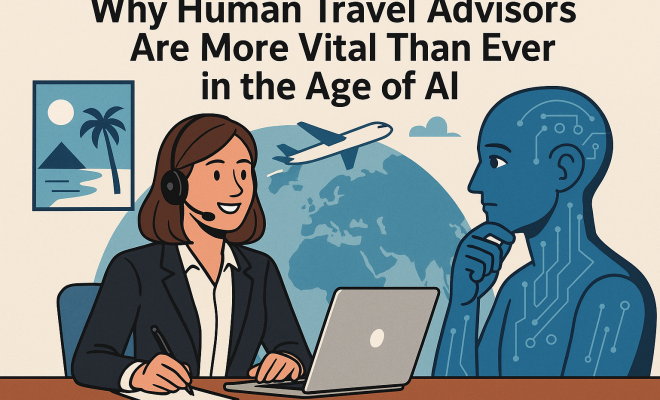
Human Travel Advisors: More Essential Than Ever in the AI Era
“`html
As technology continues to evolve at a rapid pace, the travel industry is at a crossroads where human expertise and artificial intelligence vie for dominance. The emergence of AI travel planning tools like Travo, Layla, Navan Edge, OpenAI Agent Mode, and Claude has raised questions about the future role of the human travel advisor. Despite the allure of instant itineraries and automated solutions, this article argues that human travel advisors are not merely surviving in the AI era; they are becoming more essential than ever.
The Rise of AI in Travel Planning
In recent years, AI has transformed numerous industries, and travel is no exception. With the ability to process vast amounts of data and generate personalized itineraries in seconds, AI tools have attracted both consumers and companies eager for convenience. AI can quickly analyze preferences, historical data, and market trends, allowing it to suggest trips that align with users’ interests.
Platforms like Travo and Layla have made significant strides in this domain. They utilize advanced algorithms to curate travel options based on user input, which can range from budget constraints to preferred activities. However, while these tools are impressive, they often lack the nuanced understanding and personal touch that only human travel advisors can provide.
The Value of Human Empathy
A key differentiator between AI and human advisors is the element of empathy. When travelers face challenges—such as flight cancellations, lost luggage, or unexpected emergencies—an empathetic human presence can be invaluable. A travel advisor can provide reassurance, offer informed judgment, and make quick decisions that align with the traveler’s best interests. AI tools lack this emotional intelligence.
Moreover, a travel advisor’s ability to build relationships with clients fosters trust and loyalty. In an industry where personal experiences often define success, the human touch is irreplaceable. Many travelers value having someone who understands their preferences and can advocate for them during unforeseen issues, which can occur in even the most meticulously planned trips.
The Personalization Advantage
Personalization is one of the most significant trends in travel today. AI can generate personalized recommendations based on data, but it often falls short of capturing the complexities of human desires and experiences. Travel advisors take into account not just preferences but also the subtle nuances of their clients’ personalities, past experiences, and even their travel goals.
For instance, a seasoned travel advisor can suggest a hidden gem restaurant in a city based on a client’s previously expressed taste for local cuisine, while AI might only present popular dining options. This level of personalization enhances the travel experience significantly, making it more memorable and enjoyable.
Case Studies: Successes of Human Advisors
Several travel agencies have embraced the blend of human expertise and technology, showcasing the continued relevance of human advisors. For example, a luxury travel agency successfully combined AI tools with the insights of their experienced travel advisors. The AI handled routine tasks while the advisors focused on curating unique experiences for clients.
In this hybrid model, clients received the best of both worlds: swift data processing and human interaction. The agency reported increased client satisfaction and a surge in repeat business, illustrating that human advisors add unique value that AI cannot replicate.
Challenges Presented by AI
Despite the advantages of AI, there are challenges that come with its use in travel planning. One major concern is the potential for over-reliance on technology. When travelers depend solely on AI-generated itineraries, they may miss out on authentic experiences and interactions.
Moreover, AI tools may inadvertently promote a cookie-cutter approach to travel, where every traveler receives similar recommendations based solely on data. This lack of diversity in experiences can lead to dissatisfaction among travelers who seek unique adventures. (See: impact of AI on travel industry.)
Interpreting Data: The Role of Human Insight
While AI excels at processing data, human travel advisors bring the ability to interpret that data contextually. A travel advisor can analyze trends in user preferences, adapting recommendations based on personal interactions and feedback. They can recognize when a client’s stated preferences are not aligned with their actual desires, offering insights that an AI-driven tool could miss.
For example, a travel advisor might note that a client who typically enjoys luxury accommodations has expressed interest in eco-friendly options for a specific trip. They can then explore and suggest eco-lodges that not only meet the client’s environmental values but also provide a luxurious experience, which may not be something an AI tool would automatically pair.
The Future of Travel Planning
Looking ahead, the travel industry may evolve into a hybrid model where human advisors and AI tools work symbiotically. For many travelers, the most effective planning experience will likely involve a seamless integration of both. AI can handle logistical tasks, while human advisors can focus on the emotional and experiential aspects of travel.
This evolution fosters a new understanding of the role of a travel advisor. Rather than viewing technology as a competitor, advisors can embrace it as a tool that enhances their service offerings. As technology continues to advance, the need for human insight and empathy will remain a crucial component of the travel planning process.
The Emotional Connection
The emotional connection between a travel advisor and their client cannot be overstated. This relationship is forged through understanding, communication, and shared experiences. When a traveler encounters a setback, it is often the travel advisor who provides a reassuring voice to help navigate the situation.
For example, if a flight is canceled due to unforeseen circumstances, a human advisor can quickly assess the situation, offer alternatives, and communicate with airlines on the traveler’s behalf. This proactive support is something that AI cannot replicate, as it lacks the ability to empathize and navigate human emotions effectively.
Statistics on Travel Preferences
Recent surveys provide insight into consumer preferences regarding travel advisors versus AI tools. According to a 2023 study by the American Society of Travel Advisors (ASTA), 76% of travelers prefer booking through a human advisor for complex itineraries, while only 24% express confidence in AI-generated suggestions for intricate travel plans.
Furthermore, 82% of respondents indicated that they value the personal relationship built with their travel advisor, citing trust and understanding as key factors in their booking decisions. This data illustrates the significant role of human expertise in the evolving landscape of travel.
Final Thoughts: A Bright Future for Travel Advisors
In conclusion, while AI travel planning tools are undeniably changing the landscape of the travel industry, they are not replacing the need for human travel advisors. Instead, they are reshaping the role of these advisors, emphasizing the importance of empathy, personalization, and emotional intelligence in travel planning.
The value of a human travel advisor lies in their ability to connect with clients, understand their unique needs, and provide tailored experiences that technology alone cannot achieve. As the travel industry continues to evolve, those in the role of a travel advisor will find new opportunities to thrive, creating unforgettable journeys that blend the best of technology and human connection.
Understanding the Role of a Travel Advisor
The role of a travel advisor extends beyond mere itinerary planning; it encompasses being a consultant, advocate, and friend to travelers. Advisors use their extensive knowledge of destinations, travel trends, and logistics to create customized travel experiences. This ensures that travelers not only see the sights but also engage with the culture, cuisine, and people of the destinations they visit.
Moreover, travel advisors often have insider access to exclusive deals, events, and experiences that are not available to the general public. This insider knowledge can turn an ordinary trip into an extraordinary experience, which is invaluable for travelers looking for something special. (See: human travel advisors and AI.)
Expert Perspectives on the Future of Travel Advisors
Industry experts agree that while AI will play a significant role in travel planning, the human touch remains irreplaceable. Sarah Johnson, a travel industry analyst, states, “Travel is inherently a human experience. AI will enhance certain aspects, but the emotional connections that travelers build with their advisors are crucial for creating meaningful experiences that machines simply cannot replicate.” This perspective highlights the importance of human interaction in customer satisfaction and loyalty within the travel sector.
Additionally, Greg Smith, a veteran travel advisor, notes, “The best part of being a travel advisor is understanding my clients on a personal level. I often get feedback that they appreciate my recommendations, which come from knowing their preferences and aspirations. AI tools can suggest based on data, but they can’t replicate the relationship we build over time.” These insights emphasize the distinct advantages human advisors have over AI tools.
Comparing AI Tools and Human Advisors
To better understand how AI tools and human advisors complement each other, let’s look at a comparison:
- Data Processing: AI tools can quickly process large amounts of data and provide recommendations based on user preferences, whereas human advisors curate experiences based on their knowledge and understanding of a client’s unique needs.
- Personal Touch: Human advisors provide personalized service and support that AI cannot match, such as emotional support during travel disruptions.
- Creativity: Travel advisors often think outside the box and can create unique itineraries, incorporating local experiences that AI may overlook.
- Response to Emergencies: In case of unforeseen issues, human advisors can quickly react, negotiate on behalf of clients, and provide tailored solutions, a task that AI cannot effectively perform.
This comparison demonstrates that while AI tools can enhance efficiency and data handling, the emotional intelligence and personalized service provided by human travel advisors are irreplaceable.
Frequently Asked Questions (FAQ)
What is a travel advisor?
A travel advisor is a professional who assists clients in planning, organizing, and booking travel experiences. They provide personalized recommendations based on each client’s preferences and requirements.
How do travel advisors differ from traditional travel agents?
While both travel advisors and travel agents help clients with travel arrangements, travel advisors often offer a more personalized and consultative approach, focusing on creating customized travel experiences rather than just booking travel services.
Why should I use a travel advisor over an AI tool?
Travel advisors provide valuable insights, personalized service, and emotional support that AI tools cannot offer. They understand the intricacies of travel and can advocate for you during unexpected situations, ensuring a more enjoyable travel experience.
Are travel advisors more expensive than booking online?
While some travel advisors may charge fees for their services, they often have access to exclusive deals and benefits that can save clients money in the long run. Additionally, the personalized service and expertise they provide can lead to a more enriching travel experience.
Can travel advisors help with international travel?
Yes, travel advisors are well-versed in international travel logistics, including visa requirements, health regulations, and cultural considerations. They can help you navigate these complexities, ensuring a smooth travel experience.
What are some benefits of using a travel advisor for group travel?
Travel advisors can efficiently manage logistics for group travel, ensuring that all members’ needs are met. They can negotiate group rates, organize activities, and provide customized itineraries that cater to the interests of various group members. (See: AI in travel planning research.)
How do I choose a travel advisor?
When choosing a travel advisor, consider their experience, area of expertise, and client reviews. It’s also important to find someone whose communication style aligns with your preferences, ensuring a smooth and enjoyable planning process.
Embracing Technology: How Advisors Use AI
While the human element remains vital in travel planning, many advisors are leveraging AI tools to enhance their services. By utilizing AI for data analysis and logistical tasks, travel advisors can save time and focus more on client relationships and personalized recommendations. For instance, AI can help advisors identify trends in client preferences, which they can then use to suggest tailored travel experiences.
This collaboration between human advisors and AI tools creates a robust system for planning, where both elements work together to deliver the best possible service to clients. This approach ensures that advisors remain relevant in the fast-paced technological landscape while still providing the human touch that travelers value.
New Trends in Travel: What Advisors Need to Know
The travel landscape is continually evolving, and travel advisors must stay informed about the latest trends to offer clients the best possible experiences. Here are some key trends shaping the future of travel:
- Sustainable Travel: More travelers are seeking eco-friendly options. Advisors can benefit from understanding sustainable practices and suggesting green accommodations, activities, and transportation methods.
- Bleisure Travel: The blending of business and leisure travel is on the rise. Advisors should be equipped to assist clients who want to extend business trips into leisure experiences.
- Wellness Tourism: Travelers are increasingly prioritizing wellness, seeking destinations that offer relaxation, restorative activities, and healthy cuisine. Travel advisors can curate wellness-focused itineraries that cater to this demand.
- Personalization Through Technology: Clients expect tailored experiences. Advisors can use technology to gather insights and preferences, allowing for more personalized service.
By keeping abreast of these trends, travel advisors can provide expert advice and recommendations that resonate with their clients’ evolving needs.
Conclusion: The Evolving Role of Travel Advisors
As the travel industry continues to evolve with AI and technological advancements, the role of travel advisors is also transforming. Rather than being replaced, they are becoming more integral to the travel experience, combining their expertise with AI tools to provide unparalleled service. The human touch, empathy, and personalized connections that travel advisors offer will always hold immense value in the travel planning process.
Looking towards the future, the relationship between travel advisors and technology will only grow stronger. By embracing new tools while maintaining their core principles of empathy and personal service, travel advisors will continue to play a pivotal role in creating memorable travel experiences for generations to come.
“`
Trending Now
Frequently Asked Questions
Are human travel advisors still relevant with AI tools?
Yes, human travel advisors are more relevant than ever despite the rise of AI tools. They provide personalized service and empathy that AI cannot replicate, especially in challenging situations like flight cancellations or emergencies.
What advantages do human travel advisors have over AI?
Human travel advisors offer personalized insights and emotional intelligence that AI lacks. They build trust with clients and can make informed decisions during travel disruptions, providing reassurance and support that automated systems cannot.
How has AI changed the travel planning industry?
AI has revolutionized travel planning by quickly analyzing data to generate personalized itineraries and suggestions. Tools like Travo and Layla streamline the process, but they often miss the nuanced understanding that a human advisor can provide.
What role do empathy and personal touch play in travel advising?
Empathy and personal touch are crucial in travel advising. Human advisors can connect with clients on a personal level, addressing their unique needs and concerns, especially during crises, which enhances the overall travel experience.
Can AI completely replace human travel advisors?
While AI can assist with travel planning, it cannot completely replace human travel advisors. The emotional intelligence, relationship-building, and personalized service that human advisors offer remain essential in the travel industry.
What did we miss? Let us know in the comments and join the conversation.