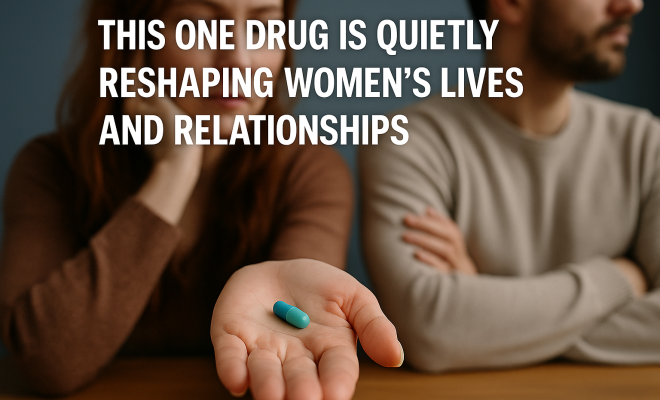
GLP-1 Drugs: Reshaping Women’s Lives & Relationships
“`html
Imagine a medication that doesn’t just treat a physical condition but also profoundly shifts social dynamics, opening doors to new relationships, career opportunities, and a more engaged life. It sounds almost futuristic, doesn’t it? Yet, emerging research on GLP-1 drugs – those powerful medications initially designed for diabetes management and now widely recognized for their significant weight loss effects – is painting just such a picture. We’re talking about a transformation that goes far beyond the scale, touching the very fabric of personal and professional lives, particularly for women.
While the headlines often focus on the dramatic weight loss achieved with medications like Ozempic, Wegovy, and Mounjaro, a deeper look reveals a fascinating and, frankly, astonishing ripple effect. These aren’t just about shedding pounds; they’re about shedding the societal baggage that often accompanies obesity. Economist Rebecca Diamond’s groundbreaking work is bringing these unforeseen social benefits into sharp focus, suggesting that GLP-1 drugs might be doing something truly remarkable: mitigating the long-standing ‘female obesity penalty’ that has quietly shaped countless lives. But, as with any revolutionary advancement, these benefits come with a thorny ethical dilemma: who gets access to this life-altering treatment, and at what cost?
Beyond the Scale: The Unseen Social Impact of GLP-1 Drugs
For years, medical science has grappled with obesity, viewing it primarily through a physiological lens. We’ve focused on BMI, metabolic health, and the myriad co-morbidities like heart disease and diabetes. And rightly so. These are critical health concerns. However, what has often been overlooked, or at least under-emphasized, is the profound social and psychological burden that obesity carries, particularly for women. Society, for better or worse, often attaches a significant penalty to obesity, influencing everything from first impressions in job interviews to romantic prospects.
This ‘female obesity penalty’ is a well-documented phenomenon in social sciences. It’s not just about health; it’s about how individuals are perceived, treated, and integrated into various social spheres. Think about the subtle (and sometimes not-so-subtle) biases that can affect dating, friendships, and even professional advancement. It’s a tough reality to confront, but it’s one that many individuals have navigated their entire lives. Now, GLP-1 drugs are emerging as a potential disruptor to this deeply ingrained societal pattern, offering a glimpse into a future where this penalty might be significantly reduced, if not entirely erased, for those who can access and benefit from these medications.
A Surprising Boost in Romantic Relationships for Women
One of the most jaw-dropping findings from Rebecca Diamond’s research comes from the realm of romantic relationships. Her study indicates that single women, after taking GLP-1 drugs, experienced a remarkable increase in their likelihood of marrying or moving in with a partner. We’re talking about an increase of up to 28.6 percentage points over 1.5 years. Let that sink in for a moment. This isn’t a marginal tweak; it’s a monumental shift in a fundamental aspect of human life – companionship and partnership.
What could explain such a dramatic change? It’s likely a complex interplay of factors. Weight loss often brings increased self-confidence, improved mobility, and a greater willingness to engage in social activities. But it also changes how others perceive and interact with individuals. In a society that often unfairly valorizes certain body types, significant weight loss can alter those initial perceptions, potentially making it easier to form connections. This isn’t to say that appearance is the sole determinant of love or partnership, but it undeniably plays a role in initial attraction and societal norms, and GLP-1 drugs seem to be addressing this head-on.
Opening Doors: GLP-1 Drugs and Career Advancement
The impact of GLP-1 drugs isn’t confined to personal relationships; it extends powerfully into the professional sphere. Diamond’s research also uncovered a significant boost in employment prospects for women. Specifically, unemployed women saw a staggering 26.9 percentage point increase in their chances of landing a job after 1.5 years on these medications. This finding is incredibly significant, highlighting how obesity can be an unseen barrier to economic opportunity.
Consider the typical job interview scenario. First impressions matter immensely. While employers are legally prohibited from discriminating based on weight, unconscious biases can still creep in. A candidate who feels more confident, has greater energy, and experiences less physical discomfort due to weight loss might perform better in an interview, project a more assertive demeanor, and simply be perceived more positively. Furthermore, some jobs have physical demands that can be challenging for individuals with obesity, and reducing weight can make those roles more accessible. These GLP-1 drugs aren’t just improving health; they’re acting as a catalyst for economic empowerment, helping women secure jobs and contribute more fully to the workforce.
Broader Economic Benefits: The Danish Experience
The insights from Diamond’s research are further corroborated and expanded by studies from other regions. Take Denmark, for instance, where researchers have observed another compelling economic benefit of GLP-1 drugs. Among diabetic patients using Ozempic, there was a reported 17.3% decline in long-term sick leave. This isn’t just a win for individual health; it’s a substantial benefit for the labor market and the broader economy.
Long-term sick leave places a heavy burden on individuals, employers, and national healthcare systems. It means lost productivity, increased healthcare costs, and a diminished quality of life for those affected. The reduction in sick leave suggests that GLP-1 drugs are not only managing diabetes more effectively but also improving overall health, energy levels, and the ability to maintain consistent employment. This data from Denmark paints a picture of a medication with far-reaching positive externalities, proving that the benefits of GLP-1 drugs extend well beyond the individual patient to society at large.
The Stinging Reality of Access: A Two-Tiered System?
With such profound and wide-ranging benefits, you might expect GLP-1 drugs to be readily available to anyone who could benefit. However, this is where the narrative takes a sharp turn into controversy and ethical quagmires. The fact is, these medications are expensive – prohibitively so for many. Brand-name versions can cost upwards of $1,000 to $1,500 per month without insurance. This high price tag has created a significant barrier to access, particularly for low-income individuals and those relying on public health insurance programs like Medicaid. (See: CDC on obesity research and statistics.)
Many insurance companies, including state Medicaid programs, are either denying coverage for obesity treatment with GLP-1 drugs outright or imposing stringent criteria that make it nearly impossible for many to qualify. The argument often centers on the ‘cosmetic’ nature of weight loss, despite overwhelming evidence that obesity is a chronic disease with serious health consequences. This denial of coverage isn’t just a bureaucratic hurdle; it’s a perpetuation of health inequities, creating a two-tiered system where only the affluent or those with generous private insurance can afford these life-changing treatments.
The Perilous Path of Compounded GLP-1 Drugs
The frustration stemming from denied insurance coverage and the exorbitant cost of brand-name GLP-1 drugs has driven many individuals to seek alternatives. This has led to a surge in the use of compounded versions of these medications. Compounding pharmacies can create customized medications, often at a significantly lower cost, especially when patent protections on the active ingredients are not yet fully established or when they source raw materials not approved for the brand-name drug.
However, this path is fraught with peril. Unlike FDA-approved brand-name drugs, compounded GLP-1 drugs are not subject to the same rigorous safety and efficacy testing, quality control, or manufacturing standards. There’s no guarantee of the purity, potency, or even the identity of the active ingredients. Patients might receive a drug that is too weak to be effective, too strong and dangerous, or even contains entirely different substances. The lack of regulatory oversight means a higher risk of contamination, incorrect dosages, and severe adverse reactions. It’s a desperate measure born out of a desperate situation, highlighting the urgent need for more equitable access to the approved versions of these medications.
Ethical Quandaries: Who Deserves Access to GLP-1 Drugs?
The controversy surrounding access to GLP-1 drugs isn’t just about cost; it’s deeply entangled with ethical considerations about who ‘deserves’ access to a medication that offers such profound social and health benefits. Is it fair to deny access to someone struggling with obesity, even if they don’t have type 2 diabetes, when the medication could transform their health, their social life, and their economic prospects? What about the long-term societal costs of untreated obesity versus the upfront cost of these drugs?
The debate often pits individual patient needs against the financial sustainability of healthcare systems. Insurance companies and policymakers are grappling with the immense potential demand for these drugs, fearing that widespread coverage could bankrupt health plans. Yet, the long-term benefits – reduced healthcare costs from preventing obesity-related illnesses, increased workforce participation, and improved quality of life – are compelling arguments for broader coverage. This isn’t just a financial calculation; it’s a moral one, forcing us to confront our values regarding health equity and access to transformative medical advancements.
The Future of GLP-1 Drugs: A Call for Equitable Solutions
The research on GLP-1 drugs has unequivocally demonstrated their power to do more than just manage weight or diabetes. They are proving to be agents of social mobility, enhancing the quality of life, romantic prospects, and career opportunities for countless individuals, particularly women. The ‘female obesity penalty’ is a real and often cruel aspect of modern society, and these medications offer a genuine pathway to mitigating its effects.
However, the current access disparities are glaring and deeply troubling. We cannot, as a society, stand by while a medication with such transformative potential remains largely out of reach for those who need it most, simply because of their socioeconomic status or the specifics of their insurance plan. The rise of risky compounded versions is a clear signal of the desperation felt by many. It’s a call to action for pharmaceutical companies to explore more affordable pricing models, for insurance providers to re-evaluate their coverage policies based on the full spectrum of benefits, and for policymakers to consider the broader societal gains of widespread, equitable access to these truly groundbreaking GLP-1 drugs. The future of healthcare, and indeed, social equity, hinges on how we address this critical challenge.
Understanding How GLP-1 Drugs Work: A Deeper Dive
To fully appreciate the scope of GLP-1 drugs’ impact, it helps to understand a bit about what they actually do inside the body. GLP-1 stands for Glucagon-Like Peptide-1, a natural hormone produced in your gut. This hormone plays several crucial roles in regulating blood sugar and appetite. When you eat, your body releases GLP-1, which then signals your pancreas to release insulin, helping to lower blood sugar. At the same time, it slows down gastric emptying, meaning food stays in your stomach longer, making you feel fuller for a longer period. It also acts on the brain to reduce appetite and cravings.
GLP-1 receptor agonists, the class of drugs we’re talking about, mimic this natural hormone. By activating the GLP-1 receptors, they amplify these natural processes. The result? Better blood sugar control for people with type 2 diabetes and, for many, significant weight loss due to reduced appetite and increased satiety. This isn’t just a simple appetite suppressant; it’s a sophisticated interaction with your body’s natural hunger and satiety signals, helping to reset metabolic pathways that might have been dysregulated for years. This multi-faceted mechanism of action is why they’ve proven so effective, and why their benefits ripple out into so many areas of life. Related reading: weight loss benefits of Ozempic.
Beyond Weight Loss: Unexpected Therapeutic Applications
While weight loss and diabetes management are the primary indications for GLP-1 drugs, researchers are uncovering a surprising range of potential therapeutic applications. The more we learn about the GLP-1 pathway, the more we realize its widespread influence throughout the body. For example, studies are exploring their potential in treating addiction, particularly alcohol and nicotine dependence. The idea is that by influencing reward pathways in the brain and reducing cravings, these drugs could help individuals overcome substance use disorders.
There’s also promising research into their effects on neurodegenerative diseases like Parkinson’s and Alzheimer’s. Some early studies suggest GLP-1 agonists might have neuroprotective properties, reducing inflammation and improving neuronal function. While these applications are still in early stages of research and far from being approved treatments, they hint at a much broader therapeutic landscape for GLP-1 drugs than we initially imagined. This expanding understanding underscores their groundbreaking nature and the potential for even greater societal impact down the line.
The Psychological Liberation: Self-Confidence and Mental Well-being
The social and economic benefits of GLP-1 drugs are often tied directly to the physical changes, but we shouldn’t underestimate the profound psychological liberation many individuals experience. Living with obesity can be a heavy mental burden, often accompanied by feelings of shame, low self-esteem, and social anxiety. The constant societal judgment, the struggle with daily tasks, and the perceived limitations can take a significant toll on mental well-being. (See: NIH study on weight loss drugs.)
When individuals achieve significant weight loss with GLP-1 drugs, it’s not just their bodies that transform; their minds often do too. There’s a newfound sense of confidence, a willingness to try new things, and a reduction in anxiety related to social situations. This psychological uplift can be just as impactful as the physical changes, empowering individuals to pursue opportunities they might have previously shied away from. It allows them to feel more present and engaged in their own lives, leading to a richer, more fulfilling existence. This isn’t a side effect; it’s a core component of the overall benefit, and it’s something often missing from discussions that focus solely on BMI metrics.
Addressing the Stigma of Obesity: An Expert Perspective
Obesity isn’t simply a matter of willpower or personal choice; it’s a complex chronic disease influenced by genetics, environment, metabolism, and psychological factors. Yet, a pervasive stigma persists, often leading to discrimination and blaming individuals for their condition. Dr. Fatima Cody Stanford, an obesity medicine physician and researcher, often emphasizes that “obesity is a disease, not a character flaw.” This perspective is crucial when discussing access to treatments like GLP-1 drugs.
From an expert’s standpoint, denying access to effective obesity treatments is akin to denying medication for other chronic diseases like hypertension or diabetes (even though GLP-1 drugs treat diabetes too). The medical community is increasingly recognizing obesity as a disease that requires medical intervention, not just lifestyle advice. GLP-1 drugs offer a powerful tool in this fight against a complex disease and the deeply ingrained societal stigma that accompanies it. Shifting the narrative from blame to medical necessity is vital for ensuring equitable access and treatment. This builds on promising option for weight loss.
Navigating Side Effects and Long-Term Considerations
While the benefits of GLP-1 drugs are compelling, it’s important to approach them with a balanced perspective that includes potential side effects and long-term considerations. Common side effects often involve the gastrointestinal system, such as nausea, vomiting, diarrhea, or constipation, especially when first starting the medication or increasing the dose. These usually subside over time as the body adjusts.
More serious, though rare, side effects can include pancreatitis, gallbladder issues, kidney problems, and a risk of thyroid C-cell tumors (seen in rodent studies, but not confirmed in humans). It’s crucial for patients to be thoroughly screened by a healthcare professional and monitored while on these medications. Furthermore, the long-term impact of sustained GLP-1 use is still being studied. While current data is largely reassuring, ongoing research will provide a clearer picture of potential effects over many decades. This means close collaboration with a doctor is essential for anyone considering these drugs, ensuring the benefits outweigh the risks for their individual health profile.
The Global Landscape: GLP-1 Drugs and Healthcare Systems Worldwide
The challenges of GLP-1 drug access aren’t unique to the US. Healthcare systems around the world are grappling with similar dilemmas. In countries with universal healthcare, decisions about coverage are often made at a national level, weighing the cost-effectiveness of GLP-1 drugs against other healthcare priorities. For example, the National Institute for Health and Care Excellence (NICE) in the UK has issued guidance recommending semaglutide (Wegovy) for weight management, but with strict criteria, often limiting it to specialist weight management services and individuals with specific BMI thresholds and co-morbidities.
This global perspective highlights that the high cost and potential widespread demand are universal challenges. Different countries are experimenting with various models of tiered access, patient support programs, and negotiations with pharmaceutical companies to try and balance patient need with fiscal responsibility. The conversation is less about whether these drugs are effective, and more about how societies can afford to integrate them equitably into their healthcare frameworks, especially when considering the long-term health and economic benefits they offer.
FAQ: Your Questions About GLP-1 Drugs Answered
Q1: What exactly are GLP-1 drugs and how do they work?
GLP-1 drugs are a class of medications that mimic the action of a natural hormone called Glucagon-Like Peptide-1 (GLP-1), which is produced in your gut. This hormone plays a key role in regulating blood sugar and appetite. When you take a GLP-1 drug, it helps your body release more insulin when blood sugar is high, slows down how quickly food leaves your stomach (making you feel fuller longer), and acts on your brain to reduce hunger and cravings. This combination leads to better blood sugar control for people with type 2 diabetes and significant weight loss for many individuals.
Q2: Are GLP-1 drugs only for people with diabetes?
Initially, GLP-1 drugs were approved primarily for the treatment of type 2 diabetes. However, due to their significant weight loss effects, some GLP-1 drugs (like Wegovy) are now specifically approved by regulatory bodies (like the FDA) for chronic weight management in individuals with obesity or who are overweight with at least one weight-related condition (e.g., high blood pressure, high cholesterol, type 2 diabetes). So, no, they’re not just for diabetes anymore, but the specific approval depends on the drug and your health profile.
Q3: What are the main benefits of taking GLP-1 drugs, beyond just weight loss?
While weight loss is a major benefit, GLP-1 drugs offer a range of other advantages. For people with type 2 diabetes, they significantly improve blood sugar control and can reduce the risk of cardiovascular events. Beyond that, research suggests they can lead to increased self-confidence, improved mental well-being, enhanced social engagement, and even better career prospects for women by mitigating the “female obesity penalty.” They can also reduce the risk of obesity-related health issues like heart disease, stroke, and sleep apnea. (See: Research on GLP-1 drugs and obesity.)
Q4: What are the common side effects of GLP-1 drugs?
The most common side effects are typically gastrointestinal in nature. These can include nausea, vomiting, diarrhea, constipation, and abdominal pain. These side effects are often mild to moderate and tend to decrease over time as your body adjusts to the medication. Your doctor will usually start you on a low dose and gradually increase it to help minimize these issues. Less common but more serious side effects can include pancreatitis, gallbladder problems, and kidney issues, so it’s important to discuss your full medical history with your doctor.
Q5: How expensive are GLP-1 drugs, and is insurance likely to cover them?
GLP-1 drugs are quite expensive, often costing between $1,000 and $1,500 per month without insurance. Insurance coverage varies widely. Many private insurance plans may cover them, especially if you have type 2 diabetes or meet specific criteria for weight management (e.g., a certain BMI with co-morbidities). However, some plans, including many state Medicaid programs, may deny coverage for weight loss indications, viewing it as “cosmetic” despite obesity being recognized as a chronic disease. This creates significant access challenges for many individuals.
Q6: What’s the deal with compounded GLP-1 drugs? Are they safe?
Compounded GLP-1 drugs are formulations made by compounding pharmacies, often at a lower cost than brand-name versions. While compounding pharmacies are legal, compounded GLP-1 drugs are NOT FDA-approved. This means they haven’t undergone the same rigorous testing for safety, efficacy, purity, or quality control as brand-name drugs. There’s a risk of receiving incorrect dosages, contaminated products, or even different active ingredients, which can be dangerous. Healthcare professionals generally advise against using compounded versions due to these significant safety concerns.
Q7: How long do you need to take GLP-1 drugs to see benefits?
For diabetes management, the benefits of blood sugar control are typically seen relatively quickly. For weight loss, it’s a gradual process. Most studies show significant weight loss occurring over several months to a year or more. The medications are generally intended for long-term or even lifelong use, as stopping them often leads to weight regain. It’s a chronic disease management approach, similar to taking medication for high blood pressure or high cholesterol.
Q8: Can men also benefit from GLP-1 drugs?
Absolutely! While the article highlights the “female obesity penalty” and its specific social impacts on women, men with type 2 diabetes or obesity can also experience significant health improvements and weight loss from GLP-1 drugs. They can see better blood sugar control, reduced cardiovascular risk, and the health benefits associated with weight reduction. The social dynamics might differ slightly, but the core physiological and health advantages apply to all genders.
Q9: What happens if I stop taking GLP-1 drugs?
If you stop taking GLP-1 drugs, your body’s natural hunger and satiety signals, and potentially your blood sugar regulation, will return to their baseline. This often means that appetite increases, and many individuals regain a significant portion of the weight they lost. For those with type 2 diabetes, blood sugar levels are likely to worsen again. These medications are designed for chronic management, meaning their benefits are sustained as long as you continue taking them, similar to many other medications for chronic conditions.
Q10: What’s the ethical debate around GLP-1 drug access?
The ethical debate primarily revolves around the high cost and limited access. Given their profound health, social, and economic benefits, particularly for a chronic disease like obesity, many argue that access should be equitable, regardless of socioeconomic status or insurance plan. The counter-argument from insurers and policymakers is the immense financial burden widespread coverage could place on healthcare systems. It forces a moral reckoning: should transformative treatments be limited to those who can afford them, or is there a societal responsibility to ensure broader access, weighing the upfront costs against long-term benefits for public health and economic productivity?
“`
Trending Now
Frequently Asked Questions
How do GLP-1 drugs impact women's social lives?
GLP-1 drugs, originally designed for diabetes management, are reshaping women's social dynamics by promoting significant weight loss. This transformation not only enhances physical health but also opens doors to new relationships and career opportunities, mitigating the societal penalties often associated with obesity.
What are the benefits of GLP-1 drugs beyond weight loss?
Beyond weight loss, GLP-1 drugs have been shown to reduce the social stigma and challenges associated with obesity, particularly for women. They help improve self-esteem and social engagement, leading to enhanced personal and professional interactions.
What is the 'female obesity penalty'?
The 'female obesity penalty' refers to the societal biases and disadvantages that women face due to their weight. Research indicates that this penalty can affect various aspects of life, including employment opportunities and social acceptance, which GLP-1 drugs may help alleviate.
Are GLP-1 drugs ethical for weight loss treatment?
While GLP-1 drugs offer significant benefits for weight loss and associated social improvements, their ethical implications raise questions about accessibility and cost. Ensuring equitable access to these medications remains a critical concern as their popularity grows.
What medications are considered GLP-1 drugs?
Common GLP-1 drugs include Ozempic, Wegovy, and Mounjaro. Initially developed for managing diabetes, these medications are now recognized for their effectiveness in promoting weight loss and improving overall health, particularly in women.
Have you experienced this yourself? We'd love to hear your story in the comments.