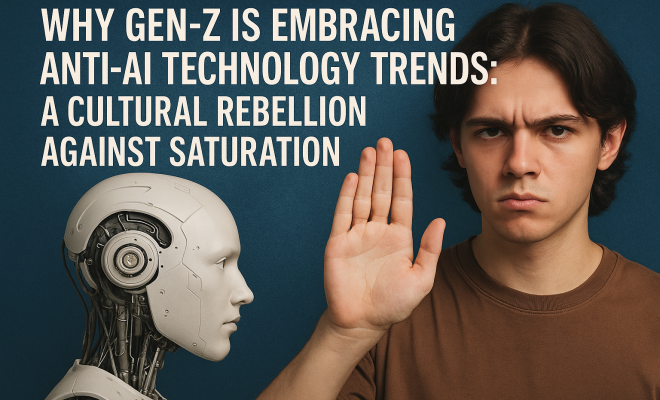
Gen Z’s Anti-AI Rebellion: Embracing Simplicity in a Saturated World
“`html
As we navigate through the rapidly evolving technological landscape, a surprising trend is emerging among the youngest generation—Gen-Z. While older generations are still spellbound by the promise of artificial intelligence (AI), a scathing backlash is taking root among the youth. This backlash is leading to a rise in what can be termed as anti-AI technology trends. Far from the conventional narrative of embracing more tech, Gen-Z is increasingly gravitating towards simpler, single-purpose, and even retro devices. But what’s behind this cultural shift, and why is it becoming a viral topic worthy of heated debates?
The Rise of Anti-AI Sentiment
The ongoing integration of AI into nearly every facet of modern living—from smartphones to smart homes—has begun to evoke a sense of discomfort among younger users. They are witnessing the saturation of AI technologies in daily products and services, and for many, this creates a sense of overwhelm. Instead of improving quality of life, AI is often perceived as a complicating factor that intrudes into personal spaces. This sentiment isn’t just a fleeting thought; it’s helping to shape a new tech identity that celebrates minimalism and intentionality over complexity.
For Gen-Z, who have grown up in an era characterized by rapid technological change, the constant push for smarter and more integrated devices can feel like a betrayal of the simplicity they yearn for. They’ve seen firsthand how technology can dominate our lives and are now pushing back against the norm. In this context, anti-AI technology trends emerge as a form of rebellion against what they see as a relentless tech treadmill.
Understanding the Frustration
One of the primary catalysts for this anti-AI movement is the frustration surrounding AI’s implications for privacy, security, and autonomy. Stories of data breaches, biases in AI algorithms, and AI’s role in amplifying misinformation have created a palpable sense of distrust. Gen-Z isn’t just fighting against AI; they are advocating for a more human-centric approach to technology.
The cultural pushback can also be linked to a broader existential crisis. Young people today are increasingly concerned about climate change, economic instability, and societal inequities—issues they feel are exacerbated by the relentless drive for technological advancement. In this light, dialing back on tech isn’t merely a preference; for many, it’s a necessity driven by a desire for meaningful change.
The Appeal of Simplicity
This backlash against AI also underscores a longing for simplicity and authenticity. Young consumers are increasingly opting for products that offer straightforward functionalities. Think classic items like film cameras, cassette players, and even simple notebooks. These analog devices have re-emerged as desirable alternatives to their digital counterparts, resonating with those looking to strip away the noise of modern living.
With social media platforms flooded with curated digital content, many young users are craving a return to genuine experiences. In their search for authenticity, they are leaning towards tools that help them create rather than consume. This pivot towards simplicity is not just about nostalgia; it’s about reclaiming agency in a world that often feels like it’s spinning out of control.
Rethinking Status Symbols
As anti-AI technology trends take hold, what constitutes a status symbol is evolving. In the past, cutting-edge tech gadgets were the ultimate symbols of prestige. However, a subtle but significant shift is taking place. The trend towards embracing simpler, analog tools is becoming a new marker of sophistication and individuality.
For instance, owning a vintage typewriter or a Polaroid camera is no longer just a quirky hobby but rather a statement of identity. It signals a rejection of the high-tech lifestyle that many deem superficial. This status shift is not just a fleeting trend; it reflects a larger cultural movement towards valuing experiences and connections over material possessions. (See: AI technology and societal impact.)
The Role of Social Media and Cultural Influencers
Social media plays a crucial role in shaping and amplifying these anti-AI sentiments. Platforms like TikTok and Instagram act as breeding grounds for trends that celebrate simplicity and analog experiences. Influencers are showcasing their own transitions from high-tech lifestyles to simpler, more intentional living. They share their journeys of decluttering, minimalism, and embracing single-purpose devices, creating a ripple effect among their followers.
The viral nature of these trends means that young people who might have never considered stepping away from AI are now rethinking their choices. It’s not just about the items themselves but the stories and identities that come with them. This kind of communal sharing fosters a sense of belonging among those who feel alienated by the tech-driven world.
Successful Brands Adapting to Anti-AI Trends
Brands are starting to take notice of these shifts in consumer sentiment. Companies focusing on anti-AI technology trends are beginning to emerge. For instance, brands that prioritize craftsmanship and simplicity over complexity are gaining traction among young users. Companies like Lomography, which specializes in analog photography, and retro game console producers are capitalizing on this trend, offering products that resonate with Gen-Z’s desire for simpler tech.
Moreover, brands are also tapping into the nostalgia factor, drawing inspiration from past decades to create products that feel familiar yet fresh. These companies aren’t merely selling products; they’re promoting a lifestyle that aligns with Gen-Z’s values. For many, purchasing these items is a way to participate in a cultural movement that stands in stark contrast to the AI-dominated future presented by mainstream tech companies.
Anti-AI and Environmental Consciousness
This cultural shift towards anti-AI trends is also intertwined with growing environmental consciousness. As awareness of climate change and pollution rises, many young people are questioning the sustainability of their tech consumption. The production and disposal of high-tech gadgets contribute significantly to electronic waste, a reality that Gen-Z is not willing to ignore.
Choosing simpler, analog alternatives can often be seen as a more sustainable decision. Products that don’t rely on batteries, updates, or cloud services tend to have a smaller environmental footprint. This commitment to sustainability is not only about rejecting AI but also about forging a path toward a more responsible and eco-friendly lifestyle.
Implications for the Future of Technology
The anti-AI technology trends emerging from Gen-Z could have profound implications for the future of the tech industry. As more young people advocate for a return to simplicity and authenticity, companies may need to rethink their strategies. The tech giants known for pushing the envelope may find themselves challenged by a generation that champions less as more.
In the long run, this could lead to a renaissance of sorts—one where companies innovate not just for the sake of advancement but with a keen eye towards user experience, sustainability, and genuine connectivity. This trend may signal a reset for an industry often criticized for prioritizing profits over people.
New Technologies in the Anti-AI Space
Interestingly, the rise of anti-AI sentiment has prompted the development of new technologies that align with these values. Companies are exploring tech solutions that reject the complex AI-driven models, opting instead for transparency and user control. For example, there are apps that prioritize user privacy by limiting data collection and providing options for users to manage their information securely. These technologies serve as a counter-narrative to the AI dominance, showing that not all technological advancements have to rely on AI.
Another key development is the rise of decentralized technologies, such as blockchain, which offer alternatives to traditional centralized systems that often rely heavily on AI for data processing and analysis. These technologies appeal to Gen-Z’s desire for autonomy and transparency. By allowing users to control their data and interactions, decentralized systems can foster trust and engagement among users who are wary of AI’s implications. (See: Gen-Z's relationship with technology.)
Comparing Anti-AI and AI-Driven Innovations
To better understand the nuances between anti-AI technology trends and AI-driven innovations, it’s helpful to draw a comparison. AI-driven products often emphasize efficiency and integration. For instance, smart home devices can automate tasks, learning from user behavior to optimize their functions. However, this level of complexity can create a learning curve that some users find daunting.
On the flip side, anti-AI innovations promote user-friendly experiences that prioritize simplicity. A straightforward alarm clock, for example, serves its purpose without the added features of a smart device. Users appreciate the ease of use and the lack of digital distractions. While both approaches have their merits, they cater to different user preferences and values, showcasing a tech landscape increasingly divided along these lines.
Frequently Asked Questions
What are anti-AI technology trends?
Anti-AI technology trends refer to a growing cultural and consumer movement, primarily among Gen-Z, that favors simpler, non-AI-driven devices and experiences over integrated, complex technologies that rely heavily on artificial intelligence.
Why are younger generations pushing back against AI?
Younger generations, particularly Gen-Z, are concerned about privacy issues, data security, and the influence of AI on societal issues like misinformation and job displacement. They advocate for technology that values human experience and simplicity.
How are brands responding to these trends?
Brands are responding by creating products that prioritize craftsmanship, simplicity, and sustainability. They are developing offerings that resonate more with the values of simplicity and authenticity that Gen-Z holds dear.
Is anti-AI technology sustainable?
Yes, many anti-AI technologies are seen as more sustainable because they often utilize materials and designs that have a lesser environmental impact compared to high-tech gadgets that frequently require updates and produce electronic waste.
What is the future of technology in light of these trends?
The future may see a shift towards more user-centric innovation that emphasizes sustainability, transparency, and genuine connectivity. Companies may need to balance technological advancement with the desires of consumers who are increasingly wary of AI’s role in their lives.
Comparative Analysis of Anti-AI and AI Technologies
Understanding the distinctions between anti-AI technology trends and conventional AI technology requires a closer look at their respective advantages and disadvantages. AI technologies, such as machine learning and automated processes, can enhance productivity and efficiency. For instance, AI can analyze vast amounts of data in seconds, providing insights that would take humans much longer to gather.
On the other hand, anti-AI technologies prioritize human engagement and creativity. For example, in creative fields like writing and art, many Gen-Z individuals prefer to use tools that enhance their own capabilities rather than replace them. This reliance on personal expression over algorithm-driven results speaks to a deeper yearning for authenticity in a world heavily influenced by automation. (See: mental health and technology.)
Statistically, surveys indicate that around 60% of Gen-Z respondents express a preference for brands that promote transparency and honesty, contrasting sharply with the often opaque nature of AI-driven algorithms. This disconnect highlights a growing concern over ethical technology use, which many feel is undermined by AI.
Expert Perspectives on Anti-AI Technology Trends
Leading voices in technology and sociology are beginning to comment on this cultural shift. Dr. Emma Rowe, a sociologist specializing in technology and youth culture, notes that “the rise of anti-AI sentiments among Gen-Z reflects a broader desire to reclaim agency over their lives. They are not against technology per se, but rather against technologies that diminish their autonomy.”
Similarly, tech ethicist Dr. Martin Fields emphasizes the role of education in this discourse. “We need to educate young consumers about the implications of AI while also showcasing alternatives. Ignoring this growing sentiment could alienate a generation that will ultimately shape the future of technology.”
The Impact of Anti-AI Trends on Tech Employment
One area where anti-AI trends are making an impact is in the job market. As companies increasingly adopt anti-AI practices, there’s a demand for talent that can bridge the gap between technology and human experience. Roles that emphasize user experience design, ethical tech advocacy, and sustainability are becoming more prevalent. Gen-Z is stepping into these roles with the mindset of fostering a tech landscape that aligns with their values.
Moreover, there’s a growing interest in careers focused on human-computer interaction and design. As anti-AI sentiments continue to evolve, job seekers are looking for opportunities that allow them to create technology that serves people rather than displaces them. This shift may lead to an evolution in tech education, with academic institutions adapting their curricula to prepare students for a future where human-centric technology is prioritized.
Concluding Thoughts
We stand at a cultural crossroads, where the intersection of technology and identity is being redefined, particularly by the younger generation. The anti-AI movement is more than just a rejection of artificial intelligence; it’s a broader commentary on our relationship with technology. As Gen-Z embraces simplicity and individuality, they are carving out a space that values authenticity, sustainability, and genuine human connection. Whether this trend will reshape the tech landscape remains to be seen, but one thing is clear: the conversation around technology is shifting, and it may be time for the industry to listen.
“`
Trending Now
Frequently Asked Questions
Why is Gen-Z rejecting AI technology?
Gen-Z is rejecting AI technology due to feelings of overwhelm and discomfort caused by the saturation of AI in daily life. They seek simplicity and minimalism, viewing constant technological advancement as complicating rather than enhancing their lives.
What are anti-AI technology trends?
Anti-AI technology trends refer to the growing preference among Gen-Z for simpler, single-purpose devices over complex AI-driven technologies. This movement is a cultural rebellion against the pervasive integration of AI in everyday products.
How does AI affect Gen-Z's perception of technology?
AI affects Gen-Z's perception of technology negatively, as they associate it with privacy concerns, misinformation, and a loss of autonomy. This has led them to advocate for a more intentional and minimalist approach to technology.
What factors contribute to Gen-Z's distrust in AI?
Factors contributing to Gen-Z's distrust in AI include data breaches, algorithmic biases, and the amplification of misinformation. These issues have fostered a sense of skepticism towards AI's role in society and its implications for personal privacy.
Is the anti-AI sentiment among Gen-Z a lasting trend?
The anti-AI sentiment among Gen-Z appears to be a significant cultural shift rather than a fleeting trend. As they prioritize simplicity and personal autonomy, this movement may influence future technology design and consumer behavior.
What did we miss? Let us know in the comments and join the conversation.