Why FIFA’s Ties to Saudi Oil Are Fueling Climate Protests Worldwide
“`html
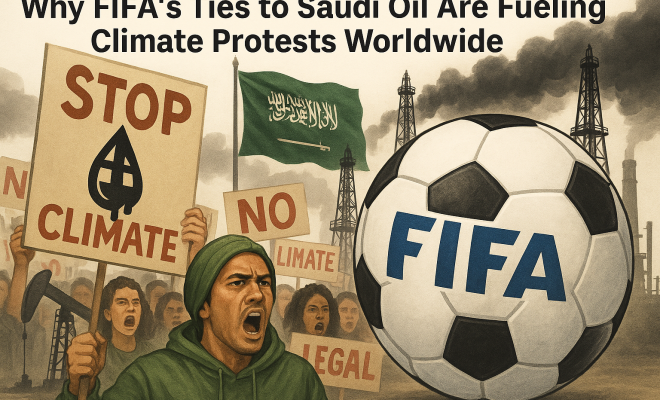
The intersection of sport and climate activism is witnessing a dramatic escalation, as climate protesters prepare to hold FIFA accountable for its sponsorship ties with Saudi oil. This situation combines three emotionally charged subjects: football, fossil fuels, and activism, creating a narrative that is as compelling as it is polarizing. As the world grapples with the urgent consequences of climate change, the spotlight is turning toward the financial relationships that major sporting institutions maintain with fossil fuel companies. This article will explore the implications of these partnerships, the emerging protests, and what they signify for both sports and climate action.
The Rise of Climate Protests in Sports
Climate protests have taken root across various sectors, from business to education, but sports are increasingly becoming a focal point for activists. The world of football, particularly, has seen its fair share of protests aimed at corporate sponsorships tied to environmentally destructive industries. The FIFA World Cup, one of the biggest sporting events globally, presents an unparalleled platform for activists. As the tournament draws viewers from all corners of the globe, it also highlights the ethics behind sponsorship deals with companies whose practices significantly impact climate change.
In recent years, the urgency of climate action has intensified, leading to a powerful movement that challenges the status quo. Activists are leveraging high-profile events like the World Cup to not only raise awareness but to demand accountability from organizations like FIFA. By targeting FIFA’s lucrative partnerships with sponsors from the oil sector, activists are building a narrative that connects the excitement of football with the pressing issue of climate change.
FIFA’s Controversial Partnership with Saudi Oil
FIFA has long been criticized for its decision to partner with companies that have a significant carbon footprint, with Saudi Arabia’s oil sector being a prime example. The Saudi oil industry is notorious for its contributions to greenhouse gas emissions, and many activists argue that by accepting sponsorships from such companies, FIFA is not only prioritizing profit over ethics but also compromising the future of the sport and the planet.
The partnership has raised eyebrows, especially considering Saudi Arabia’s track record on human rights and environmental issues. Critics argue that FIFA’s acceptance of oil money from Saudi Arabia is indicative of a larger trend where sports organizations align themselves with industries that are at odds with the values of sustainability and social justice. This misalignment can lead to significant backlash from fans and activists alike, creating a volatile atmosphere around major sporting events.
The Emotional Landscape of Football and Climate Action
Football is more than just a game—it’s a passion that millions share worldwide. When activists target the sport, they tap into a rich emotional landscape that resonates deeply with fans. The stakes are high; climate change threatens not only the environment but also future generations’ ability to enjoy the game. This emotional connection can transform a protest into a movement, compelling individuals to take action or express their outrage.
The combination of climate change and football creates a unique opportunity for activists to engage broader audiences. When a protest is framed around a beloved sport, it becomes more accessible to those who may not typically engage with environmental issues. The imagery and narratives surrounding football can amplify the message, making climate action not only relevant but vital.
The Polarizing Nature of Climate Protests
While the call to action is urgent, the responses to climate protests can be starkly divided. Supporters of the protests argue that these actions are necessary to raise awareness and drive systemic change. They see targeting FIFA and its Saudi sponsorship as a crucial step in dismantling the relationship between sports and fossil fuel money.
Conversely, detractors of the protests often argue that sports should remain free from political or ethical scrutiny. They view these protests as disruptions that detract from the joy of the game. This polarization can lead to heated debates on social media platforms, where discussions about climate action often ignite passionate responses.
A Closer Look at the Activists
Organizations and grassroots movements worldwide are increasingly joining forces to challenge FIFA’s Saudi oil sponsorship. These activists come from diverse backgrounds—environmental groups, human rights advocates, and passionate football fans—united by a common goal: to hold FIFA accountable for its choices. Groups like Fridays for Future and Extinction Rebellion have been known to organize protests during significant sporting events, often using creative, eye-catching methods to convey their messages.
These activists are savvy in their approach, understanding the power of media exposure. They employ tactics that not only raise awareness but also encourage dialogue, driving home the point that climate change and ethical considerations in sports are interconnected. Their efforts aim to create a ripple effect, inspiring individuals and organizations to reassess their relationships with fossil fuel companies. (See: FIFA World Cup and climate change.)
The Role of Social Media in Amplifying Protests
In an era dominated by social media, climate protests are finding new life online. Platforms like Twitter, Instagram, and TikTok are not just tools for mobilization; they also help in crafting a narrative that can resonate globally. Activists are leveraging hashtags, visual campaigns, and viral content to reach audiences far beyond the physical protest sites.
The shareability of climate protest content is a significant factor in its success. Images of protests, compelling infographics, and personal stories can engage users in ways that traditional forms of activism may not. The emotional appeal of these posts can spark conversations, drawing in individuals who might not otherwise engage with climate issues.
The Future of Climate Protests and Sports
As climate change continues to be a pressing issue, the relationship between sports and fossil fuel sponsorships will likely remain contentious. The growing awareness among fans and activists will put more pressure on organizations like FIFA to reconsider their partnerships. As more people demand accountability, sporting institutions may find themselves at a crossroads: maintain lucrative sponsorships or align with the values of sustainability and social responsibility.
Future protests may evolve in their tactics, becoming more structured and impactful as activists learn from past experiences. The ongoing discussions surrounding climate change are likely to shape how sports organizations conduct their business, pushing them toward more ethical practices.
Strategies for Effective Climate Activism
For those looking to engage in climate activism within the sports realm, there are several effective strategies to consider. Understanding the emotional connections fans have to their sports can serve as a foundation for campaigns. Here are some approaches to maximize impact:
- Collaborate with Influencers: Engaging athletes, coaches, or commentators who support climate action can amplify messages, bringing more visibility to the cause.
- Create Visually Compelling Content: Utilize striking imagery and powerful storytelling to create engaging social media posts that resonate with audiences.
- Organize Events: Host events during key sporting moments to maximize visibility and encourage participation from the local community.
- Educate and Inform: Raise awareness about the impact of fossil fuel sponsorships on climate change and encourage fans to voice their concerns to governing bodies.
- Utilize Petitions and Campaigns: Create petitions urging FIFA to reconsider its sponsorships with fossil fuel companies. Mobilizing fanbases to sign and share these can create significant pressure.
The Path Ahead: A Call to Action
The upcoming protests targeting FIFA’s Saudi oil sponsorship are a testament to the growing movement that seeks to intertwine sports with ethical responsibility. As the climate crisis continues to escalate, the role of major sporting organizations in this narrative becomes increasingly crucial.
Fans, players, and activists must unite to demand a future where sports and environmental sustainability coexist harmoniously. While the challenges are significant, the potential for change is within reach, fueled by collective action and a commitment to holding organizations accountable. The intersection of climate protest and FIFA’s Saudi oil sponsorship could very well become a pivotal moment in the ongoing fight for a sustainable future.
Impact of FIFA’s Sponsorships on Global Climate Efforts
FIFA’s sponsorship ties with Saudi oil do not exist in isolation. They reflect broader trends in sports and commerce where major institutions prioritize financial gain over environmental sustainability. This relationship has profound implications not just for the sport but for global climate efforts as a whole. The oil industry is a significant contributor to carbon emissions, and by partnering with them, FIFA is effectively endorsing practices that hinder climate progress.
According to a report by the Global Carbon Project, global carbon emissions reached a record high in 2022, largely fueled by fossil fuel consumption. FIFA’s association with the Saudi oil sector, which contributes significantly to these emissions, raises questions about the legitimacy of its role in promoting a sustainable future for sports.
As more environmental studies highlight the adverse effects of fossil fuels on climate patterns, the pressure on FIFA to sever ties with oil sponsors will continue to mount. The 2021 IPCC report clearly stated that without immediate action to reduce greenhouse gas emissions, the world will exceed the critical 1.5°C temperature increase limit set out in the Paris Agreement. Sporting organizations like FIFA must take heed, as their choices can either contribute to or combat this impending crisis.
Case Studies of Successful Climate Protests in Sports
To better understand what successful climate activism looks like within the sports arena, it’s useful to examine past case studies. The 2019 Australian Open showcased a prominent example when players and fans rallied against coal mining plans in Australia. Activists organized a “climate day” during the event, calling out sponsors and emphasizing the need for climate action. The response was overwhelmingly supportive, highlighting how public sentiment can sway larger institutions.
Another notable instance was during the 2021 UEFA European Championship. A group of activists organized a campaign underscoring UEFA’s sponsorship ties with fossil fuel companies. Their efforts included protests and digital campaigns that gained traction on social media. Eventually, UEFA faced renewed scrutiny, prompting discussions about sustainability initiatives within the organization.
These case studies illustrate the potential of climate activism when it intersects with sports, showing that passionate fan bases can influence corporate policies and challenge unethical sponsorships. The collective action from fans, players, and activists can create a powerful movement for change. (See: Climate change and health.)
Fan Perspectives: Voices from the Community
To gauge the impact of these protests, it’s important to listen to the voices of the fans. Many football lovers are deeply concerned about the environmental implications of their beloved sport’s sponsorship choices. In conversations with supporters from various clubs, a consistent theme emerges: the desire for a sustainable approach to football.
For instance, a fan from Manchester expressed, “I love the game, but I can’t support teams that are funded by industries destroying our planet. We need to make our voices heard.” This sentiment is echoed by many others who are increasingly prioritizing sustainability in their support for clubs and events.
Moreover, younger fans seem to be particularly engaged in these discussions. Many resonate with climate activism and see the need to challenge traditional narratives around sponsorship and revenue in sports. This generation is more likely to use their platforms to advocate for change, suggesting a shift in how future generations will approach their relationship with sports and climate responsibility.
Expert Opinions on Climate Activism in Sports
Experts in environmental policy and sports management have begun to weigh in on the growing intersection of climate activism and sports. Dr. Emily Robinson, an environmental sociologist, noted, “Sports organizations have a unique platform and responsibility. Their decisions resonate far beyond the stadiums; they influence public perceptions of climate issues.”
Furthermore, Dr. Michael Chen, a sports management expert, emphasized the relationship between fan engagement and ethical sponsorships: “Fans are becoming more aware of the environmental impact of the brands they support. If organizations like FIFA fail to align with these values, they risk alienating a significant portion of their audience.”
These insights highlight the urgent need for sporting organizations to reevaluate their sponsorship strategies, echoing the sentiments expressed by activists and fans alike. By doing so, they can contribute positively to the climate conversation and potentially reshape how sports are viewed in the context of environmental sustainability.
Frequently Asked Questions (FAQ)
What are climate protests targeting FIFA’s Saudi oil sponsorship?
Climate protests targeting FIFA’s Saudi oil sponsorship are organized movements that aim to raise awareness about the environmental impact of fossil fuel sponsorships in sports. Activists call for FIFA to sever ties with sponsors that contribute significantly to greenhouse gas emissions.
Why do activists focus on FIFA?
FIFA is one of the most prominent sports organizations globally, and its decisions have widespread implications. By targeting FIFA, activists seek to leverage the global attention the organization garners to bring about significant change in sponsorship practices and promote climate action.
How can fans get involved in climate activism within sports?
Fans can get involved by participating in protests, engaging in discussions on social media, supporting eco-friendly initiatives by their clubs, and advocating for transparency in sponsorships. Joining or forming community groups focused on climate activism in sports is another effective way to make an impact.
What impact do climate protests have on public opinion?
Climate protests can significantly influence public opinion by raising awareness about environmental issues tied to sports. They often engage audiences emotionally, leading to increased support for ethical practices within sporting organizations and encouraging fans to demand changes from their clubs.
Are there successful examples of climate activism in sports?
Yes, there are several successful examples, such as the protests during the Australian Open and UEFA European Championship, where activists effectively raised awareness about fossil fuel sponsorships. These instances have shown that coordinated efforts can lead to discussions about sustainability within major sports organizations. (See: CDC resources on climate and health.)
Further Implications of Climate Protests on Sports Governance
The rise of climate protests targeting organizations like FIFA may lead to broader implications for sports governance. As activists continue to challenge established norms, we may see a shift in how sports bodies manage their affiliations and sponsorships. This could manifest in increased transparency regarding financial agreements and the ethical considerations behind them.
Additionally, the ongoing scrutiny could push FIFA and other sports organizations to adopt more rigorous environmental policies. This might include funding for sustainability initiatives, investing in renewable energy, and actively participating in global climate negotiations. The potential for sports to play a pivotal role in climate advocacy is immense, as they wield significant influence over public opinion and cultural narratives.
Looking Ahead: The Evolution of Sponsorship in Sports
As climate activism continues to evolve, sponsorship models in sports may undergo a significant transformation. Organizations may increasingly seek partnerships that align with sustainable practices, moving away from traditional ties with fossil fuel companies. Brands that prioritize environmental responsibility could become more desirable sponsors, creating a new landscape for sports funding and partnerships.
Furthermore, this shift could inspire innovation in how sporting events are organized, with a focus on reducing carbon footprints and enhancing sustainability. For instance, tournaments might implement stricter regulations on waste management, encourage public transportation, and promote carbon offset initiatives. By redefining sponsorship agreements, sports organizations can lead by example, showing that profitability and social responsibility can coexist.
The Global Context: Climate Protests Beyond FIFA
While the focus on FIFA’s Saudi oil sponsorship is significant, it’s essential to recognize that climate protests extend beyond this single organization. Globally, various sports entities are facing similar scrutiny, as activists demand accountability from all levels of professional sports. From the Olympics to local leagues, the push for sustainability is gaining momentum.
For instance, the International Olympic Committee (IOC) has faced calls to prioritize environmental considerations in its host city selection processes. Activists argue that the ramifications of hosting large-scale events often lead to long-term environmental degradation. By expanding the conversation beyond FIFA, activists can foster a more comprehensive approach to climate action in sports.
Conclusion: The Intersection of Passion and Purpose
The juxtaposition of sports and climate activism highlights the profound potential for change when passionate individuals unite for a common cause. As protests against FIFA’s Saudi oil sponsorship gain traction, they serve as a reminder of the responsibility that major organizations hold in shaping a sustainable future. Activism within the sports realm not only raises awareness but also inspires fans and players alike to advocate for a healthier planet.
As we move forward, it is crucial for both supporters and organizations to engage in open dialogues about the ethical implications of sponsorships and the urgency of climate action. The journey toward sustainability in sports may be long, but with collective efforts, we can redefine the future of our beloved games.
“`
Trending Now
Frequently Asked Questions
How is FIFA connected to Saudi oil?
FIFA has established sponsorship ties with companies in the Saudi oil sector, which has raised concerns among climate activists. These partnerships are seen as controversial due to the significant carbon footprint associated with fossil fuel production, prompting protests aimed at holding FIFA accountable for its role in climate change.
Why are climate protests targeting FIFA?
Climate protests are targeting FIFA because of its financial relationships with oil companies, particularly during high-profile events like the World Cup. Activists leverage these platforms to demand accountability and raise awareness about the environmental impacts of such sponsorships, connecting sports with urgent climate action.
What role does football play in climate activism?
Football serves as a powerful platform for climate activism, especially during major events like the FIFA World Cup. Activists use the global audience to highlight ethical concerns regarding sponsorships with fossil fuel companies, aiming to raise awareness about climate change and push for more sustainable practices within the sport.
What are the implications of FIFA's sponsorship ties?
FIFA's sponsorship ties with fossil fuel companies have significant implications for both the sport and climate activism. They raise ethical questions about the responsibility of sports organizations in addressing climate change and fuel protests that demand a shift towards more sustainable partnerships.
How are activists using the World Cup for climate action?
Activists are utilizing the World Cup as a high-visibility opportunity to challenge FIFA's sponsorship ties with the oil industry. By organizing protests and campaigns during the tournament, they aim to connect the excitement of football with the pressing need for climate action and corporate accountability.
Agree or disagree? Drop a comment and tell us what you think.