The Tech Edvocate

Top Menu

  • Advertisement
  • Apps
  • Home Page
  • Home Page Five (No Sidebar)
  • Home Page Four
  • Home Page Three
  • Home Page Two
  • Home Tech2
  • Icons [No Sidebar]
  • Left Sidbear Page
  • Lynch Educational Consulting
  • My Account
  • My Speaking Page
  • Newsletter Sign Up Confirmation
  • Newsletter Unsubscription
  • Our Brands
  • Page Example
  • Privacy Policy
  • Protected Content
  • Register
  • Request a Product Review
  • Shop
  • Shortcodes Examples
  • Signup
  • Start Here
    • Governance
    • Careers
    • Contact Us
  • Terms and Conditions
  • The Edvocate
  • The Tech Edvocate Product Guide
  • Topics
  • Write For Us
  • Advertise

Main Menu

  • Start Here
    • Our Brands
    • Governance
      • Lynch Educational Consulting, LLC.
      • Dr. Lynch’s Personal Website
      • Careers
    • Write For Us
    • The Tech Edvocate Product Guide
    • Contact Us
    • Books
    • Edupedia
    • Post a Job
    • The Edvocate Podcast
    • Terms and Conditions
    • Privacy Policy
  • Topics
    • Assistive Technology
    • Child Development Tech
    • Early Childhood & K-12 EdTech
    • EdTech Futures
    • EdTech News
    • EdTech Policy & Reform
    • EdTech Startups & Businesses
    • Higher Education EdTech
    • Online Learning & eLearning
    • Parent & Family Tech
    • Personalized Learning
    • Product Reviews
  • Advertise
  • Tech Edvocate Awards
  • The Edvocate
  • Pedagogue
  • School Ratings

logo

The Tech Edvocate

  • Start Here
    • Our Brands
    • Governance
      • Lynch Educational Consulting, LLC.
      • Dr. Lynch’s Personal Website
        • My Speaking Page
      • Careers
    • Write For Us
    • The Tech Edvocate Product Guide
    • Contact Us
    • Books
    • Edupedia
    • Post a Job
    • The Edvocate Podcast
    • Terms and Conditions
    • Privacy Policy
  • Topics
    • Assistive Technology
    • Child Development Tech
    • Early Childhood & K-12 EdTech
    • EdTech Futures
    • EdTech News
    • EdTech Policy & Reform
    • EdTech Startups & Businesses
    • Higher Education EdTech
    • Online Learning & eLearning
    • Parent & Family Tech
    • Personalized Learning
    • Product Reviews
  • Advertise
  • Tech Edvocate Awards
  • The Edvocate
  • Pedagogue
  • School Ratings
  • How to use ClickUp goals feature

  • Trello for Business

  • Can Smartsheet do automation

  • How to use Microsoft Planner boards

  • How many transactions in Kashoo

  • Sage

  • Is Sage worth it for accountants

  • How to use Smartsheet templates

  • How many users in Zoho Books free plan

  • Can Wrike integrate with Adobe Creative Cloud

Digital & Mobile Technology
Home›Digital & Mobile Technology›What is Source Code Analysis?

What is Source Code Analysis?
By Matthew Lynch
May 12, 2023
0
Spread the love

Computers are indispensable machines incredible at storage, operations, and fast processing of data. There is a significant increase in the usage and dependency of software applications to solve real-life problems, perform exchange of information, business operations, and entertainment. However, with this growing dependency on software, particularly critical systems such as healthcare or transportation, there is a desperate demand for trustworthy and reliable software. This is where Source Code Analysis (SCA) comes in.

What is Source Code Analysis (SCA)?

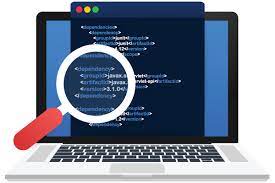
Source Code Analysis (SCA) is the process of examining and analyzing the source code of software systems for a thorough evaluation of their security, quality, and compliance with standards. It is an automated process of analyzing source codes to improve its quality, performance, and security. The primary focus of SCA is to identify potential vulnerabilities, bugs, and security risks that could be detrimental to the software’s performance, reliability, and stability.

Why is Source Code Analysis Important?

SCA is essential because with the increasing complexity of software applications, it is impossible to ensure software quality and security solely by manual testing. Without SCA, software systems are at risk of hacking, system instability, and mediocre performance. SCA enables software developers and security experts to identify, fix, and prevent vulnerabilities before they arise, resulting in the effective implementation of secure and reliable software systems.

Types of Source Code Analysis

There are two primary types of source code analysis:

1. Static Analysis:

Static analysis is a method of analyzing the source code without executing the code. It is done using automated tools that examine the code for potential defects and security risks, such as missing or incomplete code, security vulnerabilities, and memory leaks. Static analysis automates the testing process, which helps to reduce development costs, identify software defects before they arise, and, most importantly, reduce debugging and maintenance time.

2. Dynamic Analysis:

Dynamic analysis, on the other hand, is performed while the software is running. It involves the use of automated tools, which monitor the app’s behavior to detect any deviations from the intended behavior. The process is beneficial for detecting performance bottlenecks, memory leaks, and other errors that may only present themselves during runtime.

Benefits of Source Code Analysis

1. Detects Vulnerabilities:

Source code analysis is essential for assessing software system security, identifying potential vulnerabilities, and potential threats to the system. It provides an understanding of the code, which enables developers to write more secure code and prevent future security issues.

2. Improves Software Quality:

SCA helps developers identify and fix potential bugs and errors, resulting in a more efficient, higher-quality codebase. It provides developers with an opportunity to improve the user experience by addressing issues that might affect it.

3. Reduces Cost:

SCA automates the testing process, significantly reducing development costs, debugging time, and maintenance fees. It provides an efficient means of improving software quality and security, which reduces the overall cost of software development.

Previous Article

What is Solid-State Storage (SSS)?

Next Article

What is Source Code Escrow?

Matthew Lynch

Related articles More from author

  • Digital & Mobile Technology

    How Does a Mobile Network Work?

    June 12, 2023
    By Matthew Lynch
  • Digital & Mobile Technology

    Best Rechargeable Battery Chargers of 2023

    June 8, 2023
    By Matthew Lynch
  • Digital & Mobile Technology

    How to Upgrade to macOS Catalina

    September 7, 2023
    By Matthew Lynch
  • Digital & Mobile Technology

    How to Clean a Headphone Jack: 5 Methods

    June 8, 2023
    By Matthew Lynch
  • Digital & Mobile Technology

    KeySmart CleanLight Air Pro Review

    June 10, 2023
    By Matthew Lynch
  • Digital & Mobile Technology

    The Best (Free) CAD Software for Mac

    June 15, 2023
    By Matthew Lynch

Search

Login & Registration

  • Log in
  • Entries feed
  • Comments feed
  • WordPress.org

Newsletter

Signup for The Tech Edvocate Newsletter and have the latest in EdTech news and opinion delivered to your email address!

About Us

Since technology is not going anywhere and does more good than harm, adapting is the best course of action. That is where The Tech Edvocate comes in. We plan to cover the PreK-12 and Higher Education EdTech sectors and provide our readers with the latest news and opinion on the subject. From time to time, I will invite other voices to weigh in on important issues in EdTech. We hope to provide a well-rounded, multi-faceted look at the past, present, the future of EdTech in the US and internationally.

We started this journey back in June 2016, and we plan to continue it for many more years to come. I hope that you will join us in this discussion of the past, present and future of EdTech and lend your own insight to the issues that are discussed.

Newsletter

Signup for The Tech Edvocate Newsletter and have the latest in EdTech news and opinion delivered to your email address!

Contact Us

The Tech Edvocate
910 Goddin Street
Richmond, VA 23231
(601) 630-5238
[email protected]

Copyright © 2026 Matthew Lynch. All rights reserved.