The Tech Edvocate

Top Menu

  • Advertisement
  • Apps
  • Home Page
  • Home Page Five (No Sidebar)
  • Home Page Four
  • Home Page Three
  • Home Page Two
  • Home Tech2
  • Icons [No Sidebar]
  • Left Sidbear Page
  • Lynch Educational Consulting
  • My Account
  • My Speaking Page
  • Newsletter Sign Up Confirmation
  • Newsletter Unsubscription
  • Our Brands
  • Page Example
  • Privacy Policy
  • Protected Content
  • Register
  • Request a Product Review
  • Shop
  • Shortcodes Examples
  • Signup
  • Start Here
    • Governance
    • Careers
    • Contact Us
  • Terms and Conditions
  • The Edvocate
  • The Tech Edvocate Product Guide
  • Topics
  • Write For Us
  • Advertise

Main Menu

  • Start Here
    • Our Brands
    • Governance
      • Lynch Educational Consulting, LLC.
      • Dr. Lynch’s Personal Website
      • Careers
    • Write For Us
    • The Tech Edvocate Product Guide
    • Contact Us
    • Books
    • Edupedia
    • Post a Job
    • The Edvocate Podcast
    • Terms and Conditions
    • Privacy Policy
  • Topics
    • Assistive Technology
    • Child Development Tech
    • Early Childhood & K-12 EdTech
    • EdTech Futures
    • EdTech News
    • EdTech Policy & Reform
    • EdTech Startups & Businesses
    • Higher Education EdTech
    • Online Learning & eLearning
    • Parent & Family Tech
    • Personalized Learning
    • Product Reviews
  • Advertise
  • Tech Edvocate Awards
  • The Edvocate
  • Pedagogue
  • School Ratings

logo

The Tech Edvocate

  • Start Here
    • Our Brands
    • Governance
      • Lynch Educational Consulting, LLC.
      • Dr. Lynch’s Personal Website
        • My Speaking Page
      • Careers
    • Write For Us
    • The Tech Edvocate Product Guide
    • Contact Us
    • Books
    • Edupedia
    • Post a Job
    • The Edvocate Podcast
    • Terms and Conditions
    • Privacy Policy
  • Topics
    • Assistive Technology
    • Child Development Tech
    • Early Childhood & K-12 EdTech
    • EdTech Futures
    • EdTech News
    • EdTech Policy & Reform
    • EdTech Startups & Businesses
    • Higher Education EdTech
    • Online Learning & eLearning
    • Parent & Family Tech
    • Personalized Learning
    • Product Reviews
  • Advertise
  • Tech Edvocate Awards
  • The Edvocate
  • Pedagogue
  • School Ratings
  • Mind-Blowing: These Viral Amazon Products Are NOT What You Expect

  • Bizarre: AI-Generated Fake Health Influencers Are Invading Your Feed – Here’s How to Spot Them

  • Six Startups Launch IPOs in One Day: Is This India’s Most Audacious Bet Yet?

  • The Baffling Twitter Startup Name Change: Why ‘Bluebird’ Had to Die

  • The PlayStation Trump Tariff Refunds You Won’t Get: Why Sony’s Silence Is Infuriating Gamers

  • The White House ‘Arcade’ Scandal: Why the Tetris Controversy Is Just the Beginning

  • The Billion-Dollar Battle: Seattle Times’ AI Lawsuit Could Redefine Digital Rights

  • This OpenAI Pause Reveals a Disturbing Truth About AI’s Future

  • Stunning: Feds Quietly Erase Data on Gender-Based Bullying – What It Means for Vulnerable Students

  • The Raw Truth About the Colorado Student Walkout You Haven’t Heard

Digital & Mobile Technology
Home›Digital & Mobile Technology›What Is an ATM Jackpotting Attack and How Does It Work?

What Is an ATM Jackpotting Attack and How Does It Work?
By Matthew Lynch
June 12, 2023
0
Spread the love

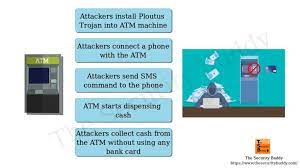
ATM jackpotting attacks are a new type of cybercrime that target automated teller machines (ATMs). In these types of attacks, hackers use a combination of software and hardware to steal cash directly from the machine, often in large amounts.

At the core of an ATM jackpotting attack is malware that is injected into the machine’s operating system. This malware allows the hacker to take over control of the ATM, giving them full access to the cash inside. They can then use a physical device, such as a laptop or mobile phone, to activate the malware and trigger the cash withdrawal process.

Typically, this type of attack requires the hacker to have physical access to the ATM. They may gain access by using a crowbar or other tool to pry open the machine’s casing, or they may simply install the malware via a USB port or network connection. Once the malware is installed, the ATM is essentially a “bot” that can be controlled remotely by the hacker.

To maximize their profit, hackers often target ATMs that are located in high-traffic areas, such as shopping centers or airports. They may also target machines that are located in isolated or poorly-lit areas, where they can carry out their attack without being detected.

One of the key factors behind ATM jackpotting attacks is the relatively low security of many ATM machines. Many older machines are not equipped with the kind of security measures that are necessary to prevent modern hacking techniques. For example, many machines do not encrypt data or use strong passwords, leaving them vulnerable to attack.

Some newer machines have been designed with more advanced security features, such as biometric authentication and tamper-resistant casings. However, even these machines can be vulnerable to attack if the hacker is skilled enough.

As ATM jackpotting attacks become more common, banks and ATM manufacturers are taking steps to improve the security of their machines. This includes deploying software updates and patches that are designed to prevent malware attacks, as well as improving physical security measures such as cameras and alarms.

Overall, ATM jackpotting attacks are a serious threat to the security of ATM machines and the people who use them. By understanding how these attacks work, individuals and organizations can take steps to protect themselves and minimize the risk of falling victim to this type of cybercrime.


Previous Article

How to Fix Common Zoom Problems and ...

Next Article

The Best Fantasy Football Apps

Matthew Lynch

Related articles More from author

  • Digital & Mobile Technology

    Stacked and Vertical Monitors Are Turning Into the Next Big Thing

    June 10, 2023
    By Matthew Lynch
  • Digital & Mobile Technology

    Why Are iPhones More Expensive Than Android Phones?

    June 23, 2023
    By Matthew Lynch
  • Digital & Mobile Technology

    What Is Facebook’s IP Address?

    June 10, 2023
    By Matthew Lynch
  • Digital & Mobile Technology

    How to Install the Ring Doorbell and Ring Doorbell 2

    July 24, 2023
    By Matthew Lynch
  • Digital & Mobile Technology

    How to Fix It When Bumble Is Not Working

    June 3, 2023
    By Matthew Lynch
  • Digital & Mobile Technology

    What Is Apple’s Neural Engine and How Does It Work?

    June 22, 2023
    By Matthew Lynch

Search

Login & Registration

  • Log in
  • Entries feed
  • Comments feed
  • WordPress.org

Newsletter

Signup for The Tech Edvocate Newsletter and have the latest in EdTech news and opinion delivered to your email address!

About Us

Since technology is not going anywhere and does more good than harm, adapting is the best course of action. That is where The Tech Edvocate comes in. We plan to cover the PreK-12 and Higher Education EdTech sectors and provide our readers with the latest news and opinion on the subject. From time to time, I will invite other voices to weigh in on important issues in EdTech. We hope to provide a well-rounded, multi-faceted look at the past, present, the future of EdTech in the US and internationally.

We started this journey back in June 2016, and we plan to continue it for many more years to come. I hope that you will join us in this discussion of the past, present and future of EdTech and lend your own insight to the issues that are discussed.

Newsletter

Signup for The Tech Edvocate Newsletter and have the latest in EdTech news and opinion delivered to your email address!

Contact Us

The Tech Edvocate
910 Goddin Street
Richmond, VA 23231
(601) 630-5238
[email protected]

Copyright © 2026 Matthew Lynch. All rights reserved.