Digital Economy Fragmentation: Thrive in Global Competition?
“`html
Understanding the Fragmentation of the Digital Economy
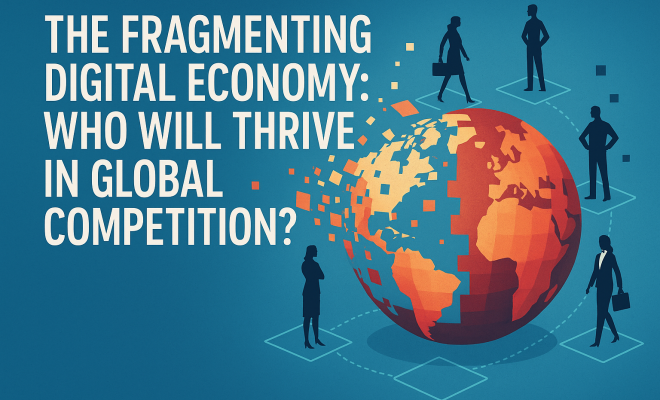
The digital economy is undergoing a significant transformation, marked by an increase in competition and fragmentation. This isn’t just a buzzword; it’s a profound shift impacting how countries interact, how businesses operate, and the job landscape worldwide. As nations grapple with the complexities of U.S.-China tech rivalry and the ramifications of artificial intelligence (AI), the structure of global trade and technological collaboration is being reshaped.
At the heart of this transformation lies the concept of digital economy competition. Fragmentation can be understood as the division of the digital landscape into distinct, competing blocs. This evolution stems from various geopolitical tensions and regulatory landscapes, compelling countries to rethink their strategies in the digital arena.
The Roots of Fragmentation
To fully grasp the current state of the digital economy, it’s vital to recognize the forces driving fragmentation. The rivalry between the U.S. and China stands out as a primary factor, with both nations vying for dominance in key technologies such as AI, telecommunications, and cybersecurity. In this contest, both countries are not only competing for economic supremacy but also for global ideological influence.
For instance, the ongoing tensions related to trade policies, tariffs, and technology bans have led to a decoupling of supply chains. The U.S. has placed restrictions on Huawei and other Chinese tech firms, while China has responded with its own set of regulations aiming to bolster homegrown technologies. This tit-for-tat scenario underscores a broader trend where nations are prioritizing self-sufficiency over interdependence, thus accelerating the fragmentation of the digital economy.
Geopolitical Factors Affecting Digital Economy Competition
Geopolitics plays a pivotal role in shaping the digital economy. Countries are increasingly recognizing that control over technology translates into power. The pivot towards a more protectionist outlook is evident globally, as nations impose regulations that favor domestic industries. This shift is particularly notable in sectors like AI, where regulatory frameworks often differ dramatically from one country to another.
The European Union, for example, is taking a robust stance on data privacy and digital regulations, which contrasts sharply with the more laissez-faire approach seen in the U.S. This divergence creates an environment where companies must adapt to varying compliance requirements, complicating international business operations. As a result, businesses are often forced to choose sides, aligning with regulatory frameworks that best suit their interests.
The Impact of AI on Global Competition
Artificial intelligence is at the forefront of this digital economy competition, acting as both a catalyst and a dividing line. The deployment and integration of AI technologies are uneven across different regions, leading to disparate economic outcomes. The countries that effectively harness AI capabilities are positioned to reap substantial benefits, while those lagging behind may find themselves at a significant disadvantage.
For instance, nations like the U.S. and China are investing heavily in AI research and development, with the aim of becoming leaders in this transformative technology. Companies like Google and Baidu are competing not only for market share but also for talent and innovation. Meanwhile, countries that are slower to adopt AI risk falling into a technological abyss, exacerbating existing inequalities.
The Role of Regulation in Shaping Competition
Regulatory frameworks are increasingly critical in determining the success or failure of businesses in the fragmented digital economy. As countries scramble to establish rules surrounding technology, data privacy, and cybersecurity, companies find themselves navigating a complex labyrinth of regulations. These frameworks differ widely, often leading to confusion and inefficiencies.
For example, the General Data Protection Regulation (GDPR) in Europe sets a high standard for data privacy, influencing how companies globally handle user information. In contrast, the U.S. lacks a comprehensive federal data privacy law, leaving states to implement their own regulations. This regulatory patchwork not only complicates compliance but also raises the stakes in the competition for digital dominance.
Industry Responses to Fragmentation
In response to the fragmentation of the digital economy, industries must adapt their strategies to thrive in this new landscape. Companies are increasingly adopting flexible business models that allow them to pivot based on changing regulatory environments and technological advancements. For instance, tech giants are investing in local data centers to comply with varied international laws, avoiding potential penalties and enhancing their competitive edge.
Moreover, businesses are forming alliances and partnerships across borders to share resources and knowledge. These collaborations not only help companies navigate regulatory challenges but also foster innovation. By pooling expertise, firms can develop solutions that are more robust and adaptable to the fragmented digital economy. (See: U.S.-China tech rivalry explained.)
Job Market Implications of a Fragmented Digital Economy
The fragmentation of the digital economy also has profound implications for the job market. As businesses pivot to meet the demands of a divided landscape, the types of skills that are in demand are changing. There’s a growing emphasis on technological proficiency, particularly in areas like AI and data analytics.
However, this shift is creating disparities. Workers in regions and sectors that are slow to adapt may face unemployment or underemployment, while those in tech-centric areas experience surges in job opportunities. Upskilling and reskilling initiatives become crucial, as governments and organizations strive to equip the workforce with the necessary tools to thrive in a competitive digital environment.
Global Power Dynamics and the Digital Economy
The evolving digital economy also reflects broader power dynamics on the global stage. Nations that can effectively leverage technology are likely to enhance their geopolitical standing, while those unable to do so may find themselves sidelined. For example, countries like Singapore and Estonia have embraced digital innovation, positioning themselves as leaders in the global digital economy.
This shift underscores the need for countries to not only focus on technology but also on creating an ecosystem that fosters innovation and entrepreneurship. By investing in education, infrastructure, and supportive policies, nations can enhance their competitiveness in the fragmented digital economy.
Future Trends in Digital Economy Competition
As we look to the future, several key trends are likely to shape the ongoing competition in the digital economy. First, the race for AI supremacy will continue to intensify, with nations vying for technological leadership. This competition will drive innovation, but it may also deepen divides between those leading in technological advancements and those falling behind.
Secondly, regulatory approaches will evolve, with countries learning from each other’s experiences. The digital economy is a global phenomenon, and as such, there will be a push for more harmonized regulations that create a level playing field for businesses worldwide. This evolution will be crucial in determining how effectively countries can compete on the global stage.
Understanding the Digital Divide
As digital economy competition grows, the digital divide becomes an increasingly pressing issue. This divide refers to the gap between individuals, businesses, and geographies that have access to modern information and communications technology (ICT) and those that do not. Countries that successfully bridge this gap are better positioned to thrive in the competitive digital economy.
For instance, nations like South Korea and Sweden have prioritized broadband infrastructure, ensuring that their populations are connected and can benefit from opportunities in the digital economy. In contrast, many developing nations struggle with inadequate infrastructure and limited access to technology. This situation not only hampers their economic growth but also limits their ability to compete on a global scale.
According to a report by the International Telecommunication Union (ITU), nearly 3.7 billion people remained unconnected to the internet as of 2021. This staggering number highlights the ongoing challenge of closing the digital divide. Addressing this issue requires coordinated efforts from governments, private sectors, and international organizations to invest in infrastructure and improve digital literacy.
Key Players in the Digital Economy Competition
In the context of the digital economy, several key players are influencing the competitive landscape. Tech giants, startups, governments, and regulatory bodies all play crucial roles, each with different motivations and strategies.
**Tech Giants:** Companies like Google, Amazon, and Alibaba are not just competitors in terms of market share; they are also shaping the rules of the game. Their capabilities in data handling, AI development, and cloud computing give them a significant advantage. As these companies expand and innovate, they also set trends that smaller players must follow.
**Startups:** On the other hand, startups can be more agile and innovative. They often lead in developing cutting-edge technologies and can disrupt established players. For example, firms focused on blockchain technology have the potential to change how transactions are conducted, challenging traditional financial institutions.
**Governments:** National policies and international relations significantly influence the digital economy competition landscape. Governments can either promote a thriving tech environment through funding and subsidies or create barriers through stringent regulations and protectionist measures. Countries that manage to balance regulation while encouraging innovation typically foster healthier competitive environments. (See: Understanding the U.S.-China tech competition.)
**Regulatory Bodies:** These play a vital role in ensuring fair competition. Their actions shape how companies operate and can give rise to new market dynamics. For instance, antitrust investigations into large tech companies can alter the competitive landscape by limiting their market power and encouraging new entrants.
Global Collaboration in the Digital Economy
While fragmentation seems to dominate the current landscape, there are also instances of global collaboration that can enhance competition in the digital economy. Initiatives such as the Global Digital Compact, proposed by the United Nations, aim to create a framework for cooperation. This endeavor seeks to address issues like digital governance, cybersecurity, and equitable access to technology.
Successful examples of collaboration can be seen in initiatives like the Open Government Partnership, which encourages transparency and accountability through technology. By sharing best practices and innovations, countries can collectively enhance their positions in the global digital economy.
Furthermore, multilateral organizations like the World Trade Organization (WTO) are working to establish rules that govern international trade in digital services. These efforts aim to eliminate barriers that hinder cross-border data flows, ensuring that businesses can operate effectively in a global marketplace.
Challenges to Collaboration in the Digital Economy
Despite the potential benefits of collaboration, several challenges persist. National security concerns often lead countries to prioritize protectionism over cooperation. This attitude can stifle innovation and limit the ability of businesses to operate internationally.
Additionally, cultural differences in data handling and privacy can create friction. For instance, the handling of personal data is approached very differently in Europe compared to the U.S. and Asia. These varying perspectives can complicate efforts to establish universal standards and regulations.
Lastly, the pace of technological advancement means that regulatory frameworks often lag behind innovation. Governments and organizations must remain nimble to keep up with rapid changes in technology, or risk falling behind in the race for digital economy leadership.
FAQ: Digital Economy Competition
What is digital economy competition?
Digital economy competition refers to the rivalry among countries and companies to leverage technology, data, and digital services to gain economic advantage. This competition encompasses various sectors, including AI, e-commerce, and telecommunications.
How does geopolitical tension influence digital economy competition?
Geopolitical tensions, particularly between major powers like the U.S. and China, shape the regulatory frameworks and market access for technology firms. These tensions can lead to protectionist policies and a fragmented digital landscape.
What role does regulation play in the digital economy?
Regulations in the digital economy establish the rules governing data privacy, security, and market competition. Different regulatory environments can create challenges for international businesses and shape the competitive landscape.
How can countries close the digital divide?
Countries can bridge the digital divide by investing in infrastructure, improving access to technology, and promoting digital literacy programs. Collaborative efforts from governments, non-profit organizations, and the private sector are essential to achieve this goal. (See: Impact of AI on global economy.)
What are the future trends in digital economy competition?
Future trends may include intensified competition for AI supremacy, evolving regulatory frameworks, and increased collaboration among countries to address global challenges. As the digital economy matures, new trends regarding data governance and cybersecurity will also emerge.
The Importance of Cybersecurity in Digital Economy Competition
As the digital economy expands, the importance of cybersecurity cannot be overstated. Cyber threats are evolving rapidly, and with more businesses and governments relying on digital infrastructure, the potential impact of cyberattacks is significant. Competitors in the digital economy must prioritize robust cybersecurity measures, not only to protect their assets but also to maintain consumer trust.
For example, high-profile data breaches have cost companies millions and damaged reputations. A 2022 report indicated that the average cost of a data breach globally was $4.35 million, emphasizing the financial risks involved. Companies that invest in comprehensive cybersecurity strategies are likely to outperform their competitors, not just in terms of compliance but in attracting clients who prioritize secure transactions.
How Innovation Fuels Digital Economy Competition
Innovation stands as a key driver within the framework of digital economy competition. Countries that encourage research and development tend to lead the charge in technological advancements. For instance, Israel has gained recognition as a tech innovation hub due to its significant investment in startups and R&D initiatives. This focus on innovation leads to the development of new technologies, products, and services that can enhance productivity and competitiveness.
Statistics show that nations investing heavily in innovation see a greater return in economic performance. According to a 2023 report by the World Economic Forum, countries in the top tier of innovation (such as Switzerland, the U.S., and Sweden) consistently exhibit higher GDP growth rates compared to their lower-tier counterparts. This speaks volumes about the correlation between innovation investment and economic strength in the context of digital economy competition.
Real-World Examples of Digital Economy Competition
Real-world cases vividly illustrate the dynamics of digital economy competition. The race between the U.S. and China for 5G technology is a prime example. Huawei, a leading Chinese firm, has positioned itself ahead in 5G technology development, prompting the U.S. to push back through sanctions and investment in domestic alternatives. This competition illustrates not just a battle for market share but also for technological dominance, which has implications for national security and economic strategy.
Another noteworthy example is the competition between ride-hailing services like Uber and local players like Didi in China. While Uber initially sought to capture the Chinese market, Didi’s deep understanding of local regulations and consumer preferences allowed it to dominate. This showcases how local knowledge can be a significant advantage in the fragmented digital economy, influencing competition on a global scale.
Conclusion: Navigating the Future of Digital Economy Competition
In conclusion, the fragmentation of the digital economy presents both challenges and opportunities. As nations navigate the complexities of geopolitical tensions, regulatory landscapes, and technological advancements, the stakes are high. Understanding the dynamics of digital economy competition is essential for businesses, workers, and policymakers alike. The future will belong to those who can adapt to this changing environment, as the balance of power shifts in this new digital age.
“`
Trending Now
- Why DIY Men’s Deodorant Recipes Are Winning Hearts (and Searches) Over Brand Names
- this guide on how charles schwab market analysis can help you navigate today’s economic challenges
- this guide on how ai keyword research 2026 will transform your seo strategy forever
- read the full story
Frequently Asked Questions
What is the fragmentation of the digital economy?
The fragmentation of the digital economy refers to the division of the digital landscape into competing blocs, driven by geopolitical tensions and regulatory changes. This transformation affects how countries interact, businesses operate, and the global job market is shaped.
How does the U.S.-China rivalry impact the digital economy?
The U.S.-China rivalry significantly affects the digital economy by creating competition in key technologies like AI and telecommunications. This rivalry has led to trade policies and technology bans that decouple supply chains, fostering fragmentation and prioritizing national self-sufficiency.
What are the main drivers of digital economy competition?
The main drivers of digital economy competition include geopolitical tensions, regulatory landscapes, and the race for technological dominance. The U.S. and China are at the forefront, competing for influence in critical areas such as AI, cybersecurity, and telecommunications.
What role do regulations play in the digital economy?
Regulations play a crucial role in shaping the digital economy by influencing how companies operate and compete. Countries are implementing policies to support homegrown technologies and protect their digital infrastructure, which contributes to the fragmentation of the global digital landscape.
How is the digital economy affecting global trade?
The digital economy is reshaping global trade by creating distinct blocs that prioritize self-sufficiency. As nations respond to geopolitical tensions with protectionist measures, the interconnectedness of global trade is challenged, leading to a more fragmented economic environment.
Agree or disagree? Drop a comment and tell us what you think.