Google Gemini Quadruples Market Share as ChatGPT Falls (2026)
Introduction: The AI Landscape Transformation
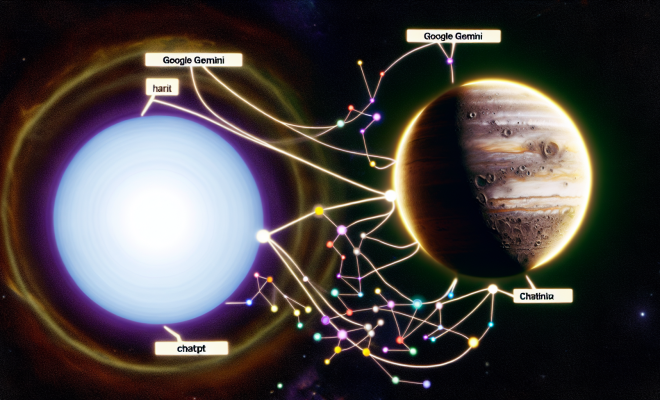
The artificial intelligence (AI) assistant sector has witnessed unprecedented shifts between early 2025 and May 2026, resulting in a dramatic reconfiguration of market shares. In this tumultuous environment, Google Gemini has made remarkable strides, quadrupling its market presence while ChatGPT has seen its dominance erode from a staggering 86% to a mere 45%. This seismic shift in popularity has not only disrupted the narrative surrounding ChatGPT’s alleged invincibility but also raised vital questions regarding the future of AI, user preferences, and the competitive landscape.
The Rise of Google Gemini
Google Gemini’s ascent in the AI assistant market can be attributed to several key factors:
- Enhanced Functionality: Google Gemini has integrated advanced features that appeal to a broader audience. This includes multi-modal capabilities, allowing it to process text, voice, and visual inputs seamlessly.
- User-Centric Design: The platform has focused heavily on providing a user-friendly experience, ensuring that both tech-savvy users and novices find the interface intuitive and accessible.
- Integration with Google Services: By leveraging its existing ecosystem of products and services, Google has been able to offer a more cohesive experience, keeping users within its platform.
- Continuous Development: Frequent updates and enhancements based on user feedback have positioned Google Gemini as a responsive and evolving tool.
The Decline of ChatGPT
On the other hand, ChatGPT’s decline in market share can be attributed to various factors:
- Increased Competition: As new players like Google Gemini entered the scene, ChatGPT faced challenges from various fronts, leading to a decline in its user base.
- Stagnation in Features: Users began to notice a lack of innovation in ChatGPT compared to its competitors, leading to dissatisfaction among its loyal users.
- Fragmentation of User Preferences: A growing number of users have started to adopt multiple AI applications, recognizing that reliance on a single platform limits their access to cutting-edge features.
- Concerns Over Data Privacy: Some users have raised concerns about data privacy with OpenAI, prompting them to seek alternatives that promise better security.
The Trend Towards Multi-Application Use
The AI market is not only experiencing a shift in the dominance of specific platforms but also in user behavior. Approximately 20% of users are now employing multiple AI applications for their various needs. This trend underscores a significant shift in how consumers interact with technology:
- Diverse Needs: As users’ needs become more complex, they are opting for specialized tools that cater to specific tasks rather than relying on a single platform.
- Increased Functionality: By using multiple applications, users can take advantage of the unique strengths each platform offers, thereby enhancing their productivity.
- Healthier Competition: The fragmentation of the market encourages competition, ultimately benefiting users through continuous innovation and improvement.
The Emotional Resonance of the AI Wars
The rapid changes within the AI assistant landscape have sparked significant emotional responses among tech workers, investors, and AI enthusiasts:
- Tech Workers: Many in the tech industry find the competition invigorating, as it fosters innovation and creativity. However, there is also a palpable anxiety regarding job security as companies strive to integrate AI into their workflows.
- Investors: The fluctuating market share has led to intense scrutiny from investors who are keen to understand which platforms will ultimately succeed. This has fostered a climate of urgency as stakeholders attempt to identify the next big player in AI.
- AI Enthusiasts: For those passionate about technology, the changing dynamics present a thrilling narrative. The battle for market supremacy between Google Gemini and ChatGPT has become a subject of discussion and prediction among communities.
Understanding the Implications of Market Shifts
The implications of the shifting dominance between Google Gemini and ChatGPT extend far beyond mere market shares:
- Market Consolidation vs. Fragmentation: The rise of multiple AI platforms suggests a move away from market consolidation, leading to a more diverse ecosystem where users can choose tools that best meet their needs.
- Innovation Pressure: As platforms vie for users’ attention, the pressure to innovate is heightened. This could lead to groundbreaking advancements in AI technology.
- Shifts in User Engagement: The future of AI engagement will likely see users favoring platforms that prioritize ethical practices, transparency, and user experience.
What Lies Ahead: The Future of AI Assistants
The future of AI assistants appears to be ripe with potential and uncertainty. As we analyze the ongoing battle between Google Gemini vs ChatGPT, several key trends emerge:
- Increased Personalization: AI tools are likely to become more personalized, learning user preferences and adapting to individual needs.
- Integration of Advanced Technologies: The incorporation of technologies such as blockchain for data security may become standard as privacy concerns grow.
- New Entrants in the Market: The success of Google Gemini may encourage new startups and established companies to enter the AI space, further diversifying the options available to consumers.
- Ethical Considerations: As AI tools become increasingly powerful, discussions around ethical AI usage will gain importance, influencing how platforms develop and engage with their users.
Conclusion: The New Era of AI
The battle between Google Gemini and ChatGPT has reshaped the AI assistant landscape in ways that few could have anticipated. With Google Gemini now claiming a significant portion of the market and ChatGPT facing unprecedented challenges, the dynamics of AI technology are shifting toward a more competitive and fragmented environment. As users begin to embrace a multi-application approach, we can expect to see a flourishing ecosystem that encourages innovation and prioritizes user needs, ultimately benefiting the future of artificial intelligence development.