Warning: This Record Debt Bomb Could Shatter Your Savings
You don’t need a crystal ball to feel it, do you? That gnawing sensation that things aren’t quite right economically. It’s in the rising cost of your weekly groceries, the steeper gas prices, and the monthly statements that seem to stretch your budget thinner than ever before. This isn’t just a feeling; it’s the lived reality of intensifying global economic uncertainty, driven by a potent cocktail of accelerating inflation and government debt scaling heights we’ve never seen.
For months, central banks and economists have been trying to soothe fears, but the data tells a starker story. We’re witnessing a period where the economic currents are converging in ways that demand serious attention from consumers, investors, and policymakers alike. Forget the abstract numbers for a moment; this is about your purchasing power, your financial future, and the stability of the system we all rely on. The question isn’t whether things are getting tougher, but how much tougher they’ll get, and what steps we can take to brace for impact.
The Inflationary Inferno: Why Your Money Buys Less
Let’s start with the most immediate and tangible pain point for most people: inflation. It’s the silent thief, eroding the value of your hard-earned money day by day. We’ve seen it creep up, then sprint, in economies worldwide. Take the UK, for example. In June, inflation accelerated to a blistering 5%. Now, 5% might not sound like a catastrophe if you’re comparing it to hyperinflationary episodes in history, but consider this: for the average person, a 5% increase in the cost of living means that if you needed £100 last year to buy your essentials, you now need £105 just to maintain the same standard of living. Your wages, for many, simply aren’t keeping pace.
This isn’t an isolated incident or a one-off blip. June marked the second consecutive month that inflation in the UK breached its target ranges, reinforcing the growing expectation that central banks will have little choice but to raise interest rates further. And when central banks hike rates, it means borrowing becomes more expensive – from mortgages to car loans to business investments. It’s a delicate balancing act: rein in inflation, but risk slowing economic growth, potentially even triggering a recession. It’s a lose-lose scenario for many, caught between the rock of rising prices and the hard place of higher borrowing costs.
What’s Fueling This Price Surge?
So, where’s all this inflationary pressure coming from? It’s not just one thing, but a confluence of factors. The source material points to several key culprits: sharp increases in transport costs, housing utilities, and insurance prices. Think about it: gas prices have been volatile, impacting everything from your daily commute to the cost of shipping goods. Utility bills have soared, a direct hit to household budgets already under strain. And insurance premiums? Whether it’s for your car, home, or health, they’ve been on an upward trajectory, adding another layer of financial stress.
These aren’t discretionary expenses we’re talking about; these are fundamental costs of living. When the prices of necessities jump, it disproportionately affects lower-income households, who spend a larger percentage of their income on these core items. It’s a regressive tax, making the rich relatively richer and the poor relatively poorer. The ripple effect is profound, impacting consumer confidence and spending patterns, which are vital for a healthy economy.
The Looming Debt Bomb: A Record-High Burden
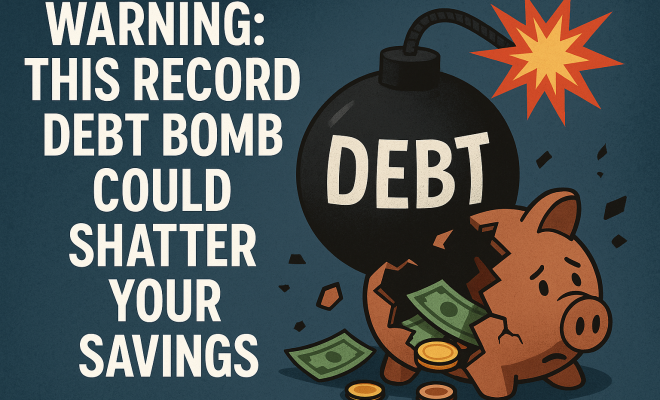
As if accelerating inflation wasn’t enough, we’re also staring down the barrel of a global debt crisis that makes previous concerns seem quaint. Fitch Ratings, a major credit rating agency, projects that global developed market debt will hit a staggering $75.8 trillion by the end of 2026. Let that number sink in for a moment: $75.8 trillion. It’s an almost incomprehensibly large figure, representing the cumulative borrowing of nations like the United States, Japan, and European Union members.
This isn’t just abstract government accounting; it has very real implications for you and me. High levels of government debt mean a larger portion of national budgets must be allocated to servicing that debt – paying interest to bondholders – rather than investing in public services, infrastructure, education, or healthcare. It’s a massive drag on future economic growth and limits a government’s flexibility to respond to future crises. We’re essentially borrowing from tomorrow to pay for today, and the bill is getting bigger and bigger.
Persistent Fiscal Deficits and Geopolitical Risks
Why are governments accumulating so much debt? The reasons are complex, but persistent fiscal deficits play a huge role. Many countries consistently spend more than they take in through taxes, leading to a perennial need to borrow. The COVID-19 pandemic certainly exacerbated this, as governments worldwide injected massive stimulus to keep economies afloat, but the trend predates the pandemic. (See: CDC on inflation and economic impact.)
Beyond domestic spending, geopolitical risks are also a significant factor. Conflicts, trade wars, and the need for increased defense spending in a more uncertain world all contribute to higher government outlays. Think about the costs associated with supporting allies, maintaining military readiness, or even rerouting supply chains due to international tensions. These aren’t cheap endeavors, and they often lead to more borrowing. This combination of factors creates a precarious situation, where the ability of governments to manage their debt is increasingly scrutinized, and the risk of sovereign debt crises becomes a very real concern for global economic uncertainty.
El Niño’s Ominous Warning: Another Inflationary Shock?
Just when you thought the economic outlook couldn’t get any more complicated, nature throws another curveball. Deutsche Bank, a respected financial institution, has issued a stark warning: a record El Niño phenomenon is poised to cause another significant inflationary shock to the global economy. For those unfamiliar, El Niño is a climate pattern that describes the unusual warming of surface waters in the eastern tropical Pacific Ocean. It can have far-reaching effects on weather patterns worldwide, leading to droughts in some regions and heavy rainfall and flooding in others.
Why does this matter for your wallet? Because extreme weather events directly impact agricultural output. Droughts can decimate crops, leading to food shortages and higher prices for staple goods. Flooding can destroy infrastructure, disrupt supply chains, and also impact agricultural yields. When you combine these supply-side shocks with already elevated inflation, you’ve got a recipe for even higher living costs. We saw glimpses of this in past El Niño events, but the current one is projected to be particularly severe, raising alarms about its potential economic fallout.
Beyond Food Prices: The Broader Impact of Climate on the Economy
The impact of El Niño isn’t limited to food prices, though that’s a significant concern, especially for lower-income households globally. Disruptions to water availability can affect industrial processes and energy production, particularly for hydroelectric power. Extreme heat can reduce labor productivity and increase energy demand for cooling. Supply chain bottlenecks, already a persistent problem in recent years, could worsen if key transportation routes are affected by severe weather.
Consider the interconnectedness of our global economy. A drought in one major agricultural region can send shockwaves through international commodity markets. Flooding in a key manufacturing hub can delay shipments of essential components. These aren’t isolated incidents; they’re systemic risks that add another layer of complexity to managing global economic uncertainty. It’s a stark reminder that our economic stability is intertwined with environmental stability, and climate change is no longer just an environmental issue, but a critical economic one.
Central Banks in a Tight Spot: The Interest Rate Dilemma
With inflation accelerating and debt levels soaring, central banks find themselves in an unenviable position. Their primary mandate is often price stability – keeping inflation at a manageable level, typically around 2%. But achieving this goal in the current environment is incredibly challenging. Raising interest rates is the traditional tool to combat inflation: it makes borrowing more expensive, which theoretically cools demand and brings prices down. However, there’s a significant risk involved.
Aggressive rate hikes can stifle economic growth, potentially pushing economies into recession. Businesses might postpone investments, job creation could slow, and consumers might cut back on spending. Furthermore, higher interest rates make it more expensive for governments to service their colossal debts, potentially creating a feedback loop where rising debt costs put even more pressure on national budgets. It’s a delicate dance, and central bankers are walking a tightrope, trying to tame inflation without crashing the economy. Their decisions over the next few months will have profound implications for everyone’s financial well-being.
The Global Domino Effect of Monetary Policy
Monetary policy decisions aren’t made in a vacuum. When a major central bank, like the US Federal Reserve or the European Central Bank, raises rates, it can have a global domino effect. Capital tends to flow towards countries with higher interest rates, strengthening their currency but potentially weakening others. This can make imports more expensive for countries with weaker currencies, adding to their inflationary pressures.
Emerging markets, in particular, can be vulnerable. If they have significant dollar-denominated debt, a stronger dollar makes that debt more expensive to repay in their local currency. This can lead to capital flight, currency crises, and even sovereign defaults in the worst-case scenarios. The interconnectedness of global finance means that rate hikes in one part of the world can create turbulence in another, amplifying the overall sense of global economic uncertainty.
The Direct Impact on Your Personal Finances
Let’s bring this all back to what truly matters to you: your personal finances. The combination of rising living costs, potential interest rate hikes, and escalating national debt isn’t just fodder for economic headlines; it’s a direct assault on your wallet. Higher inflation means your savings lose value more quickly. That £1,000 you have in a savings account today will have less purchasing power next year, unless your interest rate significantly outpaces inflation – which, for most standard savings accounts, it won’t. (See: BBC report on rising inflation.)
If you have a variable-rate mortgage or other floating-rate debt, interest rate hikes will translate directly into higher monthly payments. This can squeeze household budgets already stretched by rising food and energy costs. For those looking to buy a home, higher mortgage rates mean less affordability, potentially pricing many out of the market. And for investors, navigating this environment requires a careful re-evaluation of portfolios, as traditional safe havens might not offer the same protection they once did.
Strategies for Navigating the Storm
So, what can you do? While you can’t control global economic forces, you can take steps to shore up your personal finances. Firstly, focus on budgeting and expense management. Understand where your money is going and identify areas where you can cut back. Secondly, prioritize paying down high-interest debt, especially any variable-rate loans that will become more expensive as rates rise. Thirdly, look for ways to increase your income, whether through a side hustle, negotiating a raise, or investing in skills that are in demand.
For savings, explore options that offer inflation-beating returns, though these often come with higher risk. Diversifying investments across different asset classes and geographies can also help mitigate risk. And perhaps most importantly, maintain an emergency fund. In times of global economic uncertainty, having a cash buffer for unexpected expenses or job loss is more crucial than ever. The goal is resilience, to weather the storm as best you can.
Massive Public and Media Attention: Why Everyone’s Talking About It
It’s no surprise that this confluence of economic challenges is generating massive public and media attention. Walk into any coffee shop, scroll through social media, or listen to the news, and you’ll hear discussions about the cost of living, interest rates, and the future of the economy. This isn’t abstract economic theory; it’s directly impacting people’s ability to afford their lives, plan for retirement, or even just enjoy a modest lifestyle.
The media plays a crucial role in shaping public understanding and sentiment. When reports from reputable institutions like Fitch Ratings and Deutsche Bank warn of record debt and impending inflationary shocks, it rightly garners significant coverage. These aren’t niche financial stories; they are front-page news because they touch on the fundamental well-being of societies. The public senses the shift, feels the pinch, and is hungry for explanations and solutions, or at least strategies for coping.
The Political Ramifications of Economic Discontent
Beyond personal finances, the economic situation has profound political ramifications. High inflation and a struggling economy often lead to public discontent, which can manifest in political instability. Governments that fail to address rising living costs effectively can face significant backlash from voters. We’ve seen this play out in various countries, with shifts in political power often linked to economic performance.
The pressure on policymakers to find solutions is immense. But as we’ve discussed, the solutions are rarely simple or painless. They often involve trade-offs that can be politically unpopular. This creates a challenging environment for governance, where short-term political expediency can sometimes clash with long-term economic necessity. The global economic uncertainty we face isn’t just an economic problem; it’s a societal and political one, testing the resilience of institutions and the patience of populations.
The Interconnectedness of Global Markets
One of the defining characteristics of our modern economy is its profound interconnectedness. What happens in one corner of the world rarely stays there. A factory shutdown in Asia due to COVID-19 lockdowns can lead to semiconductor shortages globally, impacting car production in Europe and appliance manufacturing in America. A conflict in Eastern Europe can send energy prices skyrocketing worldwide. A record El Niño affecting agriculture in South America can drive up food prices in Africa and Asia.
This interconnectedness means that no single country or economy is immune to the pressures building up across the globe. The rising tide of global economic uncertainty lifts all boats of concern. It means that solutions often require international cooperation, coordination among central banks, and a shared understanding of the systemic risks we face. Unilateral actions, while sometimes necessary, can also create unintended consequences elsewhere. (See: NY Times analysis of UK inflation.)
Navigating a World Without Borders
For businesses, this interconnectedness presents both opportunities and challenges. On one hand, global markets offer vast potential for growth and diversification. On the other, they expose companies to a wider array of risks, from supply chain disruptions and currency fluctuations to geopolitical tensions and varying regulatory environments. Companies with diversified supply chains and robust risk management strategies are better positioned to weather these storms.
For investors, it means looking beyond domestic markets and understanding how global events can impact their portfolios. Diversification across different countries and asset classes becomes even more critical. The days of simply investing in your home market and hoping for the best are long gone. A truly global perspective is essential for navigating the complexities of modern financial markets, especially in times of heightened global economic uncertainty.
Looking Ahead: What Lies Beyond the Horizon?
So, what does the future hold? Predicting the economy is notoriously difficult, but we can identify trends and potential scenarios. The immediate future suggests continued inflationary pressures, potentially exacerbated by climate events and ongoing supply chain issues. Central banks will likely remain in a reactive mode, tightening monetary policy to combat inflation, with the ever-present risk of over-tightening and triggering a recession.
The challenge of government debt will only grow. Without significant fiscal reforms – either through spending cuts or tax increases – the debt burden will continue to mount, making future economic responses more difficult. Geopolitical tensions are unlikely to abate quickly, adding another layer of risk and uncertainty to global trade and investment.
Building Resilience for the Long Term
Ultimately, the current period of global economic uncertainty is a wake-up call. It’s a reminder that economic stability isn’t a given, and that external shocks can have profound and lasting impacts. For individuals, it reinforces the need for financial prudence, adaptability, and a proactive approach to managing personal wealth. For businesses, it underscores the importance of resilient supply chains, diversified markets, and robust risk management.
And for policymakers, it’s a stark reminder of the urgent need for coordinated action to address systemic issues like inflation, national debt, and climate change. The challenges are formidable, no doubt. But by understanding the forces at play and taking proactive steps, both individually and collectively, we can hopefully navigate these turbulent waters and emerge on the other side with greater resilience and a more stable economic future. It won’t be easy, but ignoring the signals now would be far more perilous.
Trending Now
Frequently Asked Questions
What is causing the current inflation crisis?
The current inflation crisis is driven by various factors, including supply chain disruptions, increased demand post-pandemic, and rising government debt. These elements combine to create an economic environment where prices are escalating, diminishing the purchasing power of consumers.
How does inflation affect my savings?
Inflation erodes the value of your savings by reducing what your money can buy over time. If inflation is higher than the interest rate on your savings account, the real value of your savings decreases, meaning you can afford less in the future.
What steps can I take to protect my finances from inflation?
To protect your finances from inflation, consider diversifying your investments, exploring inflation-protected securities, and adjusting your budget to prioritize essential expenses. Staying informed about economic trends can also help you make proactive financial decisions.
Is government debt a concern for the economy?
Yes, rising government debt can be a significant concern as it may lead to higher taxes, reduced public services, and increased inflation. If not managed properly, it can create instability in the economy and affect consumer confidence.
How can I prepare for economic uncertainty?
To prepare for economic uncertainty, build an emergency fund, reduce unnecessary expenses, and consider diversifying your investments. Staying informed about economic developments and adjusting your financial strategies accordingly can also help you navigate potential challenges.
Have you experienced this yourself? We'd love to hear your story in the comments.