Unprofessional? Why Your Iced Coffee Habit Could Be Killing Your Job Prospects
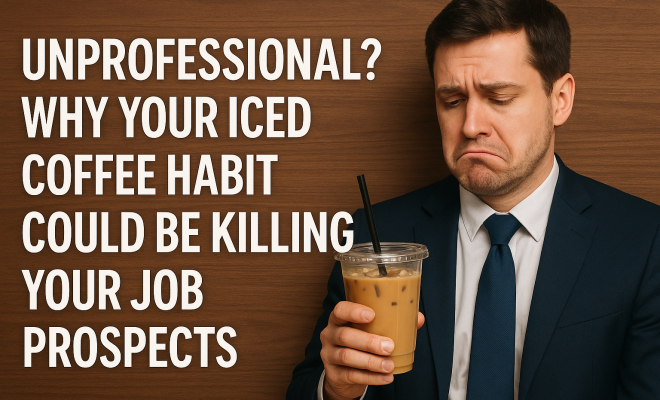
It started, as so many things do these days, with a TikTok video. A corporate recruiter, Caitlin Wehniainen, dropped a seemingly innocent piece of advice that quickly became a digital wildfire, igniting a fierce debate across social media platforms. Her take? Bringing an iced coffee into a job interview might just be signaling to your potential employer that you’re a little too casual, as if the interview is merely a pit stop in your day, not a significant professional milestone. This seemingly minor detail has, perhaps unexpectedly, become a flashpoint in the ongoing conversation about Gen Z workplace trends and the ever-shifting sands of professional etiquette.
Wehniainen, who brings a solid 16 years of recruiting experience to the table, wasn’t just idly musing. Her perspective comes from observing countless candidates and understanding the subtle cues that can shape a hiring manager’s perception. While many might scoff, dismissing it as an outdated, boomer-era hang-up, the sheer volume of discussion her video generated tells us something important: there’s a real generational chasm in how we perceive professionalism, and little things, like a cup of iced coffee, are often the battlegrounds.
The Iced Coffee Incident: A Microcosm of Macro Trends
Let’s be honest, who hasn’t grabbed a coffee before an important meeting or interview? For many, it’s a comforting ritual, a necessary jolt, or simply a way to manage pre-interview jitters. But Wehniainen’s point wasn’t about the caffeine itself. It was about the optics. She suggested that a cold drink, particularly one with a visible logo from a popular chain, can project an image of nonchalance, of someone who might not be taking the situation with the gravity it deserves. It’s not necessarily about the drink being inherently ‘bad,’ but rather the subconscious message it might send.
This isn’t an isolated incident; it’s a perfect illustration of the broader tension between traditional workplace expectations and the evolving attitudes of younger generations, particularly Gen Z. These digital natives, who grew up with unprecedented access to information and a more fluid understanding of work-life boundaries, often challenge norms that older generations consider sacrosanct. The iced coffee debate, then, becomes a proxy for larger discussions about dress codes, communication styles, work-life balance expectations, and the very definition of ‘professionalism’ in the modern era.
Gen Z’s Evolving Definition of Professionalism
For Gen Z, authenticity often trumps formality. They value transparency, directness, and a sense of genuine connection. The idea that a beverage could undermine their qualifications or perceived seriousness feels, to many, arbitrary and even unfair. They might argue that their ability to perform the job, their skills, and their experience should be the sole focus, not whether they chose a hot latte or a cold brew. This generation has grown up in a world where personal branding and professional life often intertwine on platforms like LinkedIn and even TikTok itself, blurring the lines between the personal and the professional in ways previous generations never experienced.
Consider the broader context: Gen Z entered the workforce during a period of significant upheaval. The pandemic accelerated trends like remote work, flexible hours, and a greater emphasis on well-being. This has inherently reshaped their expectations of what a workplace should look like and how professionals should interact. They often seek employers who prioritize mental health, offer meaningful work, and allow for a degree of personal expression. In their view, a company that would disqualify them over an iced coffee might be signaling a rigid, outdated culture that they want no part of.
The Recruiter’s Perspective: Reading Between the Lines
So, why would an experienced recruiter like Caitlin Wehniainen even bring this up? It’s not because she’s personally offended by caffeine. It’s because recruiters and hiring managers are often trained to look for subtle cues. In an interview setting, where every candidate is putting their best foot forward, these small details can sometimes differentiate one otherwise qualified individual from another. It’s about perception, and unfortunately, perceptions can be subjective and deeply rooted in generational norms.
From a recruiter’s vantage point, an iced coffee might not be a deal-breaker on its own. But it could contribute to an overall impression that a candidate lacks attention to detail, struggles with professional judgment, or simply doesn’t understand the gravity of the situation. Imagine a candidate walking in with a large, branded cup, perhaps even sipping from it during the initial moments. While harmless to some, to others, it might suggest a lack of preparedness or an underlying casualness that could extend to their work ethic. It’s about minimizing any potential negative signal, however small, when the stakes are high.
Bridging the Generational Divide: A Two-Way Street
This debate isn’t just about Gen Z workplace trends; it’s a call for understanding on both sides. Older generations in leadership roles need to recognize that the definition of professionalism is evolving. What was considered strictly formal 20 or 30 years ago might now be seen as stuffy or inauthentic. They need to assess whether their unwritten rules are truly indicative of a candidate’s potential or merely reflections of their own comfort zones.
Conversely, Gen Z candidates could benefit from understanding the existing landscape and adapting where necessary. While advocating for authenticity is crucial, there’s also wisdom in recognizing that interviews are performative by nature. They are opportunities to make a strong first impression, and sometimes that means adhering to certain conventions, even if they feel arbitrary. It’s about strategic presentation, not necessarily sacrificing one’s core values. This doesn’t mean changing who you are, but rather understanding how your actions might be perceived and making conscious choices. (See: coffee habits and workplace culture.)
Practical Advice for Job Seekers (and Hiring Managers)
For job seekers, especially those from Gen Z navigating these evolving expectations, a pragmatic approach is often best. If you absolutely need that caffeine fix, consider consuming it before you enter the building. If you must bring a drink, opt for something neutral and discreet, like a bottle of water, which can even be seen as a thoughtful gesture for staying hydrated during a potentially stressful experience. The goal is to eliminate any potential distraction or perceived misstep, allowing your skills and personality to shine through without any extraneous noise.
For hiring managers and seasoned professionals, the advice is to critically examine your own biases. Are you truly evaluating a candidate’s competence, or are you allowing minor details, like an iced coffee, to cloud your judgment? It’s essential to differentiate between superficial signals and actual indicators of performance, potential, and cultural fit. Perhaps a quick internal discussion about what ‘professionalism’ truly means for your organization in 2024 is overdue. Is it about rigid adherence to old norms, or is it about respect, competence, and a commitment to the job?
The Role of Authenticity vs. Conformity in Gen Z Workplace Trends
The core of this debate often boils down to authenticity versus conformity. Gen Z, more than previous generations, values authenticity. They want to bring their whole selves to work, and they expect workplaces to be inclusive of diverse personalities and styles. This is a positive development, pushing companies to create more human-centric environments.
However, there’s a delicate balance. While authenticity is laudable, an interview is still a formal assessment. It’s a stage where you present the best version of your professional self. This doesn’t mean being inauthentic, but rather being strategic about how you present that authenticity within a specific context. It’s about understanding the unspoken rules of the game, even as you work to change them from within. Think of it as knowing when to wear a suit and when to wear smart casual; both are authentic expressions of you, but appropriate for different situations.
Beyond Beverages: Other Gen Z Workplace Trends and Perceptual Gaps
The iced coffee controversy is just one symptom of a larger phenomenon concerning Gen Z workplace trends. We see similar debates around:
- Communication Styles: Gen Z often prefers direct, concise communication, often via digital channels. Older generations might expect more formal emails or face-to-face interactions.
- Work-Life Balance: This generation is vocal about the importance of mental health and personal time, often challenging the ‘always-on’ culture prevalent in some industries.
- Feedback and Growth: They crave regular, constructive feedback and opportunities for rapid skill development, sometimes perceiving traditional annual reviews as insufficient.
- Purpose and Values: Gen Z is highly motivated by working for companies with strong ethical stances and a clear social purpose, often prioritizing this over purely financial incentives.
Each of these areas presents potential friction points and opportunities for misunderstanding if not addressed openly. The key is open dialogue and a willingness on both sides to learn and adapt.
The Future of Professionalism: A Hybrid Approach
Ultimately, the definition of professionalism isn’t static; it’s a living, breathing concept that evolves with society. What was acceptable in the 1950s is certainly not today, and what’s standard today will likely shift in another decade or two. The current wave of Gen Z workplace trends is forcing a necessary re-evaluation.
The future of professionalism will likely be a hybrid model. It will retain core elements like respect, reliability, and competence, but it will also embrace flexibility, authenticity, and a greater understanding of individual needs and expressions. Companies that can strike this balance – valuing the unique contributions of Gen Z while maintaining a sense of appropriate decorum for key professional interactions – will be the ones that attract and retain top talent. It’s not about throwing out all traditions, nor is it about blindly adopting every new trend. It’s about intelligent adaptation, recognizing what truly matters for effective collaboration and what simply reflects outdated norms.
The Economic and Social Underpinnings of Gen Z’s Workplace Demands
It’s too simplistic to attribute Gen Z’s workplace trends solely to their digital upbringing or a desire for “authenticity” in a vacuum. Their perspectives are also deeply shaped by the economic and social realities they’ve inherited. This generation has witnessed multiple economic downturns, an increasingly competitive job market, and rising costs of living. They’ve seen older generations struggle with burnout and job insecurity despite adhering to traditional career paths.
This context fuels their demand for work-life balance, not as a luxury, but as a necessity for well-being and long-term sustainability. They’re wary of the “hustle culture” that glorified endless hours, seeing it often lead to exhaustion and mental health crises without guaranteed upward mobility. Furthermore, Gen Z is the most diverse generation yet, growing up acutely aware of social justice issues and systemic inequalities. This translates into a strong desire for inclusive workplaces, equitable pay, and employers who actively contribute positively to society. They’re less likely to tolerate performative diversity initiatives and expect genuine commitment to ethical practices. Understanding these deeper drivers helps explain why their “demands” aren’t just preferences, but often principled stances.
The Impact of Technology on Gen Z’s Work Style
Gen Z didn’t just grow up with technology; they are intrinsically integrated with it. This shapes not only their communication preferences but also their approach to problem-solving, learning, and collaboration. They are adept at finding information quickly, leveraging digital tools for efficiency, and often prefer asynchronous communication (like Slack messages or project management tools) over constant meetings.
This can sometimes clash with older workplace norms that emphasize face-to-face meetings, rigid email protocols, or printed documentation. For Gen Z, a quick text or a shared document with real-time editing capabilities might be far more efficient than a formal meeting or a lengthy email chain. This isn’t laziness; it’s a different paradigm of productivity. Employers who understand and embrace these technological fluencies can unlock significant efficiencies, while those who resist might find themselves struggling to engage and retain this tech-savvy talent pool. The challenge lies in integrating their digital-first approach without sacrificing clarity or professional decorum when it truly matters. (See: professional etiquette in job interviews.)
The Role of Social Media in Shaping Professional Identity
The iced coffee incident itself is a testament to the power of social media in shaping public discourse around Gen Z workplace trends. For this generation, platforms like TikTok, Instagram, and LinkedIn are not just for personal use; they are integral to their professional identity and networking. They’ve grown up curating online personas, understanding that their digital footprint is part of their brand.
This means they often see a blurring of lines between personal and professional expression that older generations might find unsettling. A “casual” iced coffee might be part of their everyday brand. However, this also means they are incredibly aware of optics and how actions are perceived online. The very public debate around the iced coffee incident likely made many Gen Z individuals even more conscious of how seemingly small details can be amplified and interpreted in the professional sphere. It’s a double-edged sword: social media empowers their voice but also puts them under constant scrutiny.
Expert Perspectives: What HR Leaders and Psychologists Say
To gain a deeper understanding of Gen Z workplace trends, it’s helpful to look beyond anecdotal evidence. HR leaders are actively grappling with these shifts, and organizational psychologists offer valuable insights.
Many HR professionals recognize that a one-size-fits-all approach to professionalism no longer works. “We’re seeing a push towards ‘inclusive professionalism’,” says Dr. Maya Singh, a Senior HR Director at a major tech firm. “This means defining professionalism not by arbitrary external markers like attire or beverage choice, but by core behaviors: respect, accountability, clear communication, and delivering results. If a candidate brings an iced coffee but articulates their skills brilliantly and shows genuine engagement, we’d be foolish to dismiss them.”
From a psychological standpoint, the desire for authenticity expressed by Gen Z is a healthy response to societal pressures. Dr. Ethan Reed, an organizational psychologist, notes, “Previous generations often segmented their lives sharply between ‘work self’ and ‘personal self.’ Gen Z, having grown up in a more transparent, interconnected world, finds this segmentation less natural and potentially inauthentic. They want to integrate who they are into what they do, which can lead to greater engagement and job satisfaction if managed well.” He also points out that overly rigid rules can stifle creativity and psychological safety, especially for younger employees still finding their footing.
However, both experts also caution that this doesn’t excuse a lack of judgment. “There’s a difference between authenticity and a complete disregard for context,” Dr. Singh adds. “An interview is a formal interaction. While we’re evolving our definitions, candidates still need to demonstrate an understanding of the environment they’re entering. It’s about showing respect for the process and the people involved.”
Case Studies: Companies Adapting to Gen Z
Some forward-thinking companies are already making strides in adapting to Gen Z workplace trends, offering valuable examples:
- Patagonia: Known for its strong environmental stance and outdoor culture, Patagonia attracts Gen Z by aligning work with purpose. They offer flexible work arrangements, support employee activism, and have a transparent culture that resonates deeply with this generation’s values. Their dress code is famously casual, focusing on functionality over formality.
- Google: While a massive corporation, Google has consistently adapted its workplace culture to attract young talent. They offer extensive learning and development opportunities, emphasize psychological safety, and provide benefits that support well-being (e.g., on-site gyms, mental health resources). Their campus culture often blurs work and life in a way that feels authentic and supportive.
- Canva: This design platform company prioritizes employee feedback, offering regular pulse surveys and fostering a culture of open communication. They invest heavily in mentorship programs and career development paths, addressing Gen Z’s desire for rapid growth and clear progression.
These examples show that adaptation isn’t about abandoning standards, but rather about redefining them to align with modern values and leveraging what motivates the newest generation of workers.
Frequently Asked Questions About Gen Z Workplace Trends
The conversation around Gen Z in the workplace sparks a lot of questions. Here are some common ones:
Q1: What exactly defines Gen Z in the workplace?
Gen Z generally refers to individuals born between the late 1990s and the early 2010s. In the workplace, they are characterized by being digital natives, valuing authenticity, purpose-driven work, work-life balance, diversity and inclusion, and continuous feedback. They tend to be pragmatic, independent, and tech-savvy.
Q2: Is Gen Z truly different from Millennials in the workplace?
While there’s overlap, there are distinct differences. Millennials (born early 1980s to mid-1990s) entered a more optimistic economy, valuing collaboration and mentorship. Gen Z entered a more turbulent world (post-2008 recession, pandemic), making them more pragmatic, financially conservative, and focused on stability and clear boundaries. They are also even more digitally integrated than Millennials.
Q3: How do Gen Z’s communication preferences impact team dynamics?
Gen Z often prefers direct, concise communication, often using digital tools like instant messaging or project management platforms over lengthy emails or frequent meetings. This can lead to misunderstandings with generations accustomed to more formal or verbose communication. The key is to establish clear communication guidelines and encourage flexibility, blending synchronous and asynchronous methods effectively.
Q4: What should companies do to attract and retain Gen Z talent?
Companies should focus on fostering a culture of purpose, offering meaningful work that aligns with social values. They need to provide robust learning and development opportunities, emphasize work-life balance through flexible policies, and prioritize mental health support. Transparent communication, regular feedback, and a genuine commitment to diversity, equity, and inclusion are also critical.
Q5: Is Gen Z “lazy” or “entitled” as some older generations suggest?
This is a common misconception rooted in generational differences in values and expectations. Gen Z is often highly motivated, but their motivation stems from different places. They prioritize efficiency, purpose, and well-being over simply “putting in the hours” or adhering to outdated norms. Their demands for work-life balance and fair treatment are often misinterpreted as a lack of work ethic, when in reality, they’re seeking sustainable and equitable work environments.
Q6: How can older managers effectively lead Gen Z employees?
Effective leadership for Gen Z involves clear communication, setting expectations, and providing regular, constructive feedback. Managers should act as coaches and mentors, focusing on skill development and career progression. Flexibility, trust, and a willingness to understand and adapt to their preferred working styles (e.g., embracing new technologies, respecting work-life boundaries) are also crucial. Most importantly, demonstrate empathy and a genuine interest in their growth.
Q7: What’s the best way to handle the “authenticity” vs. “professionalism” tension with Gen Z?
The goal isn’t to choose one over the other, but to find a balance. Encourage Gen Z employees to bring their authentic selves to work, valuing their unique perspectives and contributions. Simultaneously, provide clear guidance on workplace expectations and the importance of adapting presentation for different professional contexts (like client meetings or interviews). Frame it as strategic self-presentation rather than compromising identity, helping them understand when formality serves a purpose.
So, next time you’re heading to an interview, perhaps consider leaving that iced coffee in the car. Not because it’s inherently evil, but because, in the complex dance of first impressions and generational expectations, sometimes the simplest gestures speak volumes, for better or worse. It’s a small detail, yes, but one that continues to fuel a surprisingly large and important conversation about how we work and how we perceive each other in the professional world.
Trending Now
Frequently Asked Questions
Does bringing iced coffee to a job interview hurt your chances?
Yes, according to recruiter Caitlin Wehniainen, bringing iced coffee to a job interview can signal a casual attitude, potentially harming your professional image. It suggests that you might not take the interview as seriously as you should, which is a key factor in how hiring managers perceive candidates.
What does iced coffee say about professionalism?
Iced coffee can project an image of nonchalance and informality. While many see it as a harmless beverage, recruiters like Caitlin Wehniainen argue that it may suggest a lack of seriousness about the interview, impacting how potential employers view your professionalism.
Are there generational differences in workplace etiquette?
Yes, there is a noticeable generational chasm in workplace etiquette, especially between Gen Z and older generations. Younger candidates may view casual behaviors, like bringing iced coffee to interviews, as normal, while traditionalists may see them as unprofessional.
What should I avoid bringing to a job interview?
You should avoid bringing items that might convey a lack of seriousness, such as iced coffee or overly casual attire. It's essential to make a strong first impression and demonstrate professionalism, which can be influenced by seemingly minor details.
How can I project professionalism in a job interview?
To project professionalism, dress appropriately, arrive on time, and avoid casual items like iced coffee. Focus on presenting yourself as serious and engaged, as these factors can significantly influence how hiring managers perceive you.
Have you experienced this yourself? We'd love to hear your story in the comments.