2026 Super El Niño: Prepare for Record-Breaking Global Weather
“`html
Understanding El Niño: A Primer
El Niño, a climate pattern that stems from variations in ocean temperatures in the Equatorial Pacific, has significant global impacts. When this phenomenon occurs, it disrupts typical weather patterns across the globe. The oscillation between warmer and cooler temperatures plays a crucial role in shaping seasonal weather, affecting everything from rainfall to storm intensity. However, as we approach 2026, the alarming forecast of a Super El Niño is raising eyebrows across the scientific community and beyond.
The Rise of Super El Niño 2026
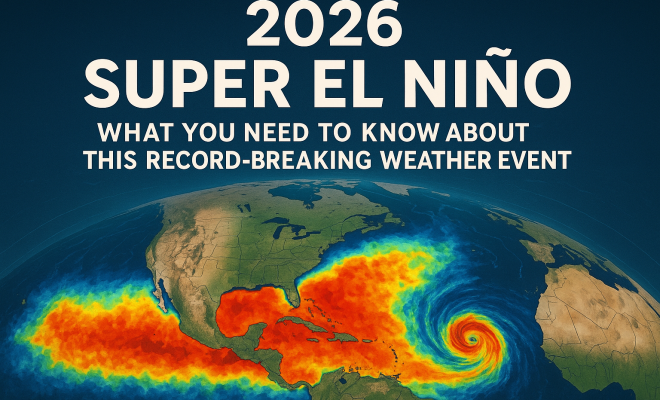
According to recent ECMWF (European Centre for Medium-Range Weather Forecasts) data, the upcoming Super El Niño of 2026 is on track to exceed previous records, with temperature anomalies predicted to surpass +2 degrees Celsius across the ENSO (El Niño-Southern Oscillation) region during the summer months. This unprecedented warming could signify a major shift in climate patterns, particularly during a time when we are already witnessing extreme weather events globally.
As the world collectively grapples with climate change, the intensity of this Super El Niño could serve as an alarming indicator of how vulnerable our weather systems are to alterations in ocean temperatures. The anticipated anomalies suggest that we are not merely facing an average El Niño year, but one that could redefine meteorological expectations for years to come.
Global Implications of a Super El Niño
The ramifications of a Super El Niño are manifold and can lead to catastrophic consequences, especially in regions like the United States, Canada, and Europe. In the U.S., we can anticipate significant shifts in weather patterns, including:
- Extreme heat waves, leading to increased energy demands and health risks.
- Severe droughts in some areas, affecting water supply and agriculture.
- Increased flooding in coastal regions, caused by rising sea levels and storm surges.
Canada is likely to experience similar extremes, with northern regions facing the risk of both flooding and heat. Meanwhile, Europe could see a significant uptick in extreme precipitation events, raising concerns about infrastructure resilience and agricultural viability.
Why Is This Super El Niño Generating Buzz?
The topic of Super El Niño 2026 has captured public interest, trending on Google and generating significant discussion on social media platforms. This surge in engagement can be traced back to our heightened awareness of climate change and its effects. The alarming data has created a ‘fear of missing out’ among the public, urging individuals to learn more about the impending weather phenomena that could disrupt their daily lives.
As climate experts share their insights, the potential for catastrophic agricultural losses only adds to the urgency. Farmers and food supply chains may take a hit, leading to skyrocketing prices and food shortages. The emotional weight of these predictions is palpable, making it a topic that resonates with many.
Scientific Insights: What Experts Are Saying
Climate scientists are weighing in on the implications of this Super El Niño. Dr. Lisa Thompson, a leading climatologist, explains, “We’re looking at a major atmospheric reset that could redefine summer weather for millions. These shifts can lead to unpredictable weather, which poses substantial risks to agriculture and human health.” The consensus among scientists is clear: the upcoming Super El Niño is not just another weather pattern but a significant event with long-term consequences.
Dr. Yuki Tanaka, an oceanographer, adds, “The magnitude of this warming is unprecedented. If we don’t start taking serious action to mitigate climate change, the impacts of events like Super El Niño 2026 will only become more severe and frequent in the future.” These expert opinions underline the urgency of the situation, fostering a sense of responsibility within communities worldwide.
Historical Context: Past El Niños
Understanding the history of El Niño events can shed light on what we might expect in 2026. Notably, the Super El Niño of 1997-1998 was one for the record books. That year brought widespread flooding, droughts, and severe weather conditions across the planet, leading to billions in economic losses. Such historical precedents serve as a stark reminder of the potential devastation caused by extreme weather.
In contrast, milder El Niño years have led to more predictable weather patterns, benefiting agricultural cycles and stabilizing economies. The difference, however, lies in the intensity of the warm anomalies that characterize these events. With Super El Niño 2026 set to break records, experts are concerned we may be entering a new phase of climate volatility. (See: What is El Niño?.)
Coping with Climate Disruption
As we prepare for the impacts of Super El Niño 2026, it’s essential for communities to develop adaptive strategies. This can include:
- Improved water management systems to handle droughts and floods.
- Investment in sustainable agriculture practices to mitigate the impacts on food supply.
- Increased public awareness campaigns about climate change and its effects on local weather patterns.
By taking proactive measures, communities can better prepare for the unpredictable weather ahead. This kind of planning not only benefits local residents but also contributes to global efforts in combating climate change.
Global Response: The Role of Governments
Governments worldwide play a critical role in addressing the challenges posed by El Niño events. As we move closer to 2026, policymakers will need to prioritize climate adaptation and mitigation strategies. This could include:
- Formulating and implementing comprehensive climate action plans that address the specific challenges posed by Super El Niño.
- Strengthening international cooperation to share resources and expertise in managing climate-related disasters.
- Funding research into the long-term impacts of climate change and extreme weather events.
By taking these steps, governments can ensure their communities are better equipped to face the coming challenges posed by Super El Niño 2026 and beyond.
Community Initiatives: Grassroots Action
Beyond government action, grassroots movements can foster resilience among communities. Local organizations, non-profits, and citizen groups can mobilize resources and raise awareness about the impending Super El Niño.
Engaging in community-led initiatives can include:
- Workshops on sustainable practices for homeowners and businesses.
- Community gardens that promote food security amid potential agricultural disruptions.
- Emergency preparedness programs to educate citizens on how to respond to extreme weather.
Through collaboration and shared knowledge, communities can strengthen their capacity to withstand the impacts of climate change.
The Path Forward: A Call to Action
As we approach the onset of Super El Niño 2026, it’s crucial for individuals, communities, and governments to understand the potential consequences of this phenomenon. The alarming data and expert warnings signify a need for immediate action. Whether it’s through personal lifestyle changes, community initiatives, or advocating for stronger governmental policies, every effort counts.
Climate change is a collective challenge that requires collective solutions. By staying informed, engaging in local initiatives, and pushing for meaningful policies, we can mitigate the impacts of Super El Niño and contribute to a more sustainable future.
Final Thoughts: Embracing the Challenge
While the prospect of Super El Niño 2026 is daunting, it also presents an opportunity for society to reassess its relationship with the environment. This event serves as a reminder of our vulnerability to climate dynamics and the urgent need for collaborative action. By embracing the challenge and preparing for the upcoming changes, we can build a more resilient world that thrives despite the uncertainties of climate change.
What is the Difference Between El Niño and Super El Niño?
While both El Niño and Super El Niño refer to periods of abnormal warming in the Pacific Ocean, the main difference lies in the intensity of the temperature anomalies. El Niño events are characterized by temperature increases of 0.5 to 1.5 degrees Celsius, while Super El Niño events can exceed +2 degrees Celsius. This drastic difference in temperature can lead to more severe weather events and far-reaching impacts on global climate patterns.
How Will Super El Niño 2026 Affect Global Food Production?
Super El Niño 2026 could significantly disrupt global food production. The extreme weather patterns associated with this phenomenon could lead to droughts in some regions and flooding in others. For instance, countries that rely heavily on stable rainfall for crops, like India and Brazil, might face dire consequences. According to a report from the Food and Agriculture Organization (FAO), past El Niño events have been linked to decreased yields in staple crops such as rice and wheat, threatening food security for millions. (impact on home values)
Statistics to Consider
Understanding the potential impacts of Super El Niño 2026 requires examining historical data and trends. For example: (See: Understanding El Niño.)
- The 1997-1998 Super El Niño contributed to an estimated $34 billion in damages globally.
- During past El Niño years, regions like Southeast Asia have seen crop yield reductions of up to 30%.
- Predictions indicate that the 2026 Super El Niño could lead to a 20% increase in global food prices due to crop failures.
Expert Perspectives: Insights from Meteorologists
Not just climatologists, but meteorologists are also weighing in on the implications of Super El Niño. Dr. Mike Sullivan, a prominent meteorologist, states, “This could be the strongest El Niño we’ve seen in decades. The impact on our climate systems will be profound, affecting everything from hurricane seasons to winter weather.” His insights highlight the interconnectedness of various climate systems and the potential for widespread ramifications.
Frequently Asked Questions (FAQ)
What causes El Niño events?
El Niño events are primarily caused by variations in ocean temperatures in the central and eastern Pacific Ocean. Changes in trade winds can disrupt the normal upwelling of colder waters, leading to warmer surface temperatures.
How can communities prepare for Super El Niño 2026?
Communities can prepare by developing comprehensive emergency plans, investing in resilient infrastructure, and engaging in public education campaigns about the potential impacts of Super El Niño. Local governments can also collaborate with scientists to monitor conditions and make data-driven decisions.
Are there any positive impacts of El Niño?
While Super El Niño events can lead to severe weather and economic challenges, there can be some positive impacts. For example, certain regions may benefit from increased rainfall that helps replenish water supplies and supports agriculture. However, these benefits are often overshadowed by the negative consequences of extreme weather.
What can individuals do to mitigate climate change?
Individuals can take several actions to mitigate climate change, including reducing energy consumption, supporting renewable energy initiatives, advocating for policy changes, and participating in local sustainability efforts. Every small action can contribute to a larger collective impact.
What is the role of ocean currents in El Niño phenomena?
Ocean currents play a crucial role in El Niño phenomena by redistributing heat across the globe. Changes in these currents can amplify or diminish the effects of El Niño, leading to varying weather patterns and climate impacts worldwide.
How can technology help in understanding Super El Niño?
Advancements in technology, such as satellite monitoring and climate modeling, are enhancing our understanding of Super El Niño events. These tools allow scientists to predict weather patterns more accurately, enabling communities and governments to prepare more effectively for potential impacts. There’s a fuller look at kidney disease and climate change.
The Economic Impact of Super El Niño 2026
The economic consequences of Super El Niño 2026 are expected to be profound. As weather patterns shift dramatically, industries such as agriculture, fishing, and tourism will face significant challenges. For agriculture, the expected variability in weather can lead to inconsistent crop yields, which not only impacts food security but also affects farmers’ livelihoods.
According to the World Bank, regions heavily dependent on agriculture could see GDP losses of up to 15% during severe El Niño years. Additionally, the fishing industry may suffer as warmer waters affect fish migration patterns, leading to decreased catches. Countries like Peru, known for their anchovy fishery, might experience economic downturns if fish stocks decline due to changing ocean temperatures.
Tourism could also take a hit. Destinations that rely on stable weather for visitors may find themselves at a disadvantage. A study by the United Nations World Tourism Organization indicated that extreme weather events could shift tourism patterns, with travelers opting for more stable climates, affecting economies reliant on tourism revenue.
The Social Dimensions of Super El Niño
Beyond economic impacts, Super El Niño 2026 carries significant social implications. Vulnerable communities, particularly in developing nations, are often the hardest hit during extreme weather events. Disruptions in food supply can lead to malnutrition, while increased flooding can displace families and strain local resources.
Social cohesion may be tested as communities struggle to cope with the impacts of climate change. Experts warn that as resources become scarce, competition may increase, leading to conflicts over water, land, and food. The International Federation of Red Cross and Red Crescent Societies has highlighted the need for social protection policies that safeguard the most vulnerable populations during climate-related disasters.
Global Collaboration Efforts
The scale of the challenges posed by Super El Niño 2026 necessitates global cooperation. Organizations like the United Nations Framework Convention on Climate Change (UNFCCC) are emphasizing the importance of international collaboration in addressing climate-related issues. Countries must come together to share data, resources, and best practices to combat the effects of Super El Niño.
Initiatives such as the Paris Agreement aim to unite nations in their efforts to reduce greenhouse gas emissions, which can mitigate the severity of extreme weather events. By investing in green technologies and sustainable practices, countries can not only prepare for Super El Niño but also work toward long-term climate resilience.
Environmental Strategies for Mitigating Impacts
As we face the daunting challenges posed by Super El Niño 2026, environmental strategies will play a crucial role in alleviating its impacts. Reforestation efforts, for example, can help stabilize ecosystems and improve water retention, ultimately supporting communities as they navigate the potential repercussions of extreme weather.
Implementing renewable energy solutions can also lessen our reliance on fossil fuels, a major contributor to climate change. Transitioning to solar, wind, and hydroelectric power can reduce greenhouse gas emissions and promote energy independence. In addition, sustainable urban planning can help cities adapt to changing climate conditions, ensuring that infrastructure is resilient against flooding and heat waves.
Looking Ahead: Preparing for Future Climate Challenges
As the global community prepares for Super El Niño 2026, prioritizing research and education around climate issues is essential. Engaging younger generations in climate science and sustainability practices can cultivate a more informed public, ready to tackle future challenges. Educational programs that focus on climate literacy can equip individuals with the knowledge to make informed decisions about resource use and environmental stewardship.
Local governments can implement educational outreach programs that emphasize preparedness for extreme weather events, ensuring that communities are not only aware of the risks but also equipped to respond effectively. By fostering a culture of readiness, we can build resilience that extends beyond the expected impacts of Super El Niño.
“`
Trending Now
Frequently Asked Questions
What is Super El Niño and why is 2026 significant?
Super El Niño refers to a particularly intense phase of the El Niño phenomenon, characterized by significant temperature anomalies in the Pacific Ocean. The 2026 event is projected to exceed previous records, with temperature increases predicted to surpass +2 degrees Celsius, potentially leading to drastic changes in global weather patterns.
How does El Niño affect global weather patterns?
El Niño disrupts typical weather patterns worldwide by altering ocean temperatures in the Equatorial Pacific. This can lead to extreme weather events such as increased rainfall, severe droughts, and intensified storms, impacting agriculture, water supplies, and overall climate stability.
What are the potential impacts of the 2026 Super El Niño in the United States?
The 2026 Super El Niño could result in extreme heat waves, severe droughts, and increased flooding in coastal regions across the United States. These changes can strain energy resources, disrupt agriculture, and pose health risks to populations.
What regions are most affected by Super El Niño events?
Regions such as the United States, Canada, and parts of Europe are particularly vulnerable to the impacts of Super El Niño events. These areas may experience significant weather shifts, including extreme temperatures, droughts, and flooding, due to changes in oceanic and atmospheric conditions.
How does climate change relate to Super El Niño?
Climate change may exacerbate the effects of Super El Niño by increasing the frequency and intensity of extreme weather events. As ocean temperatures rise, the potential for severe anomalies increases, making weather systems more vulnerable and unpredictable.
Have you experienced this yourself? We'd love to hear your story in the comments.