UN Report 2025: Economic Gap Between Nations Accelerates
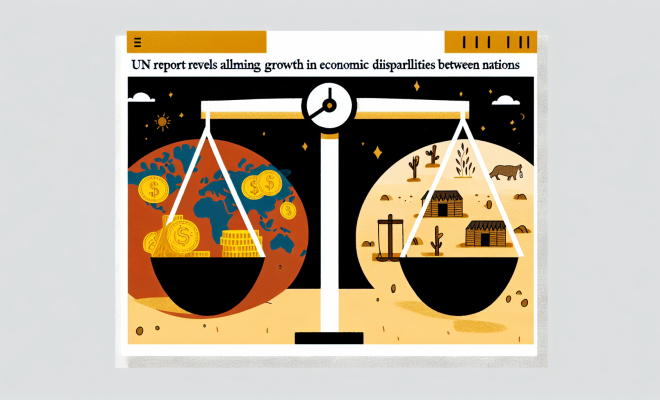
The latest report from the United Nations has unveiled a troubling trend: the gap between rich and poor nations is not just widening, but accelerating at an alarming pace. As global economic dynamics shift, the consequences are hitting the world’s most vulnerable populations hardest, with average tariffs on exports from the poorest countries projected to skyrocket.
Escalating Tariffs and Economic Isolation
According to the report, average tariffs on exports from the world’s poorest nations are set to increase dramatically from 9% to 28% by 2025. In parallel, developing countries—excluding China—are also facing steep tariff hikes, with rates climbing from 2% to 19%. These changes are attributed in part to policies enacted during the Trump administration, which have reshaped international trade agreements and fostered an environment less conducive to equitable economic collaboration.
Geopolitical Tensions and Their Impact
Moreover, the report emphasizes that rising geopolitical tensions are contributing to a stagnation in international cooperation and financial support for developing nations. This precarious situation has prompted warnings from UN Undersecretary-General Li Junhua, who described the current climate as a “perilous time for global economic relations.” As nations grapple with shifting alliances and trade policies, the prospects for collaborative efforts to alleviate poverty and foster development appear grim.
Unfinished Business: The 2030 Development Goals
Highlighting the urgency of the situation, the report draws attention to the unfulfilled commitments outlined in last year’s Seville blueprint aimed at achieving the United Nations’ 2030 development goals. These goals, which include eradicating extreme poverty and promoting sustainable development, are increasingly at risk as countries struggle to mobilize necessary resources.
In particular, the report projects a further decline of 5.8% in aid allocated for 2026, exacerbating the already critical funding gap facing developing nations. The implications of this downturn are profound, as the lack of funding not only hinders immediate relief efforts but also undermines long-term developmental strategies.
The Human Cost of Economic Disparity
The widening economic gap translates to real-world consequences for millions of individuals worldwide. As tariffs rise, the cost of exporting goods from poorer nations becomes prohibitively high, limiting their ability to compete in global markets. This economic isolation can lead to a vicious cycle of poverty, where nations struggle to generate revenue and improve the living standards of their citizens.
- Food Security: The increase in tariffs can lead to higher food prices, worsening food insecurity in already vulnerable populations.
- Access to Healthcare: Reduced funding and resources impact healthcare systems, leading to poorer health outcomes.
- Education: Economic disparities hinder access to quality education, perpetuating the cycle of poverty.
Calls for Urgent Action
The findings of this report come at a critical juncture, as global leaders prepare for the upcoming IMF and World Bank spring meetings. There is a growing consensus among experts and policymakers that immediate action is necessary to address these disparities. International cooperation, innovative financing solutions, and a renewed commitment to development goals are essential for reversing the trend of increasing inequality.
Li Junhua’s warnings underscore the importance of collective action, stating that without a united front, the world risks losing sight of the fundamental principles of equity and justice in economic relations.
Looking Ahead: The Role of Global Institutions
In response to these challenges, global institutions such as the United Nations, IMF, and World Bank must reevaluate their strategies and prioritize support for the most affected nations. This includes not only financial assistance but also fostering an environment conducive to trade that can uplift developing economies.
As the international community grapples with these pressing issues, the call to action is clear: to build a more equitable global economy, stakeholders must work collaboratively to dismantle barriers that perpetuate poverty and inequality.
Conclusion
The UN report serves as a stark reminder of the growing chasm between rich and poor nations, highlighting the urgent need for comprehensive strategies to bridge this divide. With the stakes higher than ever, the world must respond decisively to ensure that economic disparities do not define our future.