Travel Chaos Strikes the US: Thousands Affected Amid Spring Break Disruptions
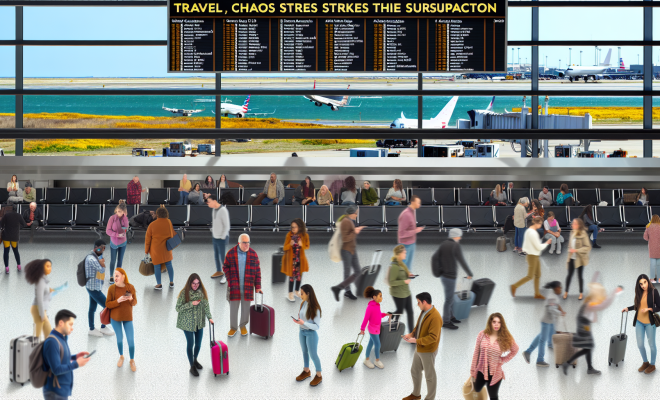
The travel landscape in the United States faced significant upheaval on March 14, 2026, as a combination of severe weather, operational challenges, and a critical government shutdown led to widespread flight disruptions. The impact was felt most acutely during the busy Spring Break season, with a staggering total of 5,356 disruptions reported across the country.
Flight Disruptions and Cancellations
The day saw 446 flight cancellations and 4,910 delays, severely impacting travelers trying to make the most of their Spring Break plans. Major airports were inundated with challenges, notably Chicago O’Hare International Airport, which alone accounted for 1,118 delays. Meanwhile, Seattle-Tacoma International Airport reported 78 cancellations, further contributing to the chaos.
Weather Woes: Five Systems at Play
The disruptions were fueled by the convergence of five separate weather systems across the country, creating hazardous conditions for air travel. From heavy rains to strong winds, these weather disturbances significantly hampered flight operations. Travelers attempting to navigate through the impacts of these systems were left facing long wait times and uncertainty regarding their travel plans.
Impact of the DHS Shutdown
The situation was compounded by a prolonged government shutdown, now entering its 30th day, which affected the Department of Homeland Security (DHS). This shutdown caused 61,000 TSA agents to miss their first full paycheck, leading to increased staff absences and longer security lines at major airports. For instance, passengers at Houston Hobby Airport faced waits of 3.5 to 4 hours, while those at Louis Armstrong New Orleans International Airport experienced waits of around 3 hours.
Travelers Left in Limbo
The combined effects of the weather disruptions and the TSA staffing issues left many travelers frustrated and uncertain about their journeys. With Spring Break being one of the busiest travel periods of the year, the ripple effect of these delays and cancellations meant that thousands were left stranded or scrambling to rebook flights.
Airlines Respond
In light of these disruptions, airlines were forced to implement contingency plans to manage the fallout. Many carriers issued statements advising passengers to check their flight status before heading to the airport. Additionally, some airlines began offering waivers for rebooking fees to accommodate travelers whose plans had been derailed.
Regional Challenges: Hawaii and Alaska
Beyond the mainland, Hawaii faced its own set of challenges. Flash flooding warnings were issued for the island, impacting operations at Honolulu Daniel K. Inouye International Airport. The adverse weather conditions forced some airlines, including Alaska Airlines, to adjust their flight schedules, further complicating travel for those attempting to reach or leave the islands.
Looking Ahead: What Travelers Should Know
Travelers planning trips in the near future should stay informed about the ongoing situation. Here are key takeaways:
- Check Flight Status: Always verify your flight status before heading to the airport, especially during periods of inclement weather.
- Prepare for Delays: Allow extra time for security checks and potential delays, particularly at major airports.
- Stay Updated on Weather Conditions: Monitor local weather forecasts to anticipate any disruptions that may affect your travel plans.
- Consider Travel Insurance: For those traveling during busy seasons or inclement weather, purchasing travel insurance may provide peace of mind.
A Call for Change
This recent travel chaos has sparked conversations about the need for more robust contingency plans and support systems within the travel industry. The reliance on a stable workforce, especially during peak travel times, highlights the critical role that timely compensation and staffing play in ensuring smooth operations. As travelers continue to navigate these unpredictable circumstances, the hope is that lessons learned from this experience will lead to positive changes in the future.
In conclusion, March 14, 2026, will be remembered as a day of travel turmoil in the United States. With thousands affected by flight cancellations and delays, the impacts of weather and federal shutdowns have underscored the importance of preparedness in the travel sector. As Spring Break continues, both travelers and airlines must remain vigilant and adaptable to navigate the ongoing challenges ahead.