Toronto’s Top Neighborhoods: Where to Live in 2025
As we look ahead to 2025, Toronto continues to evolve as a vibrant, diverse metropolis. The city’s neighborhoods are constantly changing, with new developments, improved infrastructure, and shifting demographics influencing their appeal. Here’s our ranking of the best places to live in Toronto in 2025, based on factors such as affordability, amenities, transit access, and overall quality of life.
- Leslieville
Leslieville has cemented its position as Toronto’s most desirable neighborhood. Its perfect blend of urban convenience and community feel makes it a top choice for young professionals and families alike.
Key Features:
- Thriving local businesses and restaurants
- Excellent public schools
- Proximity to beaches and parks
- Improved transit connections
- Liberty Village
Once an up-and-coming area, Liberty Village has matured into a well-rounded community. The completion of new residential developments and improved transit options has enhanced its appeal.
Key Features:
- Modern condos and lofts
- Tech-friendly environment with numerous startups
- Abundant green spaces and recreational facilities
- Enhanced streetcar service
- The Annex
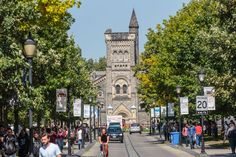
This classic Toronto neighborhood continues to charm residents with its eclectic mix of Victorian homes, vibrant street life, and proximity to the University of Toronto.
Key Features:
- Diverse dining and shopping options
- Rich cultural scene with theaters and museums
- Excellent walkability and cycling infrastructure
- Bloor-Danforth subway line access
- Riverdale
Riverdale’s family-friendly atmosphere, coupled with its beautiful parks and excellent schools, keeps it high on the list for those seeking a balance of urban and suburban living.
Key Features:
- Scenic Riverdale Park
- Top-rated public and private schools
- Diverse housing options
- Strong sense of community
- Distillery District
The Distillery District has evolved beyond a tourist attraction to become a sought-after residential area, thanks to new housing developments and improved amenities.
Key Features:
- Unique historic architecture
- Pedestrian-only streets
- Thriving arts scene
- New grocery stores and everyday services
- Yorkville
Yorkville maintains its status as Toronto’s most luxurious neighborhood, with high-end shopping, dining, and cultural attractions.
Key Features:
- Upscale condos and townhouses
- World-class restaurants and boutiques
- Proximity to museums and galleries
- Excellent public transit connections
- Corktown
This historic neighborhood has seen significant revitalization, becoming a hotspot for young professionals and creatives.
Key Features:
- Charming Victorian architecture
- Proximity to the Don River and trail system
- Emerging food and drink scene
- New mixed-use developments
- Danforth (Greektown)
The Danforth continues to be a favorite for its multicultural vibe, great restaurants, and family-friendly atmosphere.
Key Features:
- Vibrant Greek community and cuisine
- Excellent public schools
- Direct subway access
- Annual Taste of the Danforth festival
- Junction Triangle
Once overlooked, the Junction Triangle has become one of Toronto’s most exciting neighborhoods, thanks to significant investments in infrastructure and new residential developments.
Key Features:
- Affordable housing options
- Emerging arts and culture scene
- Improved parks and public spaces
- New transit options, including the Ontario Line
- Regent Park
The ongoing revitalization of Regent Park has transformed it into a diverse, mixed-income community with excellent amenities and a strong sense of community.
Key Features:
- Modern, sustainable housing
- State-of-the-art community center
- New parks and public spaces
- Improved safety and community programs
As Toronto continues to grow and change, these neighborhoods represent the best the city has to offer in 2025. Whether you’re looking for family-friendly suburbs, bustling urban centers, or up-and-coming areas, Toronto has a neighborhood to suit every lifestyle and preference.