The Unseen Cost: 8 Ways GLP-1 Weight Loss Effects Are Reshaping Lives Beyond the Scale
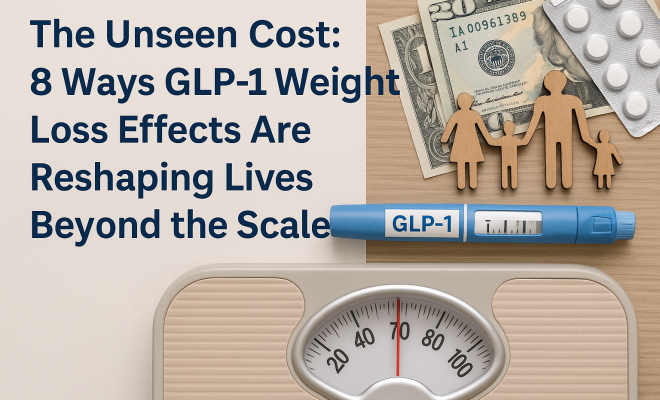
When we talk about GLP-1 medications like Ozempic and Wegovy, the conversation usually circles back to one thing: weight loss. And for good reason! These drugs have revolutionized how many people approach managing their weight, offering a powerful tool in the battle against obesity. Prescription rates have absolutely exploded – we’re talking nearly a tenfold increase in Australia since 2020 and a quadrupling in the US. That’s a lot of people experiencing significant changes to their bodies. But what if the story doesn’t end there? What if these powerful GLP-1 weight loss effects extend far beyond the numbers on the scale, reaching into the most intimate corners of our lives, like our relationships and even our sense of self?
It turns out, for many, the journey with GLP-1s is far more complex and nuanced than just shedding pounds. While physical side effects like nausea, constipation, or diarrhea are pretty well-documented and often discussed with your doctor, a quieter, more personal narrative is emerging. People are starting to share experiences that touch on profound emotional and psychological shifts, unexpected changes in their romantic lives, and even surprising alterations to their physical appearance that aren’t just about losing fat. These aren’t just minor inconveniences; they’re significant life changes that can affect a person’s identity and their most cherished connections. Let’s delve into some of these less-talked-about, but incredibly impactful, aspects of GLP-1 weight loss effects.
1. The ‘Ozempic Face’ Phenomenon: A New Aesthetic Challenge
One of the more visually striking, and often distressing, side effects that has gained traction on social media is what people are calling ‘Ozempic face.’ Imagine losing a significant amount of weight quickly. While that sounds like the goal, rapid fat loss isn’t always kind to your facial features. When the fat beneath the skin diminishes, it can leave the face looking gaunt, hollowed out, or even older than before. This isn’t just about vanity; our face is central to our self-perception and how we present ourselves to the world.
For many, the joy of fitting into smaller clothes is dampened by an unexpected change in their reflection. The youthful plumpness that fat provides is gone, and suddenly, wrinkles appear more pronounced, cheeks sink in, and eyes can look more hollow. This phenomenon has driven some individuals to seek cosmetic interventions, such as dermal fillers, to restore volume and a more youthful appearance. It’s a stark reminder that weight loss, especially rapid weight loss, affects every part of the body, sometimes in ways we don’t anticipate or desire.
2. Hair Thinning and Loss: A Frightening Side Effect
Imagine standing in the shower and seeing more hair than usual going down the drain, or noticing your ponytail feels thinner than it used to. For many GLP-1 users, this isn’t just a bad dream; it’s a reality. Research has actually started to quantify this, suggesting a 37% higher risk of hair thinning compared to other diabetes treatments. To put that into perspective, we’re talking about approximately 7 out of every 1,000 users experiencing this within a year. That’s not a negligible number.
Hair loss, for anyone, can be emotionally devastating. It’s tied to our image, our confidence, and often our sense of femininity or masculinity. While hair loss can sometimes be a temporary side effect of rapid weight loss in general, the specific connection to GLP-1s is something that patients need to be aware of. It’s another layer of complexity to the GLP-1 weight loss effects, challenging the idea that these medications offer a purely positive transformation. Coping with thinning hair can lead to increased self-consciousness and a need to adjust one’s styling routines, or even seek out professional advice on hair restoration.
3. Shifting Libido and Sexual Desire: An Intimate Impact
This is where things get really personal. While the physical changes are often visible, what happens behind closed doors, in the intimacy of a relationship, is far more private. And yet, discussions on platforms like Reddit reveal a common thread: altered libido and sexual desire among GLP-1 users. Some individuals report a noticeable decrease in their sex drive, while others experience a surprising uptick, or even a complete shift in what they find appealing. This isn’t just a minor inconvenience; it can have profound implications for romantic partnerships.
Think about it: sexual connection is a cornerstone of many relationships. If one partner’s desire changes significantly, it can create distance, misunderstanding, and even resentment. For those who experience a diminished libido, the struggle might be internal – feeling less interested in intimacy, which can lead to feelings of guilt or inadequacy. For their partners, it can be confusing and hurtful, leading to questions about the health of the relationship. These aren’t topics easily brought up with a doctor, but they are undeniably a part of the complex tapestry of GLP-1 weight loss effects.
4. Emotional Detachment and Altered Connection: The Psychological Ripple
Beyond physical desire, some users report a more generalized emotional detachment. Imagine feeling less interested in things you once enjoyed, or finding that your emotional responses to situations are muted. This can extend to how one connects with their partner. The source material highlights patients reporting altered emotional connection, and this is a truly unsettling prospect. Our ability to empathize, to feel joy, sorrow, and intimacy with others, is fundamental to being human. (See: CDC on obesity management and treatments.)
If GLP-1s are influencing the brain’s reward pathways or satiety signals in ways that also impact emotional processing, it could explain these reports. A decreased enjoyment of food, for example, is a known mechanism of action. But what if that ‘dampening’ effect isn’t isolated to just food? What if it spills over into other areas of pleasure and emotional engagement? This could lead to a feeling of ‘flatness’ or a reduced capacity for deep emotional bonding, which, like changes in libido, can strain even the strongest relationships, leaving both partners feeling isolated and confused about the source of the disconnect.
5. Navigating Relationship Dynamics Post-Weight Loss: A New Normal
Even without direct emotional side effects, the sheer act of significant weight loss can dramatically alter relationship dynamics. For years, couples often build shared routines around food, dining out, and comfort eating. When one partner undergoes a major transformation, these established patterns are inevitably disrupted. The partner on GLP-1s might no longer enjoy the same foods, might eat much smaller portions, or might have specific dietary restrictions. This can lead to awkward social situations and a feeling of disconnect during meal times, which are often central to social bonding.
Furthermore, a partner’s weight loss can trigger unexpected insecurities or jealousy in the other. If one person becomes significantly more confident and receives more attention, it can challenge the existing power balance within the relationship. Conversely, the person who has lost weight might find themselves with new expectations for their relationship or their life, which their partner may not be ready to meet. These are profound shifts that require open communication and a willingness to adapt, highlighting how the GLP-1 weight loss effects extend into the very fabric of shared lives.
6. Social Reintegration and New Identities: The World Reacts Differently
Losing a substantial amount of weight doesn’t just change your body; it changes how the world sees you, and, in turn, how you see yourself. For many who have struggled with obesity, there’s a lifetime of experiences shaped by societal biases and assumptions. Suddenly, after significant GLP-1 weight loss effects, they might find themselves treated differently – with more kindness, respect, or even romantic interest. While this can be validating, it can also be disorienting and even frustrating, exposing the harsh realities of how superficial society can be.
This shift can create internal conflict. Who am I now? Am I the person society is suddenly interested in, or the person I always was underneath the weight? This new attention, whether from strangers or even old acquaintances, can also put pressure on existing relationships. A partner might struggle with the increased attention their loved one receives, or the person who lost weight might struggle to reconcile their past identity with their new one. It’s a complex psychological landscape to navigate, often without a clear roadmap. (benefits of Ozempic)
7. The Financial Strain: An Unspoken Burden on Households
Let’s not forget the practical side of things. GLP-1 medications are not cheap. While insurance coverage varies, many individuals and families find themselves facing significant out-of-pocket expenses for these drugs. This financial burden can ripple through a household, affecting budgeting for other necessities, leisure activities, or future plans. When one partner is taking these medications, it becomes a shared financial consideration that can add stress to a relationship.
Discussions around medication costs, potential long-term expenses, and the impact on family finances are crucial, yet often overlooked when focusing solely on the health benefits. The decision to continue or discontinue treatment might not just be a medical one, but a financial one, impacting the overall stability and stress levels within a partnership. The cost associated with GLP-1 weight loss effects is a very real and tangible factor that can influence relationship harmony.
8. Coping with Digestive Discomfort and Lifestyle Adjustments: Everyday Realities
While often discussed, the persistent nature of common GLP-1 side effects like nausea, constipation, or diarrhea can have a real impact on daily life and, by extension, relationships. Imagine planning a romantic dinner or a weekend getaway, only for one partner to be constantly worried about digestive issues. This isn’t just a minor discomfort; it can dictate social plans, limit spontaneity, and create a constant underlying anxiety.
Partners often find themselves adapting their routines, meal choices, and social activities to accommodate these side effects. While supportive partners will do this willingly, the cumulative effect can still be a source of stress or a feeling of constant compromise. These ongoing physical GLP-1 weight loss effects, though not as dramatic as hair loss or emotional detachment, are the daily realities that subtly reshape how couples interact and enjoy life together. It’s a testament to the comprehensive nature of these drugs that even the ‘expected’ side effects can have such far-reaching implications.
9. The Brain’s Reward System: Beyond Food Cravings
The core mechanism of GLP-1 agonists involves mimicking a natural hormone that helps regulate appetite and blood sugar. But this isn’t just about turning off hunger pangs. GLP-1 receptors are found throughout the brain, including in areas associated with reward and pleasure. This is why some users report a reduced interest not just in food, but in other activities that were once highly rewarding, like alcohol, shopping, or even gambling. This reduction in the ‘buzz’ from certain behaviors could be a double-edged sword. (See: NIH on weight loss drugs and obesity.)
On one hand, it can be incredibly beneficial for those struggling with addictive behaviors, offering an unexpected therapeutic effect beyond weight loss. We’re seeing anecdotal evidence, and some preliminary studies, suggesting GLP-1s might help curb cravings for substances like alcohol. Imagine the implications for public health if these medications could effectively treat both obesity and certain addictions. However, on the other hand, this dampening of the reward system might contribute to the emotional flatness some users describe. If the brain isn’t responding as strongly to things that usually bring joy or satisfaction, it could certainly impact overall mood and emotional engagement, including with loved ones.
10. Impact on Mental Health: Anxiety, Depression, and Body Image
Weight loss, especially significant weight loss, is often assumed to be a cure-all for mental health struggles related to body image. For many, it definitely brings a boost in confidence and a reduction in social anxiety. But the reality is more complicated. While GLP-1s target physical mechanisms, their effects can reverberate through mental health in various ways. Some users report an improvement in their mood, feeling lighter and more energetic. Others, however, describe heightened anxiety or even depressive symptoms. This could be due to the emotional shifts mentioned earlier, or perhaps the rapid physiological changes themselves.
There’s also the complex psychological journey of adapting to a new body. For years, someone might have identified as a “larger person,” and suddenly that identity is challenged. This can bring up unexpected feelings of grief for the past self, even if that past self was struggling. It can also lead to a new set of pressures related to maintaining the weight loss, fearing regain, or dealing with the newfound attention. Healthcare providers need to be equipped to discuss these potential mental health implications with patients, not just focus on the physical numbers.
11. Long-Term Sustainability and Expectations: A Realistic View
The GLP-1 weight loss effects are undeniably powerful, but what happens when you stop taking the medication? Studies show that most people regain a significant portion of the weight they lost once they discontinue treatment. This isn’t a failure of the patient; it’s a reflection of how these medications work by altering physiological processes that regulate weight, not by permanently “curing” obesity. This reality can be incredibly disheartening for individuals and can create immense pressure.
The expectation that GLP-1s are a temporary fix can lead to disappointment and frustration if patients aren’t adequately prepared for the long-term commitment. This long-term use means ongoing financial strain, continued management of potential side effects, and a persistent need to adjust lifestyle. It highlights the importance of comprehensive support systems – including dietitians, therapists, and supportive partners – to help individuals navigate the sustained changes required. Without this realistic understanding, the psychological burden of potential weight regain can be substantial, impacting self-esteem and future health choices.
12. The Role of Medical Professionals: Beyond Prescribing
Given the wide-ranging GLP-1 weight loss effects, the role of healthcare providers becomes incredibly important. It’s not enough to simply prescribe the medication and monitor blood sugar or weight. Doctors need to engage in holistic conversations that cover not only the common physical side effects but also the potential for ‘Ozempic face,’ hair loss, altered libido, emotional changes, and relationship shifts. This requires more time during appointments and a willingness to explore sensitive topics.
Ideally, a multidisciplinary approach would be in place, involving dietitians for nutritional guidance, mental health professionals for psychological support, and even potentially dermatologists for aesthetic concerns. Patients also need clear guidance on managing side effects, understanding the long-term commitment, and knowing when to seek additional support. The current healthcare system often isn’t set up for this level of comprehensive care, but as GLP-1 use expands, it’s a critical area that needs development to ensure patients are truly supported through their journey.
Frequently Asked Questions About GLP-1 Weight Loss Effects
Q1: Can GLP-1 medications really cause hair loss?
Yes, unfortunately, hair thinning and loss can be a side effect for some individuals taking GLP-1 medications. While rapid weight loss from any method can sometimes lead to temporary hair shedding (telogen effluvium), studies specifically with GLP-1s have indicated a higher risk compared to other diabetes treatments. It’s not a universal experience, but it’s a documented one that patients should be aware of and discuss with their doctor if it occurs.
Q2: What is ‘Ozempic face’ and can it be prevented?
‘Ozempic face’ is a term coined to describe the gaunt, hollowed-out, or aged appearance some people experience after significant and rapid weight loss on GLP-1 medications. It happens because fat diminishes from the face, which normally provides youthful plumpness. While it’s hard to completely prevent rapid fat loss from affecting the face, losing weight at a more moderate pace might lessen the effect. Some individuals opt for cosmetic treatments like dermal fillers to restore volume to the face. (See: NY Times article on GLP-1 drugs.)
Q3: Do GLP-1s affect my mood or emotional responses?
Some users report experiencing emotional changes, ranging from a sense of ‘flatness’ or emotional detachment to shifts in anxiety or mood. GLP-1 receptors are present in areas of the brain that influence reward and emotion, so it’s plausible these medications can have an impact beyond just appetite regulation. If you notice significant changes in your mood or emotional well-being, it’s crucial to talk to your healthcare provider. promising weight loss option offers useful background here.
Q4: How do GLP-1 medications impact relationships?
GLP-1s can impact relationships in several ways. Changes in libido or sexual desire are commonly reported by some users, which can affect intimacy. Emotional detachment can also alter how one connects with a partner. Beyond direct side effects, the sheer act of significant weight loss can disrupt established routines (especially around food), trigger insecurities in a partner, and necessitate navigating a new identity, all of which require open communication and adaptation within the relationship.
Q5: Is GLP-1 weight loss permanent? What happens if I stop taking the medication?
For most people, the GLP-1 weight loss effects are sustained only as long as they continue taking the medication. Studies show that a significant portion of the lost weight is typically regained once treatment is discontinued. This is because the medications work by altering physiological processes that regulate appetite and metabolism, and these effects diminish once the drug is no longer in the system. It highlights that GLP-1s are often a long-term treatment rather than a temporary fix for obesity.
Q6: Are GLP-1 medications covered by insurance, and what’s the typical cost?
Insurance coverage for GLP-1 medications varies widely depending on your specific plan, your diagnosis (e.g., type 2 diabetes vs. obesity alone), and your geographic location. Many plans require prior authorization or may only cover certain brands. For those without coverage, the out-of-pocket cost can be substantial, often ranging from $900 to $1,300 per month. This financial burden is a significant factor for many individuals and families.
Q7: Can GLP-1s help with other addictions besides food?
There’s emerging anecdotal evidence and some preliminary research suggesting that GLP-1 medications might help reduce cravings for substances like alcohol, nicotine, and even reduce gambling urges in some individuals. This is thought to be due to their influence on the brain’s reward pathways. While promising, more extensive research is needed to confirm these effects and understand their full therapeutic potential.
It’s clear that while GLP-1 medications offer incredible promise for weight management, their impact extends far beyond the number on the scale. From unexpected physical changes like ‘Ozempic face’ and hair loss, to profound shifts in libido, emotional connection, and relationship dynamics, the GLP-1 weight loss effects are reshaping lives in deeply personal ways. As these drugs become even more widespread, it’s crucial that we broaden our understanding and conversation to encompass these less-talked-about, but equally important, aspects of the user experience. Open dialogue, both with healthcare providers and within relationships, will be key to navigating this new and complex terrain.
Trending Now
Frequently Asked Questions
What are GLP-1 medications and how do they work?
GLP-1 medications, such as Ozempic and Wegovy, are drugs that help manage weight by mimicking the incretin hormone, which regulates appetite and insulin secretion. They promote feelings of fullness, leading to reduced food intake and significant weight loss, making them a powerful tool in combating obesity.
What side effects are associated with GLP-1 weight loss medications?
Common side effects of GLP-1 medications include nausea, constipation, and diarrhea. However, users are also reporting less-discussed effects like emotional and psychological changes, as well as alterations in physical appearance, such as the 'Ozempic face,' which can impact self-image and relationships.
What is the 'Ozempic face' and why is it a concern?
'Ozempic face' refers to the gaunt or hollow appearance some people experience after rapid weight loss from GLP-1 medications. This phenomenon can be distressing, as it may make individuals look older or change their facial aesthetics significantly, raising concerns beyond just weight management.
How do GLP-1 medications impact mental health?
Beyond physical changes, GLP-1 medications can lead to profound emotional and psychological shifts. Users often report changes in self-esteem and identity, as well as unexpected impacts on their romantic lives, highlighting the complex relationship between weight loss and mental well-being.
Are there long-term effects of using GLP-1 medications?
While GLP-1 medications are effective for weight loss, their long-term effects are still being studied. Users may experience lasting changes in their body image, emotional health, and social relationships, which can significantly reshape their lives beyond just the scale.
What's your take on this? Share your thoughts in the comments below — we read every one.