
The Unequal Load: How Working Parents Divide Family Responsibilities At Home
“`html
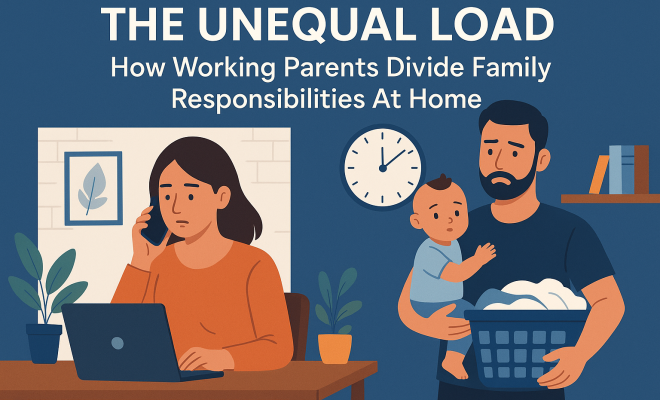
In today’s world, the landscape of family dynamics is shifting, especially among working parents. A recent report from the Pew Research Center highlights some disconcerting trends regarding how married or cohabiting different-sex couples manage household responsibilities. In families where both parents work full-time, a significant portion of moms still finds themselves shouldering the bulk of parenting and household tasks. This enduring issue raises questions about equity in both domestic and professional spheres.
Understanding the Data: Who Does What?
The Pew Research Center’s report, released on June 16, 2026, reveals that while both parents juggle professional commitments, the division of family responsibilities remains skewed. According to the findings, 52% of respondents believe that mothers take on more day-to-day parenting tasks. In stark contrast, only 10% claimed that fathers carry a heavier load in this area. Interestingly, about 39% of parents feel that responsibilities are shared equally. However, that still leaves over half of families where moms are perceived as the primary caregivers.
Furthermore, the study indicates that 43% of parents feel mothers handle more household chores than fathers. This notable statistic reinforces the persistent gender gap that exists in family labor, which transcends individual family circumstances. The findings paint a picture of a domestic environment where traditional roles still heavily influence modern parenting, despite the fact that many mothers are contributing equally, if not more, to the family income.
Invisible Labor: The Unseen Burden
One of the most significant aspects of the division of labor among working parents is the concept of invisible labor. This term refers to the often unrecognized and unaccounted responsibilities that one partner may undertake. For many families, the emotional and mental load that comes with parenting—planning, coordinating schedules, and ensuring that everything runs smoothly—tends to default to mothers.
This imbalance can lead to a situation where mothers feel overwhelmed, even when they are working more hours than their partners. The emotional toll of managing everything from school drop-offs to household errands often falls squarely on their shoulders, perpetuating a cycle of stress that can affect both personal well-being and family dynamics.
Why Does This Gender Gap Persist?
So, why do these gender disparities in working parents’ responsibilities continue to exist? Several factors contribute to this persistent gap.
- Traditional Gender Roles: Societal expectations play a significant role. Many families still operate under conventional beliefs about gender roles, which dictate that women are the primary caregivers, while men are breadwinners.
- Workplace Dynamics: The workplace often lacks flexibility that allows for equitable sharing of responsibilities at home. Many employers still operate under the assumption that all employees are available around the clock, which can hinder fathers’ involvement in family matters.
- Perceptions of Competence: Mothers may feel pressured to take on more responsibilities to prove their competence as caregivers, leading to an internalized belief that they must manage family tasks themselves.
Unique Situations: When Hours Don’t Translate to Duties
Interestingly, the data shows that even when mothers work longer hours than fathers, they still tend to take on more parenting and household chores. This trend raises important questions about the nature of working parents’ responsibilities. It begs the question: is it possible for two parents, both working full-time, to achieve a balance that feels fair and equitable?
In many cases, the answer is complicated. While some couples may find ways to share responsibilities based on their schedules, others struggle against ingrained habits and societal expectations. The result is a disparity that can breed resentment, frustration, and burnout—especially among mothers who feel they are constantly juggling more than their fair share. (See: CDC on parenting and family roles.)
The Impact on Family Dynamics
This imbalance in responsibilities can lead to a variety of challenges within the family unit. First and foremost, it can affect the quality of relationships between partners. When one partner feels overwhelmed and unsupported, it can breed conflict and dissatisfaction, which can spill over into other areas of family life.
Moreover, children learn by example. When they observe their parents dividing responsibilities unequally, they may internalize those dynamics, carrying them into their own future relationships. It creates a cycle that continues across generations, where traditional roles are reinforced rather than challenged.
Strategies for Achieving Balance
So, what can working parents do to create a more equitable division of responsibilities? Here are some actionable steps to consider:
- Open Communication: Regular discussions about responsibilities and expectations can help clarify roles and reduce misunderstandings. It’s essential that both partners feel comfortable expressing their concerns and finding solutions together.
- Set Clear Boundaries: Defining work hours and family time can help ensure that both parents are equally involved. Setting boundaries prevents work from overshadowing family responsibilities and allows for focused quality time.
- Share Household Tasks: Creating a chore chart can help distribute household tasks more equitably. Both partners should contribute to chores according to their availability and preferences.
- Encourage Father Involvement: Fathers should consider taking a more active role in daily parenting tasks. This not only alleviates the burden on mothers but also fosters deeper bonds between fathers and their children.
- Seek External Help: If feasible, consider outsourcing certain chores or childcare responsibilities. Hiring help—even on a part-time basis—can lessen the load and create more space for family time.
The Role of Employers in Supporting Families
While working parents are certainly responsible for their family dynamics, employers also play a vital role. Companies that prioritize work-life balance through policies such as flexible hours, remote work options, and parental leave can significantly impact how responsibilities are shared at home.
Research has shown that organizations that support family-friendly policies see higher employee satisfaction and retention rates. When parents feel supported in their roles, they are more likely to engage meaningfully at home and at work. In turn, this equitable environment can translate to healthier family dynamics and a more balanced division of labor.
Changing Perspectives on Gender Roles
As society evolves, so do perceptions of gender roles. While traditional views still hold sway in many households, there is a growing recognition of the importance of shared responsibilities. Younger generations are increasingly rejecting outdated norms, advocating for equitable sharing of both parenting and household chores.
Many couples today are redefining what it means to be a working parent. They are actively seeking arrangements that reflect their values, preferences, and lifestyles rather than conforming to traditional expectations. This shift holds the potential to break the cycle of inequality and foster a more balanced family structure.
A Closer Look at Work-Life Balance
Work-life balance is a term we hear often, but what does it really mean for working parents? It goes beyond just managing time; it’s about creating an environment where both work and family life can coexist harmoniously. Achieving this balance is essential not only for personal well-being but also for overall family health.
Many experts suggest that work-life balance involves prioritizing tasks and being intentional about how time is spent. For instance, parents might choose to limit overtime at work or set aside designated family nights to ensure quality time together. It’s also vital to recognize that work-life balance looks different for everyone, depending on their unique circumstances and family dynamics.
Real-Life Examples of Balance
To illustrate different approaches to achieving balance, let’s take a look at a few real-life examples of working parents who have successfully navigated their responsibilities: (See: New York Times article on gender roles.)
- The Smith Family: Both parents in this family work demanding jobs. To manage household duties, they have implemented a rotating chore schedule. Each week, the responsibilities change based on their work commitments. This ensures fairness and helps them avoid burnout.
- The Johnsons: This couple decided to hire a part-time nanny to help with childcare. By outsourcing this responsibility, they freed up time for both parents to pursue their careers while ensuring that their children’s needs are met. They realized that investing in help was worth the peace of mind it provided.
- The Chens: In a unique approach, this family dedicates Sunday evenings to planning their week. They sit down together to discuss work schedules, plan meals, and allocate tasks. This proactive strategy allows them to anticipate challenges and promote teamwork.
Statistics on Working Parents’ Responsibilities
Understanding the broader implications of working parents’ responsibilities requires looking at the statistics that underline the challenges they face. Here are some key figures that showcase the current state:
- According to a survey by Gallup, 60% of working parents report feeling overwhelmed by their responsibilities.
- A study from McKinsey revealed that 29% of working mothers considered leaving their jobs due to the stress of managing household responsibilities.
- Research from the American Psychological Association (APA) found that 70% of working parents believe workplace policies could be more supportive of family needs.
- The National Bureau of Economic Research reported that families with equal division of labor at home experience 20% higher satisfaction in their relationships.
Expert Perspectives on Balancing Responsibilities
Inviting expert opinions can provide valuable insights into the dynamics of working parents’ responsibilities. Here’s what a few professionals have to say:
Dr. Emily Johnson, Family Psychologist: “The emotional labor that often falls disproportionately on mothers can lead to burnout. Open dialogue about responsibilities is crucial. Parents must work together to find solutions that work for both parties, ensuring that no one feels they’re carrying the weight alone.”
Dr. Mark Thompson, Sociologist: “As more dads take on active roles in caregiving, we’re likely to see shifts in societal norms. It’s important to break these stereotypes and encourage all parents to be fully engaged, which can lead to healthier family dynamics.”
Strategies for Working Parents Facing Challenges
It’s not uncommon for working parents to feel overwhelmed by the dual demands of work and family life. Here are some strategies that can help mitigate stress and promote a healthier balance:
- Employ Time Management Techniques: Utilizing tools like calendars, to-do lists, and apps designed for task management can streamline daily responsibilities. Prioritizing tasks can also help you tackle what matters most.
- Practice Self-Care: Carving out time for your own well-being is essential. Engaging in activities that recharge you, whether it’s exercise, hobbies, or quiet time, can help reduce stress and improve your overall outlook.
- Join Parent Support Groups: Connecting with other parents who are experiencing similar challenges can provide emotional support and practical advice. Many communities offer online or in-person groups that focus on shared parenting experiences.
- Embrace Flexibility: Understand that it’s okay to adjust plans as necessary. Life can be unpredictable, and being adaptable can help you manage expectations and reduce feelings of failure when things don’t go as planned.
How to Foster Gender Equity in Parenting
Promoting gender equity within parenting is an ongoing effort. Here are some ways both parents can work together to foster fairness and shared responsibility:
- Model Equality: Demonstrate balanced responsibilities in front of your children. Show them that both parents contribute equally to the household and caregiving tasks.
- Encourage Open Dialogue: Create an environment where discussions about gender roles and expectations are encouraged. Talk about challenging traditional stereotypes and emphasize the importance of shared parenting.
- Educate Yourself: Stay informed about gender dynamics and how they impact family structures. Reading literature on the subject can deepen your understanding and inspire proactive changes.
- Celebrate Contributions: Acknowledging each other’s efforts can go a long way in promoting equity. Regularly express gratitude for the tasks each partner handles, reinforcing the notion that both are equally valuable in the parenting partnership.
FAQ: Common Questions About Working Parents’ Responsibilities
What can working parents do if they feel overwhelmed?
One of the first steps is to have an open conversation with your partner about feelings of overwhelm. Discuss the distribution of responsibilities and explore ways to share the workload more evenly. It may also help to seek external support, whether through hiring help or relying on family and friends.
How can I encourage my partner to take on more responsibilities?
Start by having an open dialogue. Share your feelings about the current division of labor, and express why a more equitable distribution is important. Avoid blaming language; instead, use “I” statements to express how you feel. Encourage your partner to suggest tasks they would feel comfortable handling.
Are there any books or resources that can help working parents?
Absolutely! Some popular resources include “Fair Play” by Eve Rodsky, which focuses on equitable division of household responsibilities, and “The 7 Habits of Highly Effective Families” by Stephen Covey, which offers strategies for managing family life effectively. Additionally, “Drop the Ball” by Tiffany Dufu addresses the importance of letting go of perfectionism and prioritizing what truly matters.
How do I approach my employer about flexible work options?
Prepare a clear proposal that outlines how flexible working arrangements could benefit both you and the company. Be ready to present your case, including how it would enhance productivity and work-life balance. Timing is also crucial, so consider discussing this during performance reviews or one-on-one meetings when such topics are encouraged.
What if my partner refuses to change their involvement in household tasks?
This can be a difficult situation. First, try to understand their perspective and what might be holding them back. If discussions aren’t leading to change, consider seeking couples counseling for deeper issues that may need to be addressed, or find support groups to gain insights from others in similar situations.
What are some signs that the division of responsibilities needs to be reevaluated?
Common signs include feelings of resentment or frustration, consistent feelings of being overwhelmed, and a lack of communication about household tasks. If one partner is frequently feeling stressed or unsupported, it may be time to sit down and reassess how responsibilities are divided.
How can I find local resources for support with childcare or household tasks?
Many communities offer resources such as family centers, parenting classes, and local caregiver registries. Online platforms like Care.com or TaskRabbit can also connect you with childcare providers or individuals who can assist with household chores. It’s also worth checking local Facebook groups or community boards for recommendations.