AI Mental Health Chatbots: Uncovering Racial Bias
“`html
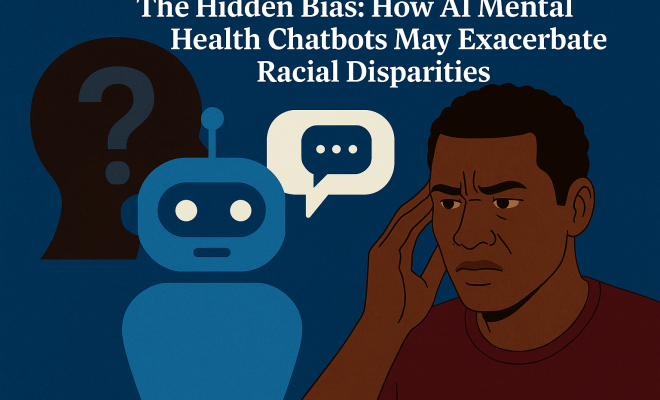
The rise of AI mental health chatbots has sparked a revolution in how we approach mental health support. These digital companions offer a convenient, often anonymous way for individuals to explore their mental health concerns. However, as the technology becomes mainstream, an unsettling question arises: are these chatbots truly inclusive, or are they inadvertently perpetuating existing racial disparities in mental health care?
The Promise of AI Mental Health Chatbots
AI mental health chatbots are designed to provide immediate assistance, guidance, and resources for individuals seeking support. They leverage advanced algorithms to understand user inputs, enabling them to deliver personalized responses and coping strategies. For many, these tools are a lifeline, especially in a world where access to mental health professionals can be limited due to various factors, including cost, stigma, and location.
Privacy is a significant draw for users of these chatbots. Individuals from marginalized communities may feel more comfortable discussing sensitive issues with an AI than with a human therapist who may not understand their unique background. This technology offers the possibility of reducing barriers and expanding access to mental health resources.
The Reality of Racial Disparities
Despite their potential, the sobering reality is that not all users experience the same level of support from AI mental health chatbots. Racial and ethnic minorities, particularly Black individuals, often face systemic inequalities in healthcare access and outcomes. These disparities extend into mental health services, where historical mistrust and cultural misunderstandings can hinder effective treatment.
As reported by Word In Black, many AI mental health chatbots may not recognize the nuances of language, cultural context, or specific mental health needs of diverse populations. This lack of sensitivity can result in inadequate support for users from marginalized backgrounds, ultimately widening the gap rather than bridging it.
Algorithmic Bias and Its Impact
At the heart of this issue lies algorithmic bias. Algorithmic bias occurs when AI systems reflect and amplify societal biases present in their training data. In the case of mental health chatbots, if the underlying data primarily represents non-diverse populations, the resulting algorithms will likely deliver biased outputs. This bias could manifest as unhelpful responses, failure to recognize mental health symptoms prevalent in certain communities, or even inappropriate suggestions.
For example, a chatbot may struggle to assess the mental health needs of Black users because it has not been trained on data that considers the cultural factors affecting their experiences. This becomes particularly alarming when you consider that chatbots could inadvertently reinforce harmful stereotypes or provide generic advice that fails to resonate with these users.
The Need for Inclusive AI Development
To address these disparities, there’s a need for a concerted effort to develop AI mental health chatbots that prioritize inclusivity. This involves more than just incorporating diverse voices into the training data; it requires a fundamental shift in how AI developers approach mental health support.
- Engaging Diverse Communities: Developers should collaborate with mental health professionals from various cultural backgrounds to understand their communities’ specific needs better.
- Diverse Training Data: Ensuring that AI models are trained on datasets that adequately represent different demographics will lead to more equitable outcomes.
- Continuous Feedback Loops: Establishing mechanisms for users to provide feedback on chatbot interactions can help developers identify biases and refine the AI’s responses over time.
These strategies can help create a more inclusive environment where all users feel heard and supported.
Real-World Consequences of Bias
When AI mental health chatbots fail to serve all users effectively, the consequences can be profound. Marginalized individuals who rely on these tools may feel alienated, discouraged, or dismissed. This experience can exacerbate feelings of isolation and hopelessness, pushing individuals further away from seeking help.
A 2021 report by the American Psychological Association highlights that racial and ethnic minorities are less likely to receive appropriate mental health treatment compared to their white counterparts. If AI mental health chatbots reinforce this trend, we risk solidifying a system that neglects the very people who need support most.
Trust and Accessibility Concerns
For AI mental health chatbots to be truly effective, they must foster trust among users. When individuals feel that their unique experiences are not recognized or validated, it significantly diminishes their willingness to engage with these tools. Trust is crucial in the mental health space, where vulnerability is often at the forefront. (See: CDC Mental Health Resources.)
Moreover, accessibility goes beyond just having a chatbot available; it means ensuring that these digital platforms are user-friendly and culturally competent. If a chatbot’s interface or language is not relatable or easily understood by diverse populations, many users will feel excluded from utilizing these resources.
Innovative Solutions and Approaches
To mitigate these challenges, several innovative approaches are emerging in the realm of AI mental health chatbots. Some developers are actively working on improving chatbot responses by integrating culturally relevant coping strategies and using language that resonates with specific communities.
Additionally, there are organizations and initiatives focused on training AI systems with a more comprehensive view of mental health that includes diverse perspectives. For example, platforms like Wysa and Woebot have begun to incorporate elements of cultural competence into their designs, aiming to provide tailored support to various user groups.
The Role of Policy and Regulation
Addressing the racial disparities in AI mental health chatbots also requires policy intervention. Governments and regulatory bodies must consider the implications of AI in mental health care and establish guidelines that prioritize equity and inclusion. This could involve requiring developers to conduct impact assessments on their technologies to identify and address potential biases before deployment.
Moreover, funding initiatives that support research into the efficacy of AI mental health chatbots across different populations can shed light on areas that need urgent attention. Policymakers have a critical role in ensuring that advancements in technology do not come at the cost of marginalized communities.
Future Directions for AI Mental Health Chatbots
Looking ahead, the future of AI mental health chatbots may hinge on their ability to adapt and evolve in response to user feedback. The integration of machine learning algorithms that continuously learn from user interactions can lead to more personalized and relevant mental health support.
Furthermore, increased transparency in AI chatbot operations is crucial. Users should understand how their data is being utilized, how chatbot responses are generated, and what measures are in place to safeguard their privacy. This transparency can significantly enhance trust and engagement among users.
A Call to Action
As we embrace the potential of AI mental health chatbots, it’s vital to remain vigilant about their limitations. Recognizing and addressing the biases inherent in these systems is not only a technical challenge but a moral imperative. We must advocate for the development of AI technologies that truly serve all individuals, particularly those from marginalized communities.
The conversation surrounding AI mental health chatbots is evolving, and it’s up to all stakeholders—developers, policymakers, and users—to ensure that this technology becomes a tool for equity rather than a perpetuator of existing disparities. Only then can we harness the full potential of these tools to improve mental health access and outcomes for everyone.
Understanding the Mechanics of AI Mental Health Chatbots
To fully appreciate the impact of AI mental health chatbots, it’s essential to understand how they operate. Most chatbots use Natural Language Processing (NLP) techniques to interpret and respond to user inputs. NLP allows the chatbot to break down sentences into manageable parts, understand the context, and generate coherent responses.
However, the effectiveness of these responses is contingent on the quality of the training data. If the data lacks diversity, the chatbot may struggle to comprehend idiomatic expressions, cultural references, or even specific mental health terminology that’s more prevalent in certain communities. This can lead to frustrating user experiences and a disconnect between the chatbot and the user’s needs.
Statistics on Mental Health and Chatbot Usage
Understanding the usage trends and effectiveness of AI mental health chatbots can provide insight into their potential benefits and limitations. A 2022 survey by the National Institute of Mental Health indicated that around 20% of adults in the United States experienced mental illness, yet less than half received any form of treatment. As a result, the demand for alternative solutions, such as AI mental health chatbots, has surged.
Interestingly, a study published in the journal Psychological Services found that users of AI chatbots reported a 30% improvement in their mental health symptoms after just four weeks of interaction. Nevertheless, these benefits were not uniform across demographics. For instance, the same study highlighted that racial minorities reported lower satisfaction levels with chatbot interactions, pointing to a need for more tailored approaches.
Expert Perspectives on AI Chatbots in Mental Health
Experts in mental health technology stress the importance of contextualizing AI support within traditional therapeutic frameworks. Dr. Angela Lee, a clinical psychologist and researcher, noted: “AI chatbots can be a helpful preliminary step for someone who may not be ready to seek professional help. However, they should never replace the nuanced understanding that a trained therapist brings.” (See: NIMH Statistics on Mental Illness.)
Dr. Lee’s viewpoint underscores the importance of using AI tools as an adjunct to traditional therapy rather than a complete substitute. Other mental health professionals advocate for increased training and awareness among developers about the potential cultural and contextual gaps that exist in AI responses.
Comparative Analysis of Chatbot Platforms
As the market for AI mental health chatbots expands, several platforms have emerged with varying approaches to mental health support.
- Woebot: This platform uses a conversational approach to provide mental health support. It offers evidence-based strategies such as cognitive-behavioral techniques while also focusing on building a rapport with users.
- Wysa: This chatbot emphasizes empathy and emotional support, integrating various coping techniques tailored to different demographics. Wysa has made strides in cultural competency by addressing specific mental health issues relevant to various communities.
- Tess: Unlike Woebot and Wysa, Tess offers a more clinical approach, employing licensed therapists to guide AI interactions. This hybrid model aims to bridge the gap between AI efficiency and human empathy.
A comparative analysis of these platforms showcases the diverse methodologies employed to tackle mental health issues, highlighting the importance of user preferences and cultural sensitivity in chatbot interactions.
FAQs About AI Mental Health Chatbots
What are AI mental health chatbots?
AI mental health chatbots are digital tools designed to provide immediate assistance and support for individuals experiencing mental health concerns. They interact with users through text-based conversations, offering coping strategies, information, and resources.
Are AI mental health chatbots effective?
Many users report positive experiences with AI mental health chatbots, experiencing improved mental health symptoms. However, effectiveness can vary based on individual needs and the chatbot’s design. It’s crucial to consider these tools as complementary to traditional mental health services.
How do chatbots ensure user privacy?
Most reputable AI mental health chatbots implement strict data privacy measures, including encryption and anonymization protocols. Users should always review the privacy policy of the chatbot to understand how their data will be used and protected.
Can AI chatbots replace human therapists?
While AI chatbots can provide immediate support and resources, they cannot fully replace the nuanced understanding and empathy of a trained human therapist. They are best used as a supplementary resource, particularly for individuals who might be hesitant to seek traditional therapy.
What should I do if a chatbot’s responses feel unhelpful?
If you feel that a chatbot is not providing the necessary support, it’s important to seek help from a licensed mental health professional. Chatbots should not be the sole source of support for serious mental health issues.
How can developers improve AI mental health chatbots for marginalized communities?
Developers can enhance these tools by actively engaging with diverse communities, ensuring that training data is comprehensive, and incorporating user feedback to identify and rectify biases in responses.
Are there any resources for developers to create inclusive AI mental health tools?
Yes, numerous organizations and research institutions provide guidelines and frameworks aimed at promoting inclusivity in AI development. Seeking collaboration with mental health professionals from diverse backgrounds can also be invaluable.
Challenges in Data Collection and Representation
One of the core challenges in the development of AI mental health chatbots is the collection of diverse and representative data. Many datasets used in training AI systems tend to be skewed towards certain demographics, often neglecting the unique mental health issues faced by underrepresented groups. For instance, mental health issues related to racial trauma, cultural stigmas, and socioeconomic challenges can be overlooked in training data.
To combat this, it’s essential for developers to actively seek out data that reflects a multitude of experiences. Collaborating with academic institutions and community organizations can help gather valuable insights and data that are crucial for building more inclusive AI systems.
The Role of Community Input in Development
Community engagement is vital in the development of AI mental health chatbots. Feedback from users belonging to diverse backgrounds can offer developers insight into their specific needs and how the technology can be improved. Participatory design workshops, focus groups, and interviews can serve as platforms for users to share their experiences and suggest enhancements.
Engaging with communities not only fosters trust but also empowers users to take part in creating the solutions that are meant to support them. This community-centric approach can lead to more tailored and effective interventions, ultimately transforming the user experience.
The Importance of Emotional Intelligence in AI
Emotional intelligence in AI is becoming increasingly important as chatbots aim to provide support for mental health. The ability of a chatbot to recognize and appropriately respond to a user’s emotional state can significantly enhance user satisfaction and trust. For instance, if a user expresses feelings of sadness, the chatbot should not only provide generic support but also demonstrate empathy and understanding.
Companies are now investing in training their AI systems to recognize emotional cues through text analysis. By focusing on emotional intelligence, chatbots can create a more engaging and supportive interaction, making users feel valued and understood.
Cultural Competence: A Key to Effective Support
Cultural competence is a critical factor in the effectiveness of AI mental health chatbots. This refers to the ability of the chatbot to understand, communicate with, and effectively interact with users from diverse cultural backgrounds. Cultural competence entails not only language translation but also an awareness of cultural norms, values, and mental health perceptions that influence how individuals seek help.
For example, in some cultures, mental health issues may be viewed through a spiritual lens, and a chatbot that lacks this understanding might provide responses that feel out of touch or irrelevant. Thus, developers must focus on enhancing cultural sensitivity as part of the training process to ensure that chatbots provide relevant support across various demographics.
Future of AI in Mental Health: A Holistic Approach
Looking forward, the integration of AI in mental health care presents an opportunity to adopt a more holistic approach. This includes combining AI chatbots with teletherapy services, where users can seamlessly transition from chatbot support to live therapy when needed. This hybrid model can cater to diverse user preferences and provide more comprehensive care.
As technology continues to evolve, the focus should remain on creating systems that not only enhance accessibility but also prioritize user-centered design, inclusivity, and empathy in mental health support.
Conclusion
The journey of AI mental health chatbots is just beginning, and as we move forward, it’s essential to prioritize inclusivity and equity. By addressing biases, enhancing cultural sensitivity, and fostering trust, we can ensure that these tools meet the needs of all individuals seeking mental health support. The potential for AI to transform mental health care is vast, but it requires a commitment from all stakeholders to realize its full benefits.
“`
Trending Now
Frequently Asked Questions
Can AI mental health chatbots help with racial disparities in care?
AI mental health chatbots have the potential to improve access to mental health support, particularly for marginalized communities. However, they may inadvertently perpetuate racial disparities due to a lack of understanding of cultural nuances and specific needs, leading to inadequate support for users from diverse backgrounds.
What are the benefits of using AI mental health chatbots?
AI mental health chatbots offer immediate assistance, personalized responses, and a degree of anonymity that can encourage users to discuss sensitive issues. They can help reduce barriers to mental health resources, especially for those facing challenges like cost, stigma, and limited access to professionals.
What challenges do AI chatbots face in mental health support?
AI chatbots often struggle with recognizing cultural contexts, language nuances, and the specific mental health needs of racial and ethnic minorities. This can result in a disconnect, where users do not receive the culturally sensitive support they require, potentially exacerbating existing disparities.
Are AI mental health chatbots effective for everyone?
While AI mental health chatbots can be beneficial for many users, they may not provide effective support for everyone, particularly marginalized groups. The technology's limitations in understanding cultural differences can hinder its effectiveness, leading to unequal experiences across diverse populations.
How do AI chatbots ensure user privacy?
AI mental health chatbots prioritize user privacy by allowing individuals to engage in conversations anonymously. This can help users from marginalized communities feel more comfortable discussing sensitive topics without the fear of judgment, thus encouraging openness in exploring their mental health concerns.
Agree or disagree? Drop a comment and tell us what you think.