Emotional Neglect: Why Adult Children Distance Themselves
Introduction
As children grow into adulthood, the dynamics of their relationships with parents can shift dramatically. For some, this may mean infrequent visits or, in some cases, a complete estrangement. But why do some adult children choose to distance themselves from their parents, especially when those parents have provided materially throughout their upbringing? According to psychological research by Dr. Jonice Webb, the answer often lies in a phenomenon called Childhood Emotional Neglect.
What is Childhood Emotional Neglect?
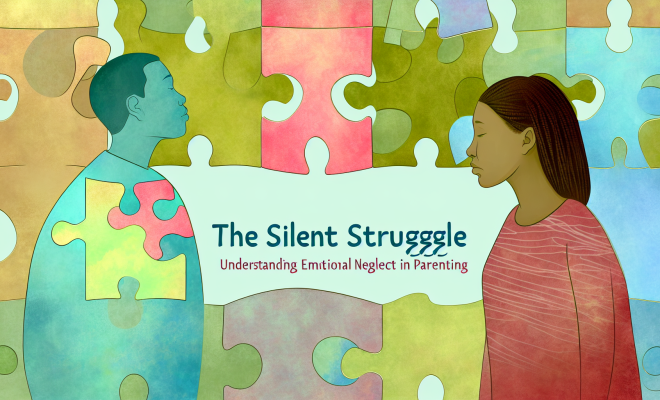
Childhood Emotional Neglect (CEN) is characterized not by overt acts of cruelty, but rather by a significant absence of emotional support and validation. Dr. Webb explains that emotional neglect is a ‘non-event’; it is the failure to recognize and validate a child’s feelings and emotional needs. This absence can lead to a lifetime of emotional distance and disconnect between parents and their adult children.
The Role of Parents
While many parents strive to provide a stable and secure environment for their children, they may inadvertently neglect the emotional aspect of parenting. Parents who are focused on providing materially—food, shelter, education—often neglect the importance of emotional availability. They may work tirelessly to protect their children from hardship, yet fail to engage in meaningful emotional exchanges.
Dr. Webb suggests that these parents often have the best intentions; they want to create a safe and supportive environment. However, their inability to connect on an emotional level can lead to a rift as their children grow. As a result, adult children may feel unloved, unimportant, or misunderstood, leading to infrequent visits or strained relationships.
The Impact of Emotional Neglect
The consequences of emotional neglect can be profound and long-lasting. Adult children who experienced CEN may struggle with a range of issues, including:
- Low Self-Esteem: Without emotional validation, children may grow into adults who question their worth and capabilities.
- Difficulty in Relationships: Trusting others and forming deep connections can become challenging when emotional needs were unmet during childhood.
- Feelings of Guilt or Shame: Adult children may feel guilty for distancing themselves from parents who provided materially, leading to internal conflict.
- Emotional Dysregulation: Individuals may struggle to identify or articulate their emotions, resulting in frustration and isolation.
Breaking the Cycle of Emotional Neglect
Recognizing patterns of emotional neglect is the first step towards healing for both parents and adult children. Here are some strategies that can help break this cycle:
- Open Communication: Encourage honest dialogue about feelings and experiences. Both parties should feel safe to express their emotions without judgment.
- Seek Professional Help: Family therapy or counseling can provide a safe space for discussing past emotional neglect and help build healthier communication patterns.
- Practice Emotional Availability: Parents can work on being more emotionally present and responsive to their children’s feelings, creating an environment that fosters connection.
- Set Boundaries: Adult children should establish clear boundaries that honor their emotional needs while also allowing for a relationship with their parents.
Creating an Emotionally Supportive Environment
True emotional availability involves more than just meeting physical needs; it requires creating an environment where children feel comfortable expressing their thoughts and feelings. Here are some ways parents can enhance their emotional presence:
- Validate Feelings: Acknowledge and validate your child’s feelings, regardless of whether you agree with them.
- Encourage Independence: Allow children to explore their interests and make their own decisions, fostering a sense of autonomy.
- Be Present: Spend quality time together, engaging in activities that promote emotional connection and dialogue.
Conclusion
The relationship between parents and their adult children is complex and deeply influenced by early experiences of emotional availability. While material provisions are essential, emotional support is equally crucial for fostering healthy, lasting relationships. Understanding the impacts of Childhood Emotional Neglect can pave the way for healing and reconnection, allowing families to build a more affectionate and fulfilling bond.