Israel-Lebanon Conflict: Environmental Devastation Unfolding
“`html
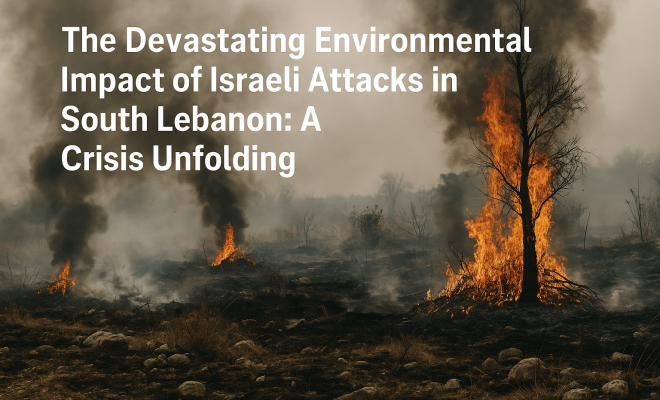
In recent years, the ongoing conflict in the Middle East has not only led to severe human casualties but has also resulted in catastrophic environmental damage. The environmental impact of Israeli attacks in South Lebanon has been profound, with reports highlighting agricultural destruction, toxic rubble, and pollution caused by the use of white phosphorus. In this article, we will delve deeply into these issues, analyzing the long-term consequences for the region’s ecology and public health.
Understanding the Context of Conflict in South Lebanon
South Lebanon has been a focal point of conflict and geopolitical tension for decades, particularly due to the ongoing disputes involving Israel and various militant groups. This area, rich in natural resources and agricultural potential, has witnessed repeated military engagements that have led to significant destruction. It is essential to understand how the military strategies employed in these conflicts have led to long-lasting repercussions for the environment.
The region’s history of conflict can be traced back to the Lebanon War of 1982 and subsequent skirmishes, including the 2006 Lebanon War. Each of these conflicts has left behind not just a legacy of human suffering but also an ecological crisis that has been largely overlooked in mainstream narratives. The current environmental impacts challenge the conventional understanding of warfare, emphasizing the need to consider ecological consequences alongside human casualties.
Agricultural Destruction and Food Security
One of the most alarming aspects of the environmental impact of Israeli attacks in South Lebanon is the destruction of agricultural lands. Fields once bursting with crops have been turned into barren landscapes, severely affecting local food security. The agricultural sector, which is the backbone of the Lebanese economy in this region, has been crippled due to incessant bombings and military operations.
According to reports by environmental organizations, including Greenpeace, entire fields have been obliterated, and vital irrigation systems have been damaged. As a result, farmers are left without the means to sustain their livelihoods. This agricultural destruction not only threatens immediate food supplies but also has long-term implications for the local economy and community resilience.
Statistics indicate that during the 2006 war alone, it was estimated that around 30% of Lebanon’s agricultural land was damaged or destroyed, resulting in significant economic losses that compounded the hardships faced by farmers. Additionally, surveys have shown that food prices in the region skyrocketed, affecting the most vulnerable populations who relied heavily on local produce.
Toxic Rubble: A Hidden Hazard
The aftermath of military attacks often leaves behind vast amounts of debris, much of which contains hazardous materials. The rubble from bombed buildings and infrastructure poses significant health risks to the local population. Contaminants within this debris can leach into the soil and water supply, causing long-term health issues for residents.
Moreover, Greenpeace has documented instances where the toxic remnants of war have found their way into the agricultural system, further compounding the risks to public health. Residents in South Lebanon, particularly children, are especially vulnerable to these toxins, which can lead to various health complications, including respiratory diseases and developmental issues.
A study conducted by the Lebanese Ministry of Health found that areas with higher concentrations of bombed sites reported increased levels of lead and other heavy metals in the soil, contributing to a surge in lead poisoning cases among children. The hidden hazards of toxic rubble present a humanitarian crisis that is often overlooked in discussions of conflict.
White Phosphorus Pollution: A Controversial Weapon
One of the most shocking aspects of the environmental impact of Israeli attacks is the documented use of white phosphorus, a chemical agent that can cause severe burns and injuries. Its deployment in populated areas raises serious ethical and environmental questions. In South Lebanon, the use of white phosphorus has resulted in toxic contamination of soil and water sources. (See: Environmental health and conflict.)
White phosphorus burns on contact with skin, causing horrific injuries, and when it ignites, it can produce toxic fumes that contaminate the air. The lingering effects of this chemical weapon can persist for years, affecting both human health and the surrounding ecosystem. The contamination of soil and water can disrupt local agriculture, leading to further economic instability and public health crises.
Reports from the 2006 conflict indicated that the use of white phosphorus was not only indiscriminate but also disproportionately affected civilian areas, leading to international condemnation. The long-term environmental consequences of its use underscore the need for stricter regulations on chemical warfare and greater accountability for those who employ these weapons in populated regions.
The Erasure of Woodlands: Biodiversity at Risk
The environmental impact of Israeli attacks extends beyond immediate human concerns; it encompasses the broader ecological web of life in South Lebanon. Military operations have resulted in the destruction of woodlands, which play a critical role in maintaining biodiversity. Forests serve as habitats for numerous species and are vital for carbon sequestration, soil stabilization, and water cycle regulation.
The loss of these woodlands contributes to habitat fragmentation, threatening the survival of various flora and fauna. Additionally, the destruction of these ecosystems disrupts the natural balance, leading to increased soil erosion, desertification, and a decline in local climate stability. This environmental degradation not only endangers wildlife but also exacerbates the challenges faced by the human population in the region.
Furthermore, the deforestation resulting from military operations has led to a noticeable decline in local wildlife populations. Species that once thrived in the forests, such as the Persian fallow deer and various bird species, now face increased risks of extinction due to habitat loss and fragmentation. Conservation efforts must be prioritized to restore these vital ecosystems and protect the biodiversity that remains.
Public Health Implications of Environmental Contamination
The intersection of environmental destruction and public health is particularly concerning in South Lebanon. The pollution from military actions has far-reaching consequences, leading to an increased incidence of health problems among the local populace. Contaminated air, soil, and water sources can result in diseases that may not manifest for years but can have devastating impacts on individuals and communities.
Healthcare systems in Lebanon are already strained due to ongoing conflict and political instability. The additional burden of treating diseases related to environmental contamination can overwhelm these systems, leading to an increase in mortality and morbidity rates. Furthermore, the psychological toll of living in an environment marked by violence and pollution cannot be overlooked, contributing to mental health issues among residents.
A survey by the World Health Organization indicated a significant rise in respiratory illnesses and cancers in regions heavily impacted by military actions, prompting health experts to call for urgent intervention and assessment of environmental factors contributing to these health crises. This reality emphasizes the need for comprehensive public health strategies that address both immediate and long-term health effects of environmental degradation.
International Response and Accountability
The international community has a critical role to play in addressing the environmental impact of Israeli attacks in South Lebanon. While humanitarian responses often focus on immediate human needs, there is an urgent need for recognition of the environmental consequences of warfare. Organizations like Greenpeace are advocating for greater accountability and transparency regarding military practices that lead to ecological destruction.
Calls for environmental justice in conflict zones are gaining momentum, emphasizing that environmental degradation should be treated as a serious violation of human rights. The international legal framework needs to evolve to better protect the environment in times of war, ensuring that nations are held accountable for the ecological consequences of their military actions.
Recent discussions at international summits have led to proposed frameworks that incorporate environmental protections into military engagement protocols, urging nations to consider the ecological impacts of their actions and prioritize sustainable practices even in times of conflict. (See: Environmental impact of Israel's actions.)
Case Studies: Lessons from Other Conflict Zones
To better understand the implications of environmental destruction in South Lebanon, it is helpful to look at case studies from other regions affected by conflict. For example, the Gulf War in the early 1990s led to extensive environmental damage due to oil spills, deforestation, and the use of chemical weapons. Similar patterns emerged in the former Yugoslavia, where military operations resulted in the degradation of natural resources, impacting local populations for years to come.
These historical precedents highlight the critical need for a comprehensive approach to addressing environmental destruction in conflict zones. Lessons learned from these cases can inform strategies to mitigate the long-term impacts of warfare on the environment and public health, emphasizing the importance of integrating environmental considerations into peace processes and post-conflict recovery efforts.
For instance, post-conflict recovery in the Balkans has involved significant efforts to restore damaged ecosystems, highlighting the potential for successful rehabilitation when environmental considerations are prioritized. The commitment to restoring natural habitats and ensuring sustainable practices could serve as a model for future interventions in South Lebanon.
Moving Forward: Strategies for Environmental Restoration
In light of the devastating environmental impact of Israeli attacks in South Lebanon, it is essential to explore strategies for ecological restoration and rehabilitation. Efforts must focus not only on immediate humanitarian needs but also on rebuilding the environment to ensure a sustainable future for the region’s inhabitants.
International collaboration will be vital in facilitating restoration projects, particularly in addressing soil and water contamination. Initiatives that involve local communities in restoration efforts can help empower residents and foster resilience. Education and awareness campaigns can also play a significant role in promoting sustainable agricultural practices that mitigate the harm caused by previous military actions.
Innovative restoration techniques, such as agroforestry and organic farming, could be employed to revive the agricultural sector while also restoring biodiversity. Programs that train local farmers in sustainable practices can help rebuild their livelihoods, ensuring that food security is prioritized alongside environmental restoration.
Moreover, the establishment of monitoring systems to assess environmental health and track recovery progress will be crucial. By utilizing technology such as satellite imagery and environmental sensors, stakeholders can gain insights into the recovery process, making adjustments as needed to enhance the efficacy of restoration efforts.
Frequently Asked Questions (FAQ)
What specific environmental impacts have resulted from Israeli attacks in South Lebanon?
The environmental impacts include agricultural destruction, soil and water contamination from toxic rubble and chemical agents like white phosphorus, loss of biodiversity through deforestation, and public health crises stemming from pollution and environmental degradation.
How do white phosphorus and other munitions affect the environment?
White phosphorus can contaminate soil and water sources, disrupt local ecosystems, and cause long-term health issues for residents. Its use contributes to the destruction of agricultural lands, further complicating food security and economic stability in the region.
What can be done to address the environmental impact of conflict?
Addressing the environmental impact of conflict requires a multi-faceted approach that includes international cooperation for restoration projects, implementation of sustainable practices in agriculture, and establishing legal frameworks that hold nations accountable for environmental destruction during warfare. (See: Research on environmental damage in conflict.)
What role does the international community play in this issue?
The international community can advocate for environmental justice, support restoration efforts, and push for legal accountability regarding military practices that result in ecological damage. Organizations like Greenpeace and other NGOs are crucial in raising awareness and mobilizing support for affected regions.
Are there examples of successful environmental restoration in post-conflict areas?
Yes, examples include efforts in the Balkans where post-conflict recovery programs have focused on restoring ecosystems, implementing sustainable agricultural practices, and fostering community involvement in rehabilitation efforts. These examples highlight the importance of integrating environmental considerations into recovery plans.
How can local communities contribute to environmental restoration?
Local communities can play a vital role by participating in tree planting initiatives, engaging in sustainable farming practices, and taking part in monitoring environmental health. Empowering communities through education and resources can enhance their capacity to restore and protect their environment.
What are the long-term effects of environmental degradation in conflict zones?
The long-term effects can include chronic health issues, loss of biodiversity, food insecurity, and economic instability. The environmental damage may take generations to heal, impacting future livelihoods and exacerbating existing vulnerabilities within affected populations.
What is the significance of biodiversity in post-conflict recovery?
Biodiversity is crucial for ecosystem resilience and human well-being. Reestablishing diverse ecosystems can help restore ecological balance, improve environmental health, and provide resources for communities, including food, medicine, and income through sustainable practices.
Conclusion: The Urgency of Addressing Environmental Consequences
The environmental impact of Israeli attacks in South Lebanon represents a complex issue that intertwines with human rights, public health, and ecological sustainability. The destruction of agricultural lands, the presence of toxic rubble, the use of hazardous chemicals like white phosphorus, and the erasure of woodlands all contribute to a crisis that demands urgent attention.
As we navigate the challenges posed by conflict and environmental degradation, it is imperative to recognize the interconnectedness of these issues. A concerted effort from local communities, international organizations, and governments is needed to address the long-term consequences of warfare on the environment and the health of affected populations. Only through a comprehensive approach that prioritizes ecological considerations can we hope to foster a sustainable future for South Lebanon and similar conflict-affected regions worldwide.
“`
Trending Now
Frequently Asked Questions
What is the environmental impact of Israeli attacks in South Lebanon?
Israeli attacks in South Lebanon have led to severe environmental damage, including agricultural destruction, toxic rubble, and pollution from substances like white phosphorus. These impacts not only threaten local ecosystems but also have long-term consequences for public health and food security in the region.
How has the conflict in South Lebanon affected agriculture?
The ongoing conflict has devastated agricultural lands in South Lebanon, turning fertile fields into barren landscapes. This destruction significantly threatens local food security, crippling the agricultural sector, which is vital for the Lebanese economy, particularly in this region.
What are the long-term ecological consequences of military actions in South Lebanon?
Military actions in South Lebanon have resulted in long-lasting ecological crises, including soil degradation, loss of biodiversity, and water contamination. These consequences complicate recovery efforts and pose significant challenges for future agricultural sustainability and public health.
Why is the environmental impact of warfare often overlooked?
The environmental impact of warfare is frequently overshadowed by the immediate human casualties and geopolitical narratives. This oversight neglects the critical ecological consequences that can have lasting effects on communities, ecosystems, and regional stability.
What role does white phosphorus play in environmental damage during conflicts?
White phosphorus, used in military operations, poses severe environmental risks, including soil and water contamination. Its deployment in conflicts leads to toxic remnants that can harm both human health and the surrounding ecosystem, compounding the long-term effects of warfare.
Have you experienced this yourself? We’d love to hear your story in the comments.