Mortgage Rates & Trends: What to Expect in 2026
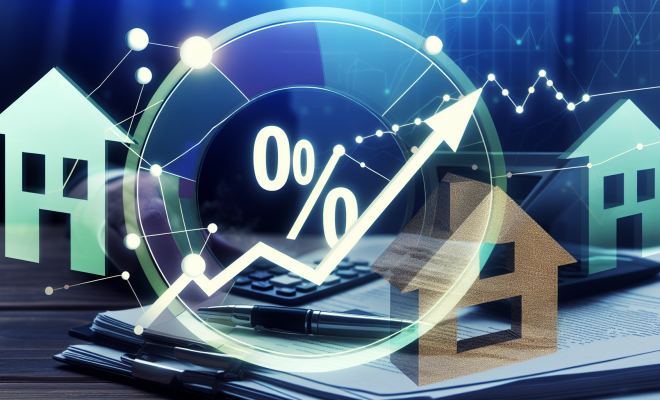
The landscape of mortgage rates in the United States is a dynamic one, marked by fluctuations that can significantly impact homebuyers and the real estate market at large. As of April 15, 2026, the average mortgage rates reflect both the current economic climate and the ongoing uncertainties that have gripped the market.
Current Mortgage Rates Overview
The average rate for a 30-year fixed-rate conforming mortgage in the U.S. stands at 6.279%. This marks a slight increase of one basis point from the day before, indicating a modest upward trend. On the other hand, the 15-year fixed-rate mortgage has seen a decline, currently averaging 5.689%, which represents a decrease of 11 basis points.
Understanding the Data Sources
The rates mentioned are derived from data provided by Optimal Blue, a leading platform for mortgage pricing and technology solutions. It is important to note that these rates reflect loans locked as of April 13, 2026, providing a snapshot of the mortgage market just a couple of days prior to the current date.
The Economic Context
The rise in mortgage rates, especially for the longer-term 30-year fixed mortgages, can be attributed to a variety of economic factors. Ongoing economic uncertainty continues to influence lender behavior and consumer confidence. These factors contribute to fluctuations in rates, which can impact the housing market significantly.
Impact on Mortgage Applications
The Mortgage Bankers Association (MBA) recently reported a decrease in mortgage applications, which fell by 0.8% for the week ending April 3, 2026. This decline can be largely attributed to the combination of higher mortgage rates and volatility in the financial markets, which have made potential buyers more hesitant. According to MBA Vice President Joel Kan, these elements are key factors suppressing demand in the housing market.
Why Higher Rates Affect Demand
- Affordability Issues: Higher mortgage rates translate into higher monthly payments, which can deter first-time homebuyers or those on a tight budget.
- Market Volatility: Economic instability can lead to uncertainty in the job market, making potential buyers more cautious about committing to a mortgage.
- Investment Decisions: With higher borrowing costs, investors may reconsider their plans to purchase rental properties or flip homes, further dampening demand.
The Future of Mortgage Rates
Looking ahead, the trajectory of mortgage rates remains uncertain. Analysts suggest that several factors will play a role in determining whether rates will continue to rise, stabilize, or potentially decline. These factors include:
- Federal Reserve Policy: Decisions made by the Federal Reserve regarding interest rates will have a direct impact on mortgage rates.
- Inflation Rates: Ongoing inflationary pressures could lead to further rate increases as lenders adjust to maintain profitability.
- Consumer Confidence: As confidence in the economy fluctuates, so too will the demand for mortgages, which can influence rates.
Advice for Homebuyers
For potential homebuyers navigating this complex landscape, there are several strategies to consider:
- Shop Around: Different lenders offer varying rates and terms. It’s beneficial to compare offers to find the best deal.
- Lock in Rates: If you find a favorable rate, consider locking it in to protect against future increases.
- Assess Your Budget: Be realistic about what you can afford with current rates, factoring in potential increases in monthly payments.
Conclusion
The current state of mortgage rates as of mid-April 2026 highlights the complexities of the U.S. housing market. With rates for 30-year fixed mortgages reaching 6.279% and the 15-year rate at 5.689%, potential homebuyers face both challenges and opportunities. Staying informed about market trends and economic indicators will be essential for navigating the mortgage landscape in the coming months.