The ROG Ally X20: One Feature Will Change Handheld Gaming Forever
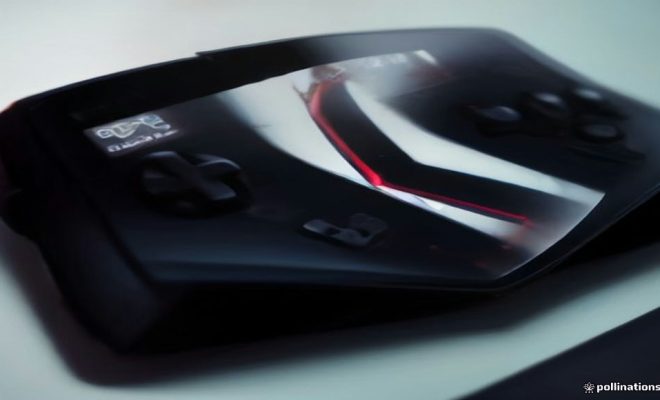
Alright, fellow gamers, let’s talk about something that’s got the portable gaming scene buzzing louder than a maxed-out cooling fan: the ASUS ROG Xbox Ally X20. Launched as a celebratory nod to ROG’s 20th anniversary, this isn’t just another incremental update; it feels like a genuine step forward for handheld PCs. We’re talking about a device that’s been reviewed extensively between October 15-18, 2026, and the consensus seems to be pretty clear: ASUS came to play.
If you’re anything like me, you’ve probably been eyeing the handheld market, maybe even dipped your toes in with a Steam Deck or a previous Ally. But the ROG Ally X20 review landscape suggests this new iteration is aiming for a different league entirely. It’s built for those who want a premium, no-compromise experience on the go, tackling everything from indie darlings to the most demanding AAA titles. So, what makes this cyber-inspired beast so compelling? Let’s break down the key features that are making waves and why you might just want to clear some space in your backpack for it.
1. The D-Pad Revolution: A Twist You Didn’t See Coming
Let’s kick things off with a feature that genuinely surprised me and, frankly, sounds like a stroke of genius: the rotating D-pad. Seriously, a rotating D-pad? It might sound niche, but think about it for a second. How many times have you felt like a fighting game input was just a hair off, or a platformer required an awkward thumb contortion for precise movement? This isn’t just about ergonomics; it’s about adaptability.
This innovative design allows players to adjust the D-pad’s orientation, potentially offering a more comfortable and precise experience for different game genres or individual playstyles. Imagine being able to subtly shift the D-pad’s angle to better suit a quarter-circle input in Street Fighter, or to find that perfect sweet spot for directional inputs in a retro emulation title. It’s a small detail that could have a massive impact on tactile feedback and player comfort, something often overlooked in the race for raw power. This kind of thoughtful hardware design is exactly what separates a good handheld from a truly great one, and it’s a major talking point in every ROG Ally X20 review I’ve seen.
2. A Feast for Your Eyes: 7.4-inch 120Hz HDR OLED Display
If there’s one thing that can immediately elevate a gaming experience, it’s the screen. And ASUS didn’t skimp here. The ROG Ally X20 boasts a gorgeous 7.4-inch 120Hz HDR OLED display. Let that sink in: OLED. This isn’t just about bigger; it’s about better. We’re talking about perfect blacks, vibrant colors, and incredible contrast that LCD panels just can’t match. HDR support further enhances this, bringing a level of visual fidelity that was once the exclusive domain of high-end TVs and monitors.
The 120Hz refresh rate is equally crucial, ensuring buttery-smooth gameplay, especially in fast-paced titles. Whether you’re dodging bullets in a shooter or executing precise maneuvers in a racing game, that higher refresh rate makes a tangible difference in perceived responsiveness and overall fluidity. When you combine the deep blacks of OLED with the speed of 120Hz and the punch of HDR, you’re not just playing a game; you’re immersing yourself in it. This display alone makes the ROG Ally X20 a compelling upgrade for anyone serious about portable visuals.
3. Powering the Punch: Ryzen AI Z2 Extreme Processor and 24GB RAM
Under the hood, the ROG Ally X20 is packing some serious heat with the Ryzen AI Z2 Extreme processor. This isn’t just a slight bump; it’s a significant leap forward in processing power for a handheld. Designed with integrated AI capabilities, this chip isn’t just about raw clock speed; it’s about intelligent performance optimization, potentially leading to better frame rates and more efficient power usage.
Coupled with a generous 24GB of RAM, this configuration means the Ally X20 is well-equipped to handle demanding AAA titles at respectable settings. More RAM means less reliance on slower swap files, allowing the system to keep more game assets and system processes in fast memory. For gamers, this translates to quicker loading times, smoother multitasking, and a greater ability to run graphically intensive games without stuttering. This powerful combination positions the ROG Ally X20 as a true contender in the high-performance handheld space.
4. Going the Distance: The Mighty 80Wh Battery
One of the biggest pain points for any portable gaming device has always been battery life. What’s the point of having all that power if your gaming session is cut short after an hour or two? ASUS seems to have listened intently, outfitting the ROG Ally X20 with a massive 80Wh battery. This is a substantial upgrade and one of the most exciting aspects highlighted in the early ROG Ally X20 review discussions.
An 80Wh battery promises significantly extended gaming sessions, meaning you can actually get through a substantial portion of a flight, a long commute, or an afternoon on the couch without constantly scrambling for a charger. While real-world battery life will always vary depending on the game and settings, this larger capacity provides a crucial buffer, offering peace of mind and allowing you to truly enjoy your portable gaming without constant anxiety about the power indicator. This is a game-changer for serious portable players.
5. Keeping Its Cool: An Improved Cooling System
With great power comes great heat, and that’s often been the Achilles’ heel of powerful handhelds. ASUS clearly understood this challenge, implementing an improved cooling system in the ROG Ally X20. While specifics on the design (vapor chambers, fan configurations, etc.) weren’t detailed in the summary, the fact that reviewers are noting its enhancement suggests a significant effort was made here. (See: Overview of handheld game consoles.)
An efficient cooling system is paramount for sustained performance. Without it, even the most powerful chips will throttle down to prevent overheating, leading to dropped frame rates and a less enjoyable experience. An improved system means the Ryzen AI Z2 Extreme can maintain its peak performance for longer periods, ensuring your AAA titles run smoothly even during extended play. This is a crucial, albeit often invisible, component that directly impacts the overall quality of your gaming sessions.
6. Enhanced Controls: New Sticks for Better Precision
Beyond the revolutionary D-pad, the ROG Ally X20 also features enhanced controls, specifically new sticks. While the exact improvements aren’t fully detailed, ‘enhanced’ usually implies better precision, durability, or tactile feel. This could mean hall-effect joysticks to combat stick drift, improved tension for more accurate aiming, or simply a more comfortable thumbstick cap design. For more context, see The Troubling Truth About Your Digital Games Ownership.
For competitive gamers or those who demand pixel-perfect accuracy in their inputs, the quality of the joysticks is non-negotiable. Poor sticks can ruin an otherwise great gaming experience. The promise of ‘new sticks’ suggests ASUS has iterated on previous designs, aiming to provide a more responsive, durable, and satisfying control experience across the board. Combined with the unique D-pad, the ROG Ally X20 is shaping up to be a control powerhouse.
7. Design That Stands Out: Cyber-Inspired Aesthetics
Let’s be honest, looks matter. While performance is king, nobody wants to carry around a clunky, uninspired brick. The ROG Ally X20 boasts a ‘cyber-inspired design,’ which aligns perfectly with ROG’s established aesthetic. This typically means sharp lines, perhaps some subtle RGB accents, and a futuristic, premium feel that screams ‘gaming hardware.’
A well-designed chassis isn’t just about aesthetics; it also contributes to ergonomics and the overall user experience. A comfortable grip, well-placed buttons, and a sturdy build quality all play a role. The cyber-inspired design suggests a focus on both form and function, aiming to deliver a device that not only performs exceptionally but also looks and feels great in your hands. It’s about creating a cohesive, premium package that you’re proud to show off.
8. AAA Performance in Your Pocket: Gaming on the Go
Ultimately, all these individual features coalesce into one overarching promise: the ability to play AAA titles on the go. This isn’t about running old indies or cloud streaming; this is about native, high-fidelity gaming in a portable form factor. With the Ryzen AI Z2 Extreme, 24GB RAM, and that stunning OLED display, the ROG Ally X20 is engineered to deliver a console-like experience in your hands.
Reviews consistently highlight its capability to handle demanding games, which is the ultimate benchmark for any serious gaming handheld. Imagine taking Cyberpunk 2077 or Alan Wake 2 with you on a trip, experiencing them with vibrant OLED colors and smooth frame rates. This level of portable performance was a pipe dream not long ago, and the ROG Ally X20 seems poised to make it a reality for a wider audience. It’s truly exciting to see what’s possible when hardware manufacturers push the boundaries like this.
9. The ROG Ally X20 Review Landscape: What’s the Buzz?
The timing of these reviews, coming out between October 15-18, 2026, positions the ROG Ally X20 at a crucial point in the handheld market. It’s entering a space where competition is heating up, with various players vying for the top spot. However, the consistent praise for its display, battery, and raw processing power suggests ASUS has crafted a device that stands out.
The excitement among gamers and tech enthusiasts is palpable. Discussions are rampant about how it compares to other handhelds on the market, with many drawing direct parallels to its performance against devices like the Steam Deck and other Windows-based handhelds. The consensus seems to lean towards the ROG Ally X20 offering a more premium, no-compromise experience, particularly for those who prioritize visual fidelity and raw horsepower. This device isn’t just about playing games; it’s about pushing the boundaries of what portable gaming can be.
10. Windows 11 and Gaming Ecosystem Integration
One critical aspect of the ROG Ally X20 that often gets overlooked in the rush to discuss raw specs is its operating system: Windows 11. This isn’t just a gaming device; it’s a full-fledged portable PC. What does that mean for you? It means unparalleled access to your entire gaming library, regardless of where you bought your games.
Steam, Epic Games Store, Xbox Game Pass, GOG, Battle.net, Ubisoft Connect – if it runs on Windows, it will likely run on the Ally X20. This open ecosystem is a massive advantage over more closed platforms. You’re not locked into a single storefront or a specific library. You can download and play games from any PC launcher, giving you an incredible amount of flexibility. Plus, with Windows 11, you also get all the productivity features of a regular computer. Need to quickly check an email, browse the web, or even do some light work? The Ally X20 can handle it, making it a truly versatile device that goes beyond just gaming. This level of integration into the broader PC gaming world sets it apart from many dedicated handheld consoles and makes it a powerful contender for your daily driver, not just a gaming gadget.
11. Connectivity Options: Beyond the Basics
In today’s interconnected world, a portable device is only as good as its ability to connect. The ROG Ally X20 doesn’t disappoint here, though specific details on its connectivity suite are still emerging. We expect robust Wi-Fi 6E support for ultra-fast, low-latency online gaming, crucial for competitive multiplayer titles or downloading massive game updates on the go. Bluetooth 5.2 or newer would also be a given, ensuring seamless connection to wireless headphones, controllers, and other peripherals without annoying dropouts or lag.
Beyond wireless, the physical ports are equally important. You’ll likely find at least one USB-C port, probably supporting Thunderbolt 4 or USB4. This isn’t just for charging; it allows for high-speed data transfer, external display output (imagine hooking your Ally X20 up to a monitor for a desktop-like experience), and connecting external GPUs for an even bigger performance boost when you’re at home. A dedicated headphone jack is also a must for many gamers, offering a reliable, low-latency audio solution. These connectivity features transform the Ally X20 from a simple handheld into a versatile mini-PC, ready for any scenario you throw at it. (See: Impact of gaming on health.)
12. Storage Solutions: Speed and Expandability
Games are getting bigger, and storage is always a concern for portable devices. While the exact internal storage options for the ROG Ally X20 haven’t been fully detailed, we can expect a fast NVMe SSD, likely in capacities ranging from 512GB to 1TB or even 2TB. This type of storage is vital for quick game loading times and a snappy overall system experience. No one wants to wait ages for their favorite AAA title to boot up.
Just as important as internal storage is expandability. A microSD card slot is almost guaranteed, allowing users to easily add hundreds of gigabytes, if not terabytes, of additional storage for their game libraries. This is a cost-effective way to expand capacity without having to open up the device or rely solely on cloud streaming. For a device aiming to run demanding games, having ample, fast storage is non-negotiable, and ASUS will undoubtedly provide options that meet the needs of even the most avid game collectors. For more context, see Brandon Stirrup's AI Stance: Why This Xbox Strategist Deletes Account And What It Means.
13. Ergonomics and Long-Term Comfort: More Than Just Specs
Let’s talk about something that can make or break a handheld experience: how it feels in your hands for hours on end. The ROG Ally X20’s “cyber-inspired design” isn’t just about looking cool; it’s about comfort. ASUS has a strong track record with ergonomics in their gaming peripherals, and that expertise likely carries over here. We’re talking about sculpted grips that fit naturally into your palms, textured surfaces to prevent slipping, and button placements that feel intuitive without requiring awkward stretches.
The weight distribution will be crucial. A device with an 80Wh battery can get heavy, so balancing that weight evenly across the chassis prevents wrist fatigue. Think about the slight angling of the screen, the responsiveness of the triggers, and the overall feel of the materials. These subtle design choices contribute significantly to long-term comfort, ensuring that your epic gaming sessions don’t end because your hands are cramping. A truly premium handheld isn’t just about power; it’s about how effortlessly it melts into your gaming experience.
14. The Competitive Landscape: Where the Ally X20 Stands
The handheld PC market is no longer a niche, it’s a battleground. The ROG Ally X20 enters a space populated by established players like the Steam Deck (especially its OLED iteration), and a growing number of Windows handhelds from companies like Lenovo (Legion Go) and MSI (Claw). So, how does the Ally X20 stack up?
Against the Steam Deck, the Ally X20 likely offers superior raw processing power with its Ryzen AI Z2 Extreme, a higher-resolution and faster OLED screen (7.4-inch 120Hz HDR vs. Steam Deck OLED’s 7.4-inch 90Hz OLED), and the full flexibility of Windows. The rotating D-pad and potentially enhanced sticks are unique differentiators. However, the Steam Deck benefits from Valve’s custom SteamOS, which is arguably more optimized for a handheld experience out of the box, and often a more competitive price point.
Compared to other Windows handhelds, the Ally X20’s 80Wh battery is a significant advantage, often surpassing its rivals in capacity. The Ryzen AI Z2 Extreme chipset with its AI capabilities could offer performance and efficiency gains that other chips lack. ASUS’s cooling expertise and the unique D-pad also give it an edge. Ultimately, the Ally X20 seems positioned as a premium option, aiming to deliver top-tier performance and features for those willing to invest in the best portable gaming experience available.
15. Future-Proofing and Longevity
Investing in a high-end gaming device means you want it to last. The ROG Ally X20, with its advanced Ryzen AI Z2 Extreme processor and 24GB of RAM, is designed with future-proofing in mind. The integrated AI capabilities in the chip suggest it’s ready for upcoming software optimizations and potentially even future AI-driven gaming features. This means the device won’t feel outdated as quickly as some of its less powerful predecessors.
Furthermore, ASUS’s commitment to releasing a device for their 20th anniversary implies a certain level of engineering quality and support. Regular software updates, driver optimizations, and community engagement are all factors that contribute to a device’s longevity. A robust cooling system also plays a part, ensuring the internal components are less stressed over time. While no tech is truly “future-proof,” the Ally X20’s specifications and thoughtful design choices aim to provide a premium gaming experience for years to come, not just months.
Frequently Asked Questions (FAQ) about the ROG Ally X20
Q1: What is the primary difference between the ROG Ally X20 and previous ROG Ally models?
The ROG Ally X20 features several significant upgrades. Key differences include the new Ryzen AI Z2 Extreme processor, a larger 80Wh battery, a 7.4-inch 120Hz HDR OLED display, an innovative rotating D-pad, enhanced joysticks, and an improved cooling system. These combine for a substantial leap in performance, battery life, and overall user experience.
Q2: Can I play my existing PC games from Steam, Epic Games, etc., on the ROG Ally X20?
Absolutely! The ROG Ally X20 runs on Windows 11, making it a full-fledged PC. This means you can install and play games from any PC game launcher (Steam, Epic Games Store, Xbox Game Pass, GOG, Battle.net, etc.) that is compatible with Windows. Your entire PC game library is accessible. (See: Recent trends in handheld gaming.)
Q3: How much battery life can I expect from the 80Wh battery?
While real-world battery life varies greatly depending on the game, settings, and screen brightness, the 80Wh battery is a substantial upgrade. For demanding AAA titles, you can expect significantly extended playtime compared to previous models and many competitors, potentially ranging from 2-4 hours or more. For lighter indie games or media consumption, it could last much longer.
Q4: What is the benefit of the rotating D-pad?
The rotating D-pad is designed for enhanced ergonomics and precision. It allows players to subtly adjust the D-pad’s orientation to better suit different game genres (like fighting games or platformers) or individual playstyles. This can lead to more comfortable inputs and greater accuracy, reducing strain during long gaming sessions.
Q5: Is the ROG Ally X20 screen an upgrade from the original Ally?
Yes, it’s a significant upgrade. The ROG Ally X20 features a 7.4-inch 120Hz HDR OLED display. This offers perfect blacks, incredibly vibrant colors, superior contrast, and a faster refresh rate compared to the original Ally’s LCD panel, providing a much more immersive and visually stunning gaming experience.
Q6: Does the ROG Ally X20 support external GPUs (eGPUs)?
While not explicitly detailed in the initial summary, previous ROG Ally models supported ASUS’s XG Mobile eGPU. Given the premium positioning and connectivity options (likely including Thunderbolt 4 or USB4 via USB-C), it’s highly probable the ROG Ally X20 will also support external GPUs, allowing for even higher performance when docked at home.
Q7: What kind of storage options and expandability does the ROG Ally X20 offer?
The ROG Ally X20 is expected to come with fast NVMe SSD internal storage (likely 512GB, 1TB, or 2TB options). Additionally, it will almost certainly include a microSD card slot for easy and cost-effective expansion of your game library.
Q8: How does the ROG Ally X20 compare to the Steam Deck OLED?
The ROG Ally X20 generally targets a more premium segment. It boasts a more powerful CPU (Ryzen AI Z2 Extreme), a faster and potentially higher-resolution OLED display (120Hz HDR vs. Steam Deck OLED’s 90Hz), and the full Windows 11 ecosystem. The Steam Deck OLED, while excellent, runs on SteamOS and often offers a more budget-friendly entry point, with a strong focus on Valve’s own ecosystem and optimizations.
Q9: Is the cooling system truly improved?
Yes, reviews highlight an improved cooling system in the ROG Ally X20. This is crucial for maintaining the peak performance of the powerful Ryzen AI Z2 Extreme processor during extended gaming sessions, preventing thermal throttling and ensuring a consistent, smooth frame rate.
The ROG Xbox Ally X20 isn’t just a celebration of ROG’s two decades in gaming; it’s a bold statement about the future of portable play. From its eye-popping OLED screen and the sheer grunt of the Ryzen AI Z2 Extreme to that intriguing rotating D-pad and a battery that promises actual longevity, ASUS has clearly put thought into every facet of this device. It’s a premium offering, no doubt, but one that looks to deliver a truly exceptional portable gaming experience. If you’re in the market for a high-end handheld, your decision just got a whole lot more interesting.
Trending Now
- the complete explanation
- our breakdown of baffling: the $25 billion meta privacy ruling that could reshape tech accountability
- this guide on the billion-dollar ai drug discovery problem nobody’s talking about
- this guide on the troubling truth about your digital games ownership
Frequently Asked Questions
What is the ROG Ally X20?
The ROG Ally X20 is a handheld gaming device launched by ASUS as a celebration of ROG's 20th anniversary. It's designed to provide a premium gaming experience, capable of handling both indie games and demanding AAA titles, making it a significant upgrade in the portable gaming market.
What makes the ROG Ally X20 unique?
One of the standout features of the ROG Ally X20 is its innovative rotating D-pad, which allows players to adjust its orientation for better comfort and precision. This adaptability enhances gameplay across different genres, making it a potentially game-changing feature for handheld gaming.
How does the rotating D-pad work?
The rotating D-pad on the ROG Ally X20 can be adjusted to suit individual playstyles and game requirements. This means you can change its angle for improved input accuracy, which is particularly beneficial for fighting games or platformers that require precise directional control.
Is the ROG Ally X20 worth buying?
If you're looking for a premium handheld gaming experience, the ROG Ally X20 is worth considering. Its advanced features, like the rotating D-pad and robust performance capabilities, position it as a leading option in the evolving portable gaming landscape.
When was the ROG Ally X20 reviewed?
The ROG Ally X20 was extensively reviewed between October 15-18, 2026. The reviews highlight its innovative features and overall performance, indicating that ASUS has made significant strides in enhancing the handheld gaming experience.
What did we miss? Let us know in the comments and join the conversation.