The Rise of Lab-Grown Foods: A Sustainable Revolution in Global Agriculture
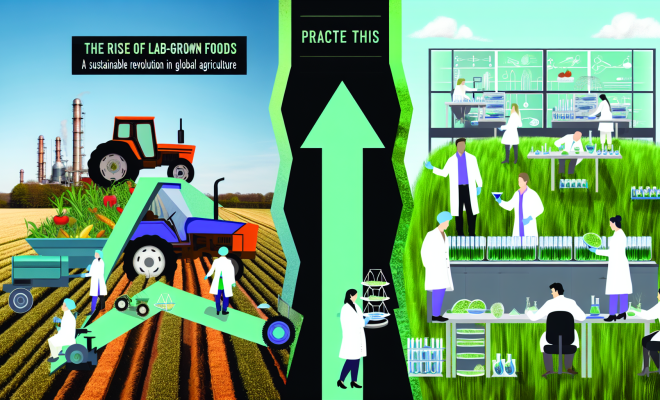
The global food landscape is evolving at an unprecedented pace, as traditional agricultural practices face challenges from climate change, population growth, and resource scarcity. A significant trend emerging from this transformation is the shift towards lab-grown staples. As of April 10, 2026, advancements in biotechnology are enabling the large-scale production of meat, dairy, and grains in controlled environments, promising sustainable alternatives to conventional farming.
Understanding Lab-Grown Foods
Lab-grown foods, also known as cultured or cell-based foods, are produced by cultivating animal cells or plant tissues in a laboratory setting, rather than raising animals or growing crops in the field. This innovative approach to food production has been made possible by significant investments in synthetic biology and biotechnology, leading to breakthroughs that could reshape our food systems.
Environmental Benefits
One of the primary advantages of lab-grown foods is their reduced environmental impact compared to traditional agricultural methods. Conventional livestock farming is a major contributor to greenhouse gas emissions, deforestation, and water pollution. In contrast, lab-grown meat and dairy products can be produced with significantly lower emissions and resource usage.
- Reduced Land Use: Lab-grown foods require much less land than traditional farming, which is essential as urbanization continues to encroach on arable land.
- Lower Water Consumption: The water footprint of lab-grown meat is substantially smaller, addressing one of the most pressing issues in water-scarce regions.
- Minimized Chemical Use: Cultured foods can be produced with fewer pesticides and fertilizers, reducing soil and water contamination.
According to industry projections, lab-grown foods are expected to comprise 20% of the global food market by 2030, indicating a significant shift in consumer preferences and agricultural practices.
Major Players in the Industry
The rise of lab-grown foods has attracted the attention of major firms in the synthetic biology sector. These companies are leveraging cutting-edge technology to scale production and enhance the quality of lab-grown products.
Some notable players in this burgeoning industry include:
- Eat Just: Known for its cultured chicken and egg products, Eat Just is a pioneer in the lab-grown food space, focusing on sustainability and consumer acceptance.
- Memphis Meats: This company has made headlines with its lab-grown beef and poultry products, aiming to provide a meat alternative that does not compromise on taste or texture.
- Perfect Day: Specializing in lab-grown dairy products, Perfect Day is redefining how we perceive dairy, offering products without the environmental toll of traditional dairy farming.
These companies, among others, are at the forefront of a movement that could redefine our relationship with food production.
Consumer Acceptance and Market Growth
The success of lab-grown foods is closely tied to consumer acceptance. As awareness of sustainability issues grows, many consumers are becoming more open to trying lab-grown alternatives. The perception of these products is shifting, with many people beginning to view them as not only viable alternatives but also as ethical choices.
Surveys indicate that a significant portion of consumers is willing to incorporate lab-grown products into their diets. Factors that influence acceptance include:
- Taste and Quality: If lab-grown foods can match or exceed the taste and quality of traditional options, consumers are more likely to embrace them.
- Health Benefits: Many lab-grown products are designed to be healthier, with lower fat content or the absence of antibiotics and hormones.
- Environmental Concerns: As climate change becomes a more pressing issue, consumers are increasingly motivated to make food choices that align with their values.
As the market for lab-grown foods expands, companies are also investing in marketing strategies to educate consumers and promote their products.
The Future of Food
As we look toward the future, the prospect of lab-grown staples becoming a mainstay in our diets is more promising than ever. The shift towards sustainable food systems is not just a trend but a necessity, driven by the urgent need to address environmental challenges and ensure food security for a growing global population.
With continued advancements in technology and increasing consumer acceptance, lab-grown foods are poised to play a pivotal role in reshaping how we produce and consume food. The journey toward a sustainable future is underway, and lab-grown staples are at the forefront of this revolution.
In conclusion, the transformation of global food systems through the introduction of lab-grown foods signifies a critical step towards sustainability. As we embrace this change, it is essential to remain informed and engaged, ensuring that the future of food aligns with our collective values and environmental goals.