The Digital Resurrection: AI-Generated Val Kilmer Takes Center Stage in Groundbreaking Movie
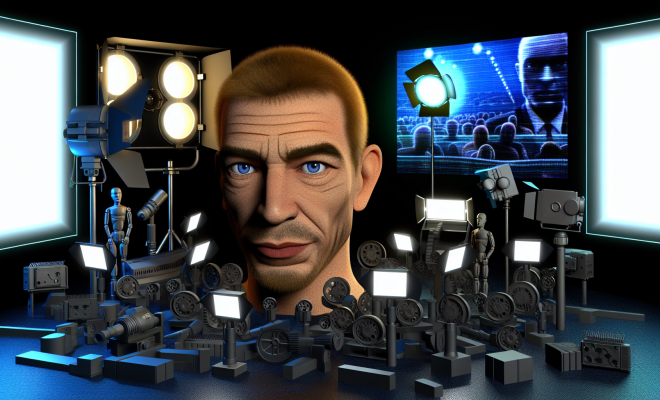
In a stunning leap forward for both technology and the film industry, an AI-generated version of esteemed actor Val Kilmer is set to star in a new movie. This innovative project, highlighted as one of the top news stories on April 10, 2026, marks a significant breakthrough in what many are calling digital resurrection technology.
A New Era in Entertainment
The ability to recreate an actor’s likeness and performance through artificial intelligence has long been a topic of speculation and experimentation in Hollywood. However, the announcement of Kilmer’s digital twin brings the concept to life in an unprecedented way. While the specific details of the film, including its title, release date, and production team, remain undisclosed, the implications of this technology are already sparking widespread conversation.
The Technology Behind the Magic
The AI technology responsible for resurrecting Kilmer’s likeness is rooted in advanced algorithms and machine learning techniques. By analyzing extensive footage of the actor’s previous performances, the AI can mimic his unique facial expressions, vocal tone, and mannerisms. This meticulous recreation not only aims to preserve Kilmer’s legacy but also allows filmmakers to explore narratives that might have been impossible otherwise.
Ethical Considerations
As with any groundbreaking technology, the use of AI to resurrect actors raises a host of ethical questions. Critics argue that this practice could undermine the integrity of the film industry, as it poses challenges in terms of consent, copyright, and the potential exploitation of an actor’s image after their passing.
- Consent and Legacy: One of the primary concerns revolves around whether actors have the right to control how their digital likeness is used posthumously. Val Kilmer, who has faced serious health challenges in recent years, has been open about his desire to continue contributing to the film industry. However, questions about consent remain crucial—particularly if the actor has not explicitly approved the use of their likeness.
- Creative Integrity: Filmmakers and screenwriters may face dilemmas related to the authenticity of performances. Can an AI-generated actor convey the same emotional depth as a living performer? This question prompts discussions about the essence of acting and storytelling.
- Commercial Exploitation: The potential for studios to capitalize on beloved actors’ likenesses raises concerns about the commodification of artistry. As AI technology becomes more prevalent, there is a risk that studios may prioritize profits over the artistic integrity of their projects.
Innovating Cinematic Storytelling
Despite the ethical concerns, the prospects of AI-generated performances offer exciting new avenues for storytelling. Filmmakers can create narratives that incorporate actors who may no longer be alive or revisit iconic characters in ways that resonate with contemporary audiences. This technology could enable filmmakers to tell stories that span generations, allowing actors to exist in films long after their physical presence is gone.
Potential Applications
Beyond just recreating past performances, AI technology can enhance the creative possibilities of filmmaking. Here are some potential applications:
- Character Revival: Iconic characters played by actors who have passed away could be brought back to life, allowing for sequels or spin-offs that would have otherwise been impossible.
- Historical Accuracy: Filmmakers could recreate historical figures with a level of accuracy that enhances the authenticity of biopics and period dramas.
- Enhanced Collaboration: AI can also enable actors to collaborate with their digital counterparts, leading to unique performance experiences and innovative storytelling methods.
A Future of Possibilities
As the industry grapples with these advancements, the future of AI-generated performances appears bright, albeit complex. The resurrection of Val Kilmer in this new film will undoubtedly be watched closely by audiences and industry professionals alike. As the film’s development unfolds, it will serve as a litmus test for the ethical and creative boundaries surrounding AI in entertainment.
Conclusion
The emergence of AI-generated actors like Val Kilmer symbolizes a transformative moment in cinema, blending technology and artistry in an unprecedented manner. While the ethical implications of this advancement cannot be overlooked, the potential for innovative storytelling is immense. As filmmakers and audiences navigate this new landscape, the conversation surrounding digital resurrection will continue to evolve, challenging our perceptions of performance, legacy, and creativity in the ever-changing world of entertainment.