The Rise of China’s ‘Plastic-Eating’ Food Trend: A Closer Look at Health Risks and Cultural Phenomena
Introduction
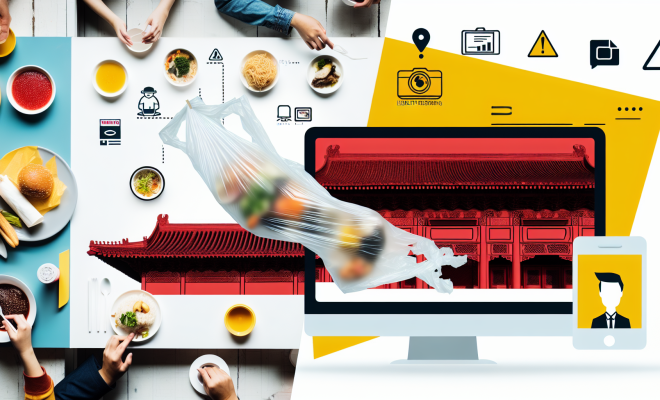
In recent months, a peculiar trend has emerged from the depths of China’s digital landscape, capturing the attention of food enthusiasts and health professionals alike. Dubbed the ‘plastic-eating’ food trend, this phenomenon involves ultra-processed foods that cleverly mimic the appearance, texture, and behavior of synthetic materials such as plastic. While these foods do not actually contain plastic, they have sparked a significant conversation about the implications of such consumption on health and well-being.
Understanding the Trend
The ‘plastic-eating’ food trend is characterized by its use of ingredients that create a visual and textural experience reminiscent of plastic items. From gelatinous textures to colorful, shiny finishes, these foods are designed to be visually striking, making them perfect for sharing on social media platforms where aesthetics reign supreme.
The Allure of Ultra-Processed Foods
Ultra-processed foods have long been a topic of debate among nutritionists and health experts. These products typically contain ingredients that are not found in a typical kitchen, including artificial flavors, colors, and preservatives. The appeal of such foods lies in their convenience and the sensory experience they provide. As people increasingly turn to social media for food inspiration, the visual impact of these ‘plastic’ foods has led to their viral popularity.
The Health Concerns
Despite their eye-catching presentation, health experts are expressing concern over the potential risks associated with consuming ultra-processed foods. The highly processed nature of these items raises questions about their nutritional value and the long-term effects on health.
Digestion and Energy Levels
One of the most pressing concerns regarding the consumption of ultra-processed foods is their impact on digestion. Many of these products lack essential nutrients and dietary fiber, which can lead to digestive issues such as bloating and constipation. Furthermore, the high sugar and fat content often found in these foods can lead to energy spikes followed by crashes, affecting overall energy levels throughout the day.
Potential Long-Term Health Effects
Beyond immediate digestive discomfort, the long-term health implications of indulging in such trends are significant. Research has shown that a diet high in ultra-processed foods can contribute to obesity, heart disease, and diabetes. The artificial additives and preservatives found in these products may also pose risks that are not yet fully understood.
Social Media’s Role in Promoting Food Trends
The rise of the ‘plastic-eating’ food trend is not just a reflection of changing tastes but also of the powerful influence of social media. Platforms like TikTok, Instagram, and Weibo serve as breeding grounds for food fads, where visually appealing content can quickly go viral.
The Power of Aesthetics
In an age where the visual appeal of food can make or break a trend, the ‘plastic-eating’ food phenomenon has capitalized on this notion. Bright colors, unique shapes, and unusual textures draw users in, prompting them to try these foods and share their experiences online. This cycle of consumption and sharing perpetuates the trend, making it difficult for consumers to resist the allure of these visually stunning products.
The Risk of Normalizing Ultra-Processed Foods
As trends like ‘plastic-eating’ gain traction, there is a risk that the normalization of ultra-processed foods could lead to a broader acceptance of unhealthy eating habits. Young consumers, in particular, may be more susceptible to the appeal of these products, especially when they are seen as trendy or innovative.
Cultural Context and Historical Precedents
The ‘plastic-eating’ food trend is not the first of its kind; it follows a pattern of unusual food fads that have emerged in recent years. From the viral sensation of rainbow-colored foods to the rise of edible glitter, each trend reflects a cultural moment and the desire for novelty in culinary experiences.
Recurring Internet Fads
- Rainbow Foods: Brightly colored dishes that often lack nutritional value.
- Edible Glitter: A trend that adds sparkle to food, often at the expense of health.
- Extreme Flavors: Dishes featuring bizarre combinations of sweet and savory elements.
These fads often start as harmless fun but can lead to more significant discussions about food choices and health. The ‘plastic-eating’ trend is likely to undergo a similar trajectory as consumers become increasingly aware of the implications of their food choices.
Conclusion
The ‘plastic-eating’ food trend exemplifies the intersection of culture, health, and social media in today’s culinary landscape. While it may appear harmless on the surface, the potential risks associated with consuming ultra-processed foods warrant careful consideration. As awareness grows, it is essential for consumers to navigate these trends mindfully, prioritizing their health and well-being over fleeting social media fame.
Final Thoughts
In conclusion, the rise of the ‘plastic-eating’ food trend serves as a reminder of the power of aesthetics in the food industry and the potential consequences of our dietary choices. As we embrace new culinary experiences, it is vital to remain informed about the nutritional value and health implications of the foods we consume. By doing so, we can enjoy the excitement of new trends while safeguarding our health for the long term.