Data Centers Threaten States’ Clean Energy Aspirations
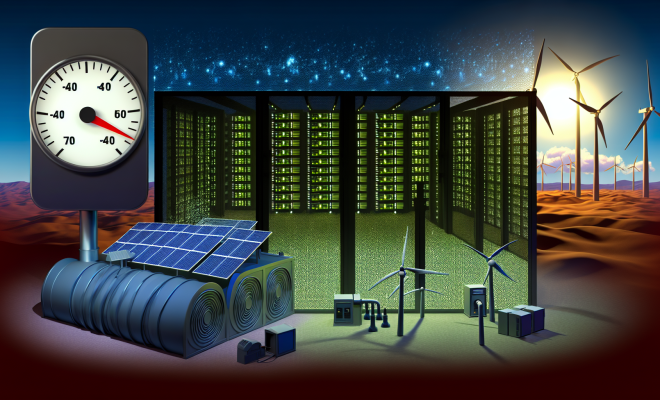
As the U.S. embarks on an ambitious journey toward clean energy, a significant challenge has emerged: the burgeoning demand for electricity from data centers. These facilities, which are essential for powering the digital world, are increasingly undermining state and utility efforts to meet renewable energy targets. A recent warning from Nevada’s largest utility company exemplifies this dilemma, suggesting that the state’s goal of achieving 50% renewable power by 2030 may be at risk due to the insatiable energy appetite of proposed data centers.
The Rising Demand for Electricity
Nevada’s utility company recently revealed that the anticipated electricity consumption from upcoming data centers could reach levels three times greater than the power needed for Las Vegas. This staggering demand is a microcosm of a nationwide trend, where utilities are grappling with the consequences of expansive data center growth driven largely by advancements in artificial intelligence (AI) and digital technology.
Impact on Clean Energy Goals
The implications of this increased energy consumption are profound. As states set ambitious clean energy goals, they are now confronted with the reality that the rapid expansion of data centers might force them to pivot from their plans for renewable energy sources. This could lead to a greater reliance on fossil fuels, counteracting the progress made toward sustainable energy.
For instance, in Nevada, the state’s commitment to a 50% renewable energy goal by 2030 now hangs in the balance. The utility’s warning serves as a stark reminder that the path to clean energy is fraught with challenges that must be addressed proactively.
A Nationwide Challenge
The issue is not confined to Nevada alone. Across the United States, utilities are struggling to balance the demands of data centers with their renewable energy commitments. The rapid integration of AI technologies has led to an explosion in data processing needs, resulting in a surge of new data centers. These facilities require vast amounts of electricity, often outpacing available renewable energy resources.
- Data Center Growth: The proliferation of data centers is largely driven by the demand for cloud computing and AI applications.
- Increased Energy Needs: Data centers are notorious for their high energy consumption, which can lead to significant spikes in electricity demand during peak periods.
- Strain on Infrastructure: Existing energy infrastructures are often ill-equipped to handle the additional load from these facilities.
Political and Economic Pressures
The political landscape complicates the situation further. The Trump administration’s policies, which encouraged the use of coal and other fossil fuels, have made it easier for utilities to justify reliance on non-renewable energy sources to meet the growing demands of data centers. This has raised concerns among environmentalists and clean energy advocates, who fear that the progress made in reducing carbon emissions could be reversed.
At the same time, major technology firms are facing pressure to adapt their climate commitments to accommodate the needs of AI and data processing. Many companies have pledged to reduce their carbon footprints, yet the rapid growth in demand for data-driven services is prompting a reevaluation of these commitments.
Looking Forward: Potential Solutions
While the challenges presented by data centers are significant, there are potential solutions that could help reconcile the demands of digital infrastructure with clean energy goals. Here are a few strategies that could be considered:
- Investment in Renewable Energy: Utilities must ramp up investments in renewable energy projects, such as wind and solar, to ensure a sustainable power supply for data centers.
- Energy Efficiency Initiatives: Data centers can adopt energy-efficient technologies and practices to reduce their overall consumption of electricity.
- Policy Support: State and federal governments can implement policies that incentivize clean energy technologies and penalize excessive reliance on fossil fuels.
- Collaboration with Tech Firms: Partnerships between utilities and tech companies can lead to innovative solutions for managing energy consumption effectively.
Conclusion
The intersection of data centers and renewable energy presents a complex challenge for states across the U.S. As the digital landscape continues to evolve, so too must our approach to energy consumption and sustainability. Nevada’s warning serves as a clarion call for proactive measures to ensure that clean energy goals are not only met but exceeded. The balance between technological advancement and environmental responsibility is delicate, and finding a sustainable path forward is essential for the future of energy in America.