West Virginia’s Soaring Electric Bills: A Crisis Amidst Energy Riches
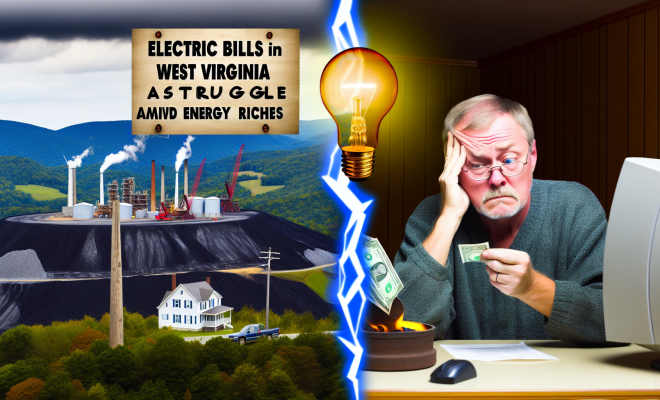
In the heart of the Appalachian Mountains, West Virginia is known for its abundant natural resources, particularly coal. Yet, for many residents like Rebecca Michalski, the reality of living in an energy-rich state has become a burden. Michalski’s electric bill in February reached a staggering $940, a figure that surpasses not just her monthly income but also the cost of her rent and mortgage. This situation has sparked outrage among West Virginians, who feel the weight of rising energy costs while living in a state that should benefit from its own resources.
The Disconnect Between Resources and Costs
West Virginia is home to some of the largest coal reserves in the United States, and the state has historically relied on coal mining as a primary economic driver. However, despite these resources, many families are now facing crippling electricity bills, forcing them to make impossible choices between heating their homes and buying food.
Thousands of residents have taken to social media to express their frustrations, with hashtags trending that highlight their struggles. The stark reality is that in a state known for its energy production, families are increasingly burdened by costs that seem to contradict their environment.
Promises Unfulfilled: The Trump Administration’s Energy Policies
During his presidency, Donald Trump made several promises aimed at revitalizing the coal industry, which included cutting electric costs in half and rolling back regulations that he argued were detrimental to coal production. His administration proposed increased funding for coal mining operations, with the intention of bringing jobs back to the region. However, the results have been less than promising.
Despite Trump’s initiatives, West Virginia has seen the closure of numerous coal plants and the loss of over 700 jobs in the mining sector. Many workers have found themselves without employment, and those who remain in the industry are often left with the burden of higher operational costs. The aftermath of these policies has led to a paradoxical situation where energy bills are soaring, and the very job market Trump promised to revive remains stagnant.
The Blame Game: Prior Administrations and Current Realities
In response to the rising electricity costs, the current administration has often pointed fingers at previous governments, claiming that the policies implemented prior to their time in office are largely to blame for the ongoing crisis. Critics argue that this is an insufficient explanation for the current financial strain faced by West Virginia residents.
Families like Michalski’s are not simply statistics; they represent a growing number of people who are struggling to make ends meet. With energy costs skyrocketing, many are left feeling abandoned by politicians who made promises they have not fulfilled.
Making Hard Choices: The Human Impact of Rising Costs
The emotional and financial toll of these rising energy costs can be devastating. Families are forced to make difficult choices, often prioritizing heat over food. The situation has led to an increase in anxiety and distress among residents, who feel trapped in a cycle of poverty exacerbated by high utility bills.
- Heat vs. Food: Many families report having to sacrifice meals to keep their homes warm during the cold months.
- Health Risks: The inability to afford heating can lead to health issues, particularly for vulnerable populations such as the elderly and children.
- Community Unrest: As frustration grows, so does a sense of community unrest, with calls for action becoming increasingly vocal.
A Call for Action: The Future of Energy in West Virginia
As the energy crisis continues to unfold in West Virginia, many are calling for a reevaluation of energy policies that prioritize the needs of the residents over the interests of corporations. Advocates argue that the state must invest in sustainable energy solutions that can provide affordable electricity while also creating jobs.
The transition to renewable energy sources presents an opportunity for West Virginia to redefine its energy landscape. By investing in wind, solar, and other renewable resources, the state could reduce its reliance on coal and lower energy costs for families.
Conclusion: What Lies Ahead for West Virginians
The struggle against rising electric bills in West Virginia serves as a stark reminder of the disconnect between energy production and affordability. As families like Rebecca Michalski’s face the harsh realities of living in a resource-rich yet economically challenged state, the need for change becomes increasingly urgent.
With a growing chorus of voices advocating for better energy policies, the future of energy in West Virginia may still hold promise. It remains to be seen whether policymakers will heed the call for action or continue down a path that leaves many residents in the dark.