The Silent Struggle: Understanding the Loneliness of the Boomer Generation
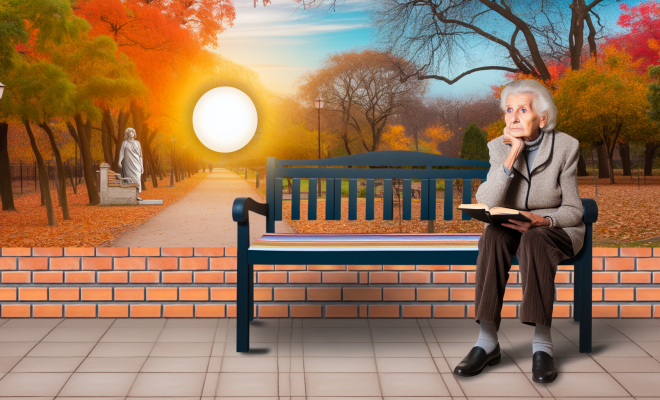
The Baby Boomer generation, often stereotyped as entitled and nostalgic, carries a burden that is seldom discussed: a profound sense of loneliness rooted in their upbringing and cultural conditioning. This complex emotional landscape, shaped by a societal emphasis on self-reliance and emotional suppression, reveals a deeper narrative about the challenges faced by those now entering their seventies. As we explore this topic, we uncover how the boomer generation’s experiences of isolation and emotional disconnect are not merely personal failings, but rather, the result of a lifetime of societal expectations and psychological impacts.
The Foundation of Self-Reliance
Born between 1946 and 1964, Baby Boomers were raised during a time when the ideals of independence and self-sufficiency were paramount. Many were taught to ‘tough it out’ and suppress their emotions, leading to a cultural norm where vulnerability was seen as a weakness. According to psychologist Dr. Ernesto Lira de la Rosa, this upbringing has profound implications for their emotional health in later life.
Emotional Suppression and Its Consequences
The emphasis on self-reliance often meant that Baby Boomers learned to navigate challenges without seeking help or expressing their feelings. This emotional suppression, while potentially useful in their younger years, has contributed to a range of psychological issues as they age, including:
- Stress: The pressure to maintain a facade of independence can lead to chronic stress, impacting both mental and physical health.
- Anxiety: The inability to express emotions can manifest as anxiety, particularly when facing the uncertainties of aging.
- Physical Health Issues: Research indicates a strong link between mental well-being and physical health, meaning that suppressed emotions can lead to serious health concerns.
The Loneliness Epidemic
Despite the stereotype that Baby Boomers are less lonely than younger generations, research by Cigna reveals a startling statistic: 44% of Boomers report feeling lonely. While this figure is significantly lower than the 71% of Gen Z who experience loneliness, it highlights a critical issue that deserves attention.
The Nature of Loneliness Among Boomers
Loneliness among Baby Boomers is nuanced and often stems from their learned behaviors and societal expectations. As they age, many find themselves facing:
- Loss of Social Connections: Retirement, the death of peers, and children moving out can lead to diminished social circles.
- Difficulty in Forming New Relationships: The cultural conditioning that emphasizes self-reliance can make it difficult for Boomers to reach out and build new friendships.
- Emotional Disconnect: Years of suppressing emotions can create barriers to forming deep, meaningful connections with others.
Breaking the Cycle: The Need for Connection
Recognizing the deep-seated loneliness experienced by many Baby Boomers is the first step toward addressing the issue. As they navigate this stage of life, it is essential for them to understand the importance of building connections and seeking support.
Strategies for Overcoming Loneliness
To combat loneliness, Baby Boomers can adopt several strategies to foster social connections and enhance their emotional well-being:
- Engaging in Community Activities: Participating in local clubs, volunteer opportunities, or group classes can provide avenues for social interaction.
- Reaching Out to Friends and Family: Encouraging regular communication with loved ones can help maintain important relationships.
- Seeking Professional Help: Therapy or counseling can provide a safe space to explore emotions and develop coping mechanisms for loneliness.
- Practicing Vulnerability: Learning to express feelings and share experiences can pave the way for deeper connections.
The Role of Technology
In today’s digital age, technology serves as both a bridge and a barrier for Baby Boomers. While some may struggle to adapt to new technologies, others have found innovative ways to connect with friends and family through social media, video calls, and online communities. Embracing technology can offer Boomers new opportunities to foster relationships, especially with younger generations.
Leveraging Technology for Connection
Here are some ways Baby Boomers can utilize technology to combat loneliness:
- Video Calls: Tools like Zoom or Skype allow for face-to-face interaction with loved ones, regardless of distance.
- Social Media: Platforms such as Facebook can help Boomers stay connected with friends and share updates about their lives.
- Online Communities: Joining forums or groups that focus on shared interests can create a sense of belonging and connection.
Encouraging a Cultural Shift
To truly address the issue of loneliness among Baby Boomers, a cultural shift is necessary. Society must recognize the importance of emotional expression and the value of vulnerability. Encouraging open discussions about mental health and loneliness can help dismantle the stigma associated with seeking support.
Fostering Empathy and Understanding
As a community, we can work towards fostering greater empathy and understanding for the challenges faced by the Boomer generation. This includes:
- Encouraging Intergenerational Relationships: Promoting connections between younger and older generations can help bridge the gap and create mutual understanding.
- Raising Awareness: Initiatives that highlight the emotional struggles of Boomers can help cultivate a more supportive environment.
- Providing Resources: Offering accessible mental health resources and support networks can empower Boomers to seek help when needed.
Conclusion: A Call to Action
The loneliness experienced by the Baby Boomer generation is a complex issue that requires understanding and compassion. By recognizing the cultural influences that have shaped their experiences and encouraging connection, we can help this generation navigate their emotional landscape more effectively. As we move forward, it is crucial to foster an environment where vulnerability is celebrated and emotional health is prioritized, ensuring that no one has to face their later years in isolation.