Houthi Escalation: U.S.-Israeli-Iran Conflict & Global Economy
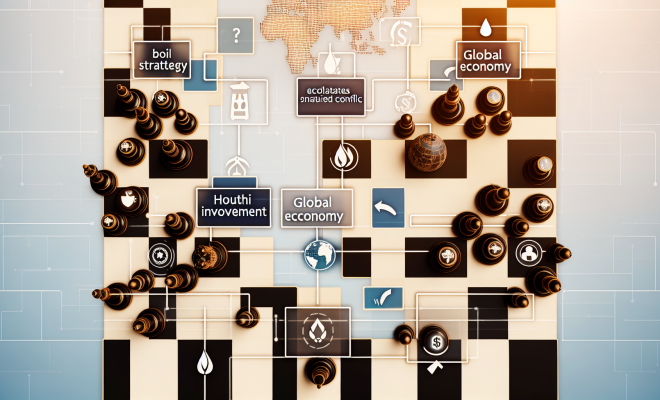
The ongoing conflict in the Middle East has taken a new and dangerous turn with the entry of Houthi forces from Yemen into the fray of the U.S.-Israeli war against Iran. This escalation marks a significant shift in the dynamics of the conflict, raising concerns not only about regional stability but also about potential repercussions for the global economy.
Houthi Forces Join the Fray
Recent developments indicate that Houthi forces, who have been engaged in a protracted civil war in Yemen, are now aligning themselves with the Iranian side of the conflict. This partnership is alarming for several reasons. Firstly, it adds another layer of complexity to an already multifaceted conflict, as the Houthis possess significant military capabilities and have previously demonstrated their willingness to engage in aggressive actions.
Reports suggest that the Houthis have launched strikes against targets affiliated with U.S. and Israeli interests in the region, which could lead to further retaliatory actions. The implications of this involvement could reverberate across the Middle East, complicating diplomatic efforts and escalating military responses.
Impact on Global Economy
The intersection of the Houthi entry into the conflict and the existing tensions between the U.S., Israel, and Iran poses a serious threat to the global economy. As hostilities escalate, there is a heightened risk of disruptions to key trade routes, particularly in the Persian Gulf, through which a significant percentage of the world’s oil supply is transported.
Potential economic consequences could include:
- Increased oil prices due to supply chain disruptions.
- Heightened uncertainty in global markets, leading to volatility in commodities and stocks.
- Potential sanctions and economic measures that could further isolate Iran and its allies, impacting regional trade.
Analysts warn that any sustained military engagement could lead to long-term economic ramifications, particularly in nations that rely heavily on oil imports. The ripple effects could be felt globally, affecting everything from fuel prices to inflation rates.
Diplomatic Efforts in the Midst of Conflict
In response to the escalating tensions, Pakistan has stepped forward as a potential mediator by announcing a meeting of Middle Eastern powers scheduled for Monday. This gathering will include foreign ministers from key nations such as Saudi Arabia, Turkey, and Egypt, who will convene to discuss a regional solution to the crisis.
While this initiative is a positive step towards dialogue, the effectiveness of the meeting may be compromised by the absence of the primary warring parties. Both the Houthis and Iran have not been included in these discussions, raising questions about the viability of any proposed solutions.
The U.S. has claimed progress in terms of diplomatic efforts, but skepticism remains regarding the actual impact of such meetings, especially when the parties directly involved in the conflict are not present. Observers note that without the inclusion of all stakeholders, any resolutions may lack the necessary legitimacy to foster lasting peace.
U.S. Military Presence in the Region
Compounding the situation is the recent deployment of U.S. Marines to the region, which signals Washington’s commitment to countering Iranian influence. This military buildup is a direct response to the heightened tensions and serves as a deterrent against further aggression from Iranian-backed forces, including the Houthis.
U.S. officials have emphasized the need for a robust military presence to protect American interests and allies in the Middle East. However, this approach carries its own risks, as it could provoke retaliatory actions from Iranian forces, thereby escalating the conflict into a broader war.
Conclusion: A Complex Web of Conflict
The entry of Houthi forces into the U.S.-Israeli war with Iran marks a concerning escalation in an already volatile region. With economic implications that could extend well beyond the Middle East, the international community must closely monitor developments and engage in meaningful diplomatic efforts.
The upcoming meeting in Pakistan represents a critical opportunity for dialogue, but the absence of key players raises doubts about its potential effectiveness. As military maneuvers continue and hostilities intensify, the path toward de-escalation remains fraught with challenges. The world watches anxiously as the situation unfolds, aware that the stakes have never been higher, both for regional stability and global economic health.