Trump Warns Iran: Act Fast on Strait of Hormuz Diplomacy
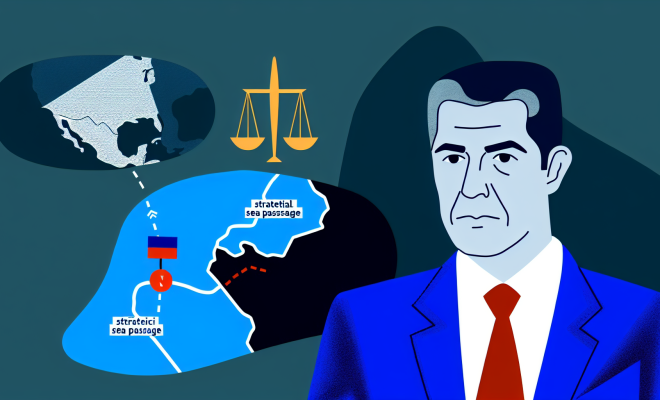
In a recent statement, former President Donald Trump has heightened tensions regarding Iran’s actions in the strategically vital Strait of Hormuz. On Thursday, Trump acknowledged that Iran has permitted a limited number of oil tankers to transit the strait, hinting at the possibility of back-channel diplomatic discussions between the two nations. However, he urged Iranian leaders to expedite these negotiations, cautioning that time is running out.
The Context of Tensions
The Strait of Hormuz is a crucial maritime corridor, facilitating the passage of a significant percentage of the world’s oil supply. Given its importance, any disruptions or hostilities in this region can have far-reaching implications for global oil prices and geopolitical stability.
In his message shared on Truth Social, Trump did not mince words, stating, “They better get serious soon, before it is too late, because once that happens, there is NO TURNING BACK, and it won’t be pretty!” This warning reflects a broader concern among U.S. political leaders regarding Iran’s intentions and actions in the region.
Political Implications and Economic Pressures
This unfolding scenario comes at a time when the fallout from ongoing conflicts is affecting U.S. domestic politics and economic conditions. The rising gas prices, which are linked to instability in oil supply chains, have become a focal point for voters as the country approaches critical midterm elections.
- Rising Gas Prices: The impact of global oil prices on U.S. consumers cannot be understated. With prices at the pump rising, voters are increasingly concerned about their economic well-being.
- Polling Effects: As tensions with Iran escalate, political analysts are monitoring how these events influence voter sentiment and preferences leading up to elections.
- Back-Channel Diplomacy: The limited progress in negotiations between the U.S. and Iran may reflect a strategic approach by both nations to navigate a complex landscape.
U.S.-Iran Relations: A Historical Overview
The relationship between the United States and Iran has been fraught with tension since the 1979 Iranian Revolution. Various administrations have attempted to engage with Iran, often with limited success. Trump’s presidency was marked by a withdrawal from the Iran nuclear deal, a move that further strained relations. The current situation underscores the delicate balance of power in the Middle East and the potential for conflict.
Significance of the Strait of Hormuz
The Strait of Hormuz is not just a narrow waterway; it is a geopolitical flashpoint. Approximately 20% of the world’s oil passes through this strait, making it a critical artery for global energy supplies. Any disruption in this region could lead to skyrocketing oil prices, affecting economies worldwide.
Trump’s warning reflects a broader concern among U.S. officials regarding Iran’s military capabilities and its willingness to assert control over this crucial maritime route. The potential for conflict in this area remains a serious concern for both regional and global powers.
Public Reaction and Future Outlook
The public response to Trump’s statements has been mixed. Supporters echo his calls for a strong stance against Iran, while critics argue that inflammatory rhetoric could escalate tensions unnecessarily. As the United States grapples with its foreign policy direction, the need for a balanced approach becomes increasingly apparent.
Looking ahead, the trajectory of U.S.-Iran relations will likely depend on several factors:
- Diplomatic Engagement: Continued back-channel talks may provide a pathway to de-escalate tensions.
- Economic Considerations: The impact of oil prices on the U.S. economy will keep this issue at the forefront of political discourse.
- Geopolitical Dynamics: The actions of other regional players, including Saudi Arabia and Russia, will also influence the situation.
Conclusion
As the situation in the Strait of Hormuz unfolds, the implications for U.S. foreign policy, domestic politics, and global economic stability are profound. Trump’s warning serves as a reminder of the complexities involved in international relations and the urgent need for effective diplomacy. With the midterm elections on the horizon, the stakes have never been higher for both U.S. leaders and voters alike.