The Metaverse Will Benefit eLearning
The multiverse is the latest buzzword in the tech sector. It will strengthen the eLearning industry. We can get closer to designing the metaverse by incorporating VR and AR technologies into eLearning programs.
What Impact Will the Metaverse Have on the eLearning Industry?
Physical learning has long dominated the overall environment for learning and teachers all around the world. Following the pandemic, digital learning exploded and spread to the majority of institutions, converting the traditional learning model into a more technologically-driven learning approach.
Artificial Intelligence (AI), Augmented Reality (AR), and Virtual Reality (VR) technologies have built a solid foundation and are ready to turn the physical world into virtual space. When it comes to AR and VR technologies and apps, Facebook’s Meta update has caused quite a stir in the IT world. A basic question arises: what exactly is the metaverse?
What Exactly Is The Metaverse?
Mark Zuckerberg’s recent introduction of the multiverse to the world piqued everyone’s interest in learning more about the concept. The metaverse is an online social realm in which users can build their avatars, personalize them, and engage in real-life activities.
Facebook is morphing into Meta because it is poised to build a virtual social space that is focused on digital interactions. Companies such as Microsoft, Nvidia, and League Of legends are developing technology and software to promote Vr Technology. Because the multiverse is not 2 different projects, corporations must continue to develop robust and mature technology that can be used by apps. However, there are a few technologies that are already assisting the ideals underlying the metaverse.
Metaverse-Enabling Technologies
Meta has committed ten billion dollars to wearable VR and AR technology, demonstrating the metaverse’s prominence.
- VR (Virtual Reality)
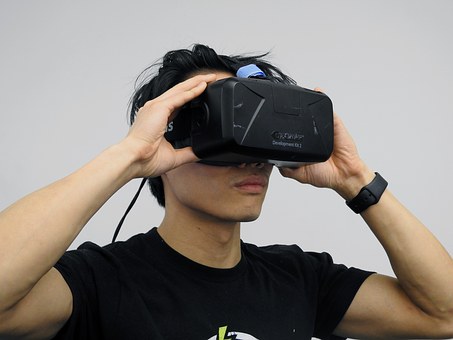
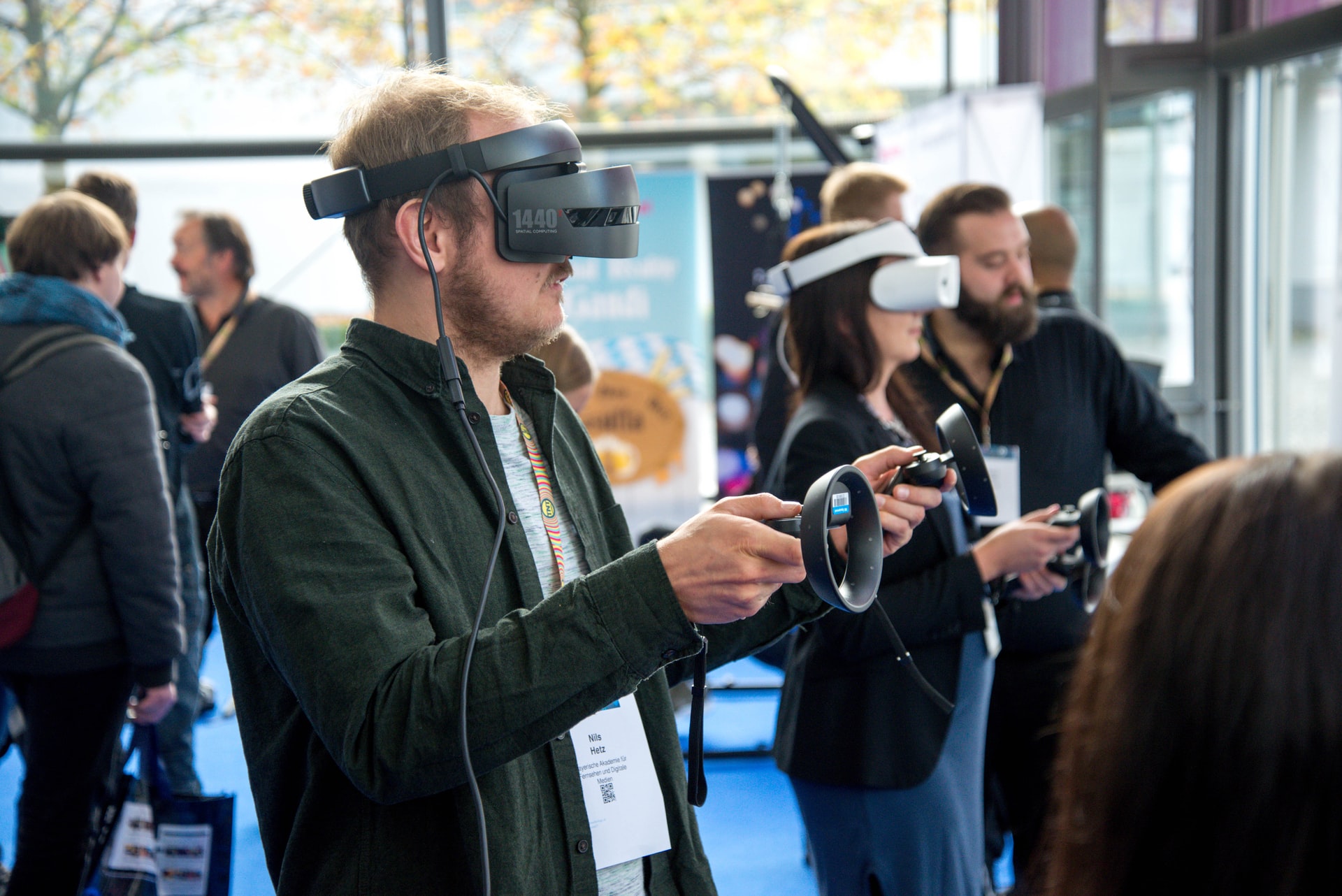
Virtual refers to a computer environment in which people interact as if they were in the actual world. One of the more notable examples of VR is in the video gaming business, where gamers wear Virtual reality headsets and glasses to enter the virtual gaming world. Gamers can strike, run, and experience all of the actions represented in the plot.
- Augmented Reality
Augmented Reality generates visual elements in a natural setting, where things interact with the surroundings. Pokémon GO is an outstanding demonstration of an Integrated Reality game in which pokémons and players interact with the actual environment. Holographic technology is another kind of AR, in which a 3D layer is created by picture diagnosis and characterization. As just a result, it can deliver a superior video experience, streaming live and 3D visualization for eLearning systems.
The metaverse, in addition to VR and AR technology and apps, combines certain benefits that offer up new potential for the public.
The Metaverse’s Advantages
Because it focuses on getting Virtual Reality closer to experience, the metaverse has various advantages for the general population.
- A World Beyond Boundaries
People perceive the digital domain of a meta world to be comparable to the reality they experience regularly. In video games, users create, drive, shoot, act out storylines, and live the lives of game characters. GTA 5 offers a solid simulation for gamers, but they cannot feel or contact the world. The metaverse immerses players in a 3D virtual world in which they can roam and engage in a variety of activities.
- Resolving Remote Work Issues
During the epidemic, the bulk of IT workers worked at home, but there was no real-life contact between workers and employers. Employers can communicate with their staff in a virtual environment using metaverse apps, just as they would in the real world. Similarly, doctors can connect online with their patients.
- New Business and Marketing Opportunities
Meta is working on improving social media sites, which will provide prospects for marketers and advertisers. Businesses can provide customers with real-time engagement so they can try on different garments and accessories for their avatars, putting Vr Technology closer to reality.
How Can The Metaverse Help eLearning?
We’ve already seen how the metaverse may help businesses and marketers. Without a doubt, the metaverse will improve the eLearning sector.
- Improved eLearning And Play Environment
In modern times, a student prefers to learn through his smartphone rather than a book. Metaverse apps can alter the education industry by creating a virtual area for students to wander, take notes, and engage with other students. They can also play games in a virtual environment which is very realistic. Furthermore, the planned apps allow students to change their attire, haircuts, and expressions, among other options.
- Improved Teacher Illustrations Students’ Guide
Although instructors frequently utilize video-calling apps, they cannot provide a proper representation of real-life things with them. Instructors can efficiently convey such graphics to their pupils using technology such as augmented reality. For instance, if a teacher wishes to illustrate automotive parts, they can utilize holographic software to reflect a three-dimensional image. Students will understand mathematical and scientific experiments better.
- Improved Parent-Teacher Interactions
The metaverse can help parents understand their students’ development in institutions such as schools. Parents can observe their children’s courses and be confident in the institution’s educational excellence. Parents can also connect with teachers from faraway locations and evaluate the quality of games their children play using Virtual Reality apps. Similarly, parents can schedule regular sessions with teachers to improve their children’s eLearning.
- Improved Learning Resources Using 3D Visualizations
The resources for comprehension will be improved when using the metaverse, including 3D visuals. Books can be VR-enabled, allowing students to immerse themselves in the text and comprehend schematics in 3D. For historic topics, the VR can offer animated videos to pupils to help them learn more effectively. When paired with metaverse applications, examinations can become more engaging. For example, exam questions can be dynamic, and students might be given virtual yet realistic case studies. In this way, the metaverse can change educational materials, bringing them closer to reality and so improving the eLearning sector.
Conclusion
eLearning apps are transforming the learning model from offline to online. We can get one step closer to designing the metaverse by incorporating VR and AR technology into such apps. The transformation of the eLearning business into a metaverse will take roughly a decade.