The History of the iPhone: from 2007 to Now
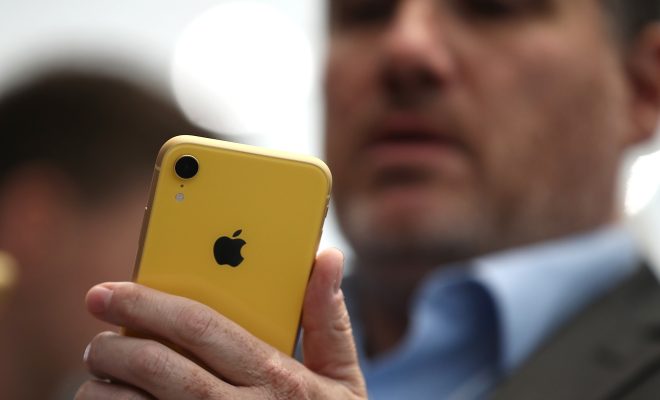
The iPhone is one of the most innovative and iconic devices in the world of mobile phones. It has revolutionized the way people connect with each other, conduct business and interact with technology. Since its launch in 2007, the iPhone has evolved from a simple handheld device to a powerful, multifunctional tool that has changed the way we do things. Here is a brief history of the iPhone and its evolution over the years.
2007: The First Generation iPhone
On June 29, 2007, Apple launched the first iPhone, a groundbreaking device that combined a phone, music player, and internet browser in one powerful device. The original iPhone featured a 3.5-inch display, 2-megapixel camera, and a 4GB, 8GB, or 16GB storage option, and sold for $499, $599, and $699, respectively. The iPhone ran on a mobile version of Apple’s operating system, iOS, and was originally available only on AT&T’s network.
2008: The iPhone 3G
One year after the launch of the first iPhone, Apple released the iPhone 3G. This updated model featured faster download speeds, built-in GPS, and a new, sleeker design. It also had an improved camera, a new App Store that allowed users to download third-party apps, and a 16GB storage option. The iPhone 3G was available in black and white and was sold for $199 for the 8GB model and $299 for the 16GB model.
2009: The iPhone 3GS
The iPhone 3GS was released in 2009 and featured an improved camera with video recording capability, a faster processor, and increased storage options. The device also introduced Voice Control, which allowed users to make phone calls and control media playback with their voice. The iPhone 3GS was available in black or white and sold for $199 for the 16GB model and $299 for the 32GB model.
2010: The iPhone 4
In 2010, Apple released the iPhone 4, a device that introduced a new, sleek design with a stainless steel frame and a glass front and back. The iPhone 4 also featured a Retina Display, which doubled the pixel density of the screen, and a 5-megapixel camera with LED flash. It also introduced FaceTime, a video calling feature that allowed users to make video calls to other iPhone 4 users. The iPhone 4 was available in black or white and sold for $199 for the 16GB model and $299 for the 32GB model.
2011: The iPhone 4S
the iPhone 4S was released in 2011 and featured a faster processor, an improved camera with 1080p video recording capability, and a new virtual assistant called Siri. Siri allowed users to control their iPhone with their voice and answer questions, set reminders, and send messages. The iPhone 4S was available in black or white and sold for $199 for the 16GB model, $299 for the 32GB model, and $399 for the 64GB model.
2012: The iPhone 5
The iPhone 5 was released in 2012 and featured a larger 4-inch display, a faster processor, and a new Lightning port for charging and data transfer. The device also had an improved 8-megapixel camera with 1080p video recording capability, and a new panorama mode that allowed users to take stunning panoramic pictures. The iPhone 5 was available in black or white and sold for $199 for the 16GB model, $299 for the 32GB model, and $399 for the 64GB model.
2013: The iPhone 5C and iPhone 5S
In 2013, Apple released two new iPhones: the iPhone 5C and the iPhone 5S. The iPhone 5C featured a plastic casing and was available in five bright colors: blue, green, pink, yellow, and white. The device had the same specifications as the iPhone 5, including a 4-inch display and an 8-megapixel camera.
The iPhone 5S featured a new Touch ID sensor that allowed users to unlock their phone with their fingerprint, as well as a new A7 chip that made it the first 64-bit smartphone. The device also had an improved camera with a larger sensor and a dual-LED flash. The iPhone 5C was available for $99 for the 16GB model and $199 for the 32GB model, while the iPhone 5S was available for $199 for the 16GB model, $299 for the 32GB model, and $399 for the 64GB model.
2014: The iPhone 6 and iPhone 6 Plus
In 2014, Apple released the iPhone 6 and iPhone 6 Plus, two new devices that featured a larger, 4.7-inch and 5.5-inch display respectively. Both devices had a new A8 chip that offered faster performance and improved battery life, as well as an improved camera with optical image stabilization. The iPhone 6 and iPhone 6 Plus were available in gold, silver, or space gray and sold for $199 for the 16GB model, $299 for the 64GB model, and $399 for the 128GB model.
2015: The iPhone 6S and iPhone 6S Plus
The iPhone 6S and iPhone 6S Plus were released in 2015 and featured an improved, 12-megapixel camera, a new 3D Touch display that allowed users to interact with their phone in new ways, and a new A9 chip that offered faster performance and improved battery life. The iPhone 6S and iPhone 6S Plus were available in rose gold, gold, silver, or space gray and sold for $199 for the 16GB model, $299 for the 64GB model, and $399 for the 128GB model.
2016: The iPhone SE and iPhone 7
In 2016, Apple released the iPhone SE, a smaller device that featured the same design as the iPhone 5 but had many of the same features as the newer iPhone 6S. The iPhone SE had a 4-inch display, an A9 chip, and a 12-megapixel camera, and was available in rose gold, gold, silver, or space gray.
The same year, Apple also released the iPhone 7 and iPhone 7 Plus, two new devices that featured a new A10 Fusion chip, a water-resistant design, and an improved camera with optical image stabilization. The iPhone 7 and iPhone 7 Plus were available in jet black, black, silver, gold, or rose gold and sold for $649 for the 32GB model, $749 for the 128GB model, and $849 for the 256GB model.
2020: The iPhone 12 and iPhone 12 Pro
The iPhone 12 and iPhone 12 Pro were released in 2020 and featured a new design with a flat edge, a Ceramic Shield front cover for improved durability, and a new A14 Bionic chip that offered faster
Performance and improved battery life. The iPhone 12 and iPhone 12 Pro also had a new camera system that included Night mode and improved computational photography. The iPhone 12 was available in black, white, green, blue, or (PRODUCT)RED, while the iPhone 12 Pro was available in graphite, silver, gold, or pacific blue.
Conclusion
Over the years, the iPhone has evolved from a simple, handheld device to a powerful, multifunctional tool. Each new iteration has brought with it new and improved features that have continued to advance the iPhone’s position as one of the most innovative and iconic devices in the world of mobile phones. As we look to the future, it’s clear that the iPhone will continue to play a major role in shaping the way we connect with each other and interact with technology.