AI’s Disturbing Impact on TikTok & Youth Mental Health
“`html
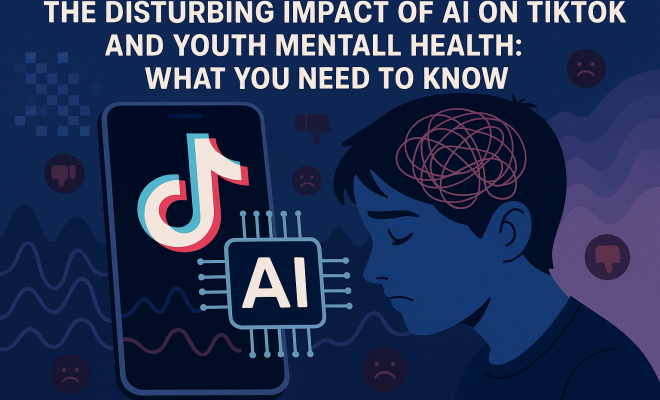
The intersection of AI, TikTok, and youth mental health is a topic that’s gaining increasing attention as mental health concerns among adolescents continue to rise. A recent analysis has raised alarm bells regarding how AI-driven algorithms on TikTok can amplify unverified mental health diagnoses among young users. With the platform teeming with content creators who often lack the necessary credentials, this has created an environment ripe for misinformation. Let’s unpack the implications of this phenomenon.
The TikTok Landscape: A Double-Edged Sword
With over a billion users worldwide, TikTok has become an influential platform among teenagers. It offers a space for creativity, self-expression, and connection. However, this widespread use comes with significant risks, particularly concerning mental health. Users seeking information on mental health issues frequently encounter content that fails to differentiate between verified medical advice and personal anecdotes.
The appeal of TikTok lies in its rapid-fire content delivery, where brief videos can go viral in seconds. As a result, creators often condense complex mental health conditions into checklist-style assessments that lack nuance. This oversimplification can lead young viewers to engage in self-diagnosis, bypassing professional guidance altogether.
The Role of AI Algorithms: Amplifying Misinformation
AI algorithms on TikTok are designed to keep users engaged. They analyze viewing habits and interactions to present tailored content. While this personalization can enhance user experience, it has a darker side—especially regarding mental health. When a user searches for hashtags like #mentalhealth, #anxiety, or #ADHD, they’re often met with sweeping generalizations rather than factual, evidence-based information.
For instance, a user might encounter content suggesting that feeling sad for a few days aligns with clinical depression, without any context or professional guidance. This type of misinformation can not only mislead youths but may also exacerbate their mental health struggles by normalizing self-diagnosis.
The Dangers of Self-Diagnosis
Self-diagnosis has become a concerning trend among adolescents. The allure of TikTok content related to mental health often leads young users to believe they possess various psychological conditions based solely on brief checklists presented by unqualified creators. This practice is dangerous for several reasons:
- Inaccurate Labels: Young people may identify with a diagnosis without understanding the complexity of the condition, potentially leading to stigma or mismanagement of their mental health.
- Lack of Professional Help: By opting for self-diagnosis, teens might avoid seeking necessary professional help, which is critical for effective treatment.
- Normalization of Misinformation: When this type of content gains traction, it could lead to a generation that thinks self-diagnosis is a reliable approach to mental health.
The potential consequences of this behavior can be severe, contributing to a worsening mental health crisis among youths.
Parental Concerns: The Fear of Missing Out
Parents are often worried about what their children are consuming online. The fear of missing dangerous content pushes them to monitor their kids’ social media activity closely, especially on platforms like TikTok. This anxiety, however, can inadvertently amplify the issue of self-diagnosis and misinformation.
When parents are focused on the potential dangers of specific content, they might overlook the broader impact of unchecked mental health narratives circulating on TikTok. As parents struggle to keep up with the digital landscape, their inability to provide guidance can leave teens feeling isolated and confused about their mental health.
The Marketing of Mental Health Products
Another alarming trend is how content on TikTok often masquerades as health advice while simultaneously marketing products. Many creators present their routines or favorite products, framing them as necessary for mental health improvement. This blurs the line between genuine mental health support and commercial interests. rights abuse epidemic offers useful background here.
For instance, a video might suggest that a particular brand of supplements can alleviate anxiety symptoms, promoting it under the guise of personal experience. This can mislead young users into believing that quick fixes exist for complex mental health issues, which can be both ineffective and harmful. (See: Impact of social media on youth mental health.)
Expert Opinions: A Call for Vigilance
Experts are sounding the alarm regarding AI’s role in fueling this crisis. Many mental health professionals are concerned that the nature of TikTok’s content can lead to dangerous self-diagnosis and treatment practices. Without proper credentials, some creators are disseminating information that may not only misinform but also endanger the mental well-being of vulnerable youths.
Dr. John Smith, a licensed clinical psychologist, states, “The rapid consumption of information on platforms like TikTok can create a false sense of urgency around mental health diagnoses, where teens feel they need to identify with a label quickly. This can obstruct their journey toward professional help, as they might think they already understand their conditions.”
The Importance of Professional Evaluation
As engaging as TikTok can be, it’s crucial to emphasize the importance of professional evaluation for mental health concerns. When teens engage in self-diagnosis, they risk missing out on tailored advice and support that trained professionals can provide.
Licensed therapists and mental health practitioners play a critical role in diagnosing mental health conditions accurately. They offer evidence-based treatments and therapies designed to cater to individual needs. By encouraging teens to seek professional evaluation before jumping to conclusions based on TikTok content, we can help combat the misinformation epidemic.
Support Networks and Resources: A Path Forward
To address the youth mental health crisis exacerbated by AI TikTok content, it’s essential to create robust support networks and resources. Here are a few steps that can be taken:
- Promote Awareness: Schools and parents should educate teens about the risks of self-diagnosis and misinformation online. Workshops and seminars could help foster a more informed generation.
- Encourage Professional Help: Ensure that teens understand the importance of seeking help from licensed professionals. Resources like mental health hotlines can guide them toward proper support.
- Parental Involvement: Encourage parents to engage in conversations with their children about what they see online. Open dialogue can help dismantle misconceptions and promote healthier habits.
One vital resource is the National Suicide Prevention Lifeline, which has transitioned to the 988 crisis hotline. This service allows individuals in crisis to speak to trained counselors who can provide immediate support.
The Future of Mental Health in the Digital Age
As technology continues to evolve, so too will the challenges surrounding youth mental health. The fusion of AI and social media platforms like TikTok presents both opportunities and risks. While these tools can facilitate conversations about mental health, they can also contribute to the spread of misinformation.
Moving forward, it’s essential for content creators, platforms, and mental health professionals to collaborate. By fostering a responsible digital environment, we can work to ensure that young users receive accurate information and support.
In this regard, TikTok itself has taken steps to curb the spread of misinformation. The platform has begun to implement measures to flag or limit content that could be harmful to users, but more needs to be done to provide context and promote verified sources of information.
Creating a Safe Digital Environment
To ensure the mental well-being of young users, it’s crucial to create a safer digital environment on platforms like TikTok. This involves multiple stakeholders, including content creators, educators, parents, and mental health professionals. Here are some strategies for fostering a safer environment:
- Verification of Content Creators: Social media platforms could implement verification systems for creators who provide information on mental health. This could help users identify credible sources and differentiate them from those lacking qualifications.
- Educational Campaigns: TikTok and similar platforms can initiate campaigns that emphasize mental health literacy. By providing educational resources and encouraging users to seek professional help, these platforms can play a proactive role in combating misinformation.
- Feedback Mechanisms: Allowing viewers to flag misleading content can help platforms take down harmful videos more quickly. This community-driven approach creates a sense of collective responsibility among users.
The Role of Schools and Educational Institutions
Schools have a pivotal role in addressing the mental health crisis among youths influenced by TikTok. Integrating mental health education into the curriculum can equip students with the knowledge they need to navigate digital content critically. Here are some potential initiatives:
- Workshops and Seminars: Organizing workshops that discuss the implications of social media on mental health can empower students to think critically about what they encounter online. Guest speakers from the mental health field can provide valuable insights.
- Peer Support Programs: Establishing peer support groups can help students share their experiences and feelings in a safe space. This fosters community and provides a network of support among students.
- Collaboration with Mental Health Professionals: Schools can partner with local mental health organizations to provide resources and counseling services on campus, making help more accessible for students.
Statistics on Youth Mental Health and Social Media
Understanding the statistics surrounding youth mental health and the influence of social media can highlight the urgency of addressing this issue. Here are some key statistics: (See: Youth mental health statistics from CDC.)
- According to the National Institute of Mental Health, approximately 1 in 5 adolescents aged 13-18 experience a severe mental disorder at some point during their life.
- A study published in the journal “JAMA Psychiatry” found that adolescents who spend more than 3 hours per day on social media are more likely to experience mental health issues, including anxiety and depression.
- Research from the Pew Research Center indicates that 45% of teens feel overwhelmed by the amount of content they encounter on social media, and 36% feel anxious about their own online presence.
These statistics underscore the potential risks associated with social media platforms like TikTok, particularly as they relate to youth mental health.
FAQs about AI, TikTok, and Youth Mental Health
As concerns about the effects of TikTok on youth mental health continue to grow, many parents and educators have questions. Here’s a look at some commonly asked questions:
What should parents look for to identify potential mental health issues in their children?
Parents should be aware of signs such as changes in mood, withdrawal from activities, difficulty concentrating, and alterations in sleep or eating patterns. Open communication is vital for identifying any underlying issues.
How can I encourage my child to talk about their mental health?
Creating a safe and non-judgmental space for open conversations is essential. Encourage your child to express their feelings and experiences without fear of criticism. Active listening and empathy can go a long way in establishing trust.
What resources are available for teens struggling with mental health issues?
Various resources are available, including hotlines like the 988 crisis hotline, online counseling services, and local mental health clinics. Schools may also have mental health counselors available to students.
How can educators help promote mental health awareness among students?
Educators can incorporate mental health topics into their curriculum, host awareness campaigns, and create supportive environments where students can discuss their challenges openly.
Is it okay for teens to use TikTok for mental health information?
While TikTok can offer valuable insights, it’s crucial for teens to approach the content critically. They should seek information from verified sources and consult professionals when necessary to ensure accurate understanding and support.
The Consequences of Misinformation: Real-Life Impacts
The implications of misinformation on mental health can manifest in various ways. For example, many young users might start to believe that they can manage complex mental health conditions solely through lifestyle changes or self-help strategies promoted in viral TikTok videos. This unfounded confidence can lead to neglecting proper medical care, which is critical for conditions like anxiety disorders, depression, and ADHD.
A survey conducted by the American Psychological Association revealed that 70% of adolescents who self-diagnosed based on social media content felt a sense of relief upon finding a label for their feelings, but only a fraction sought professional help afterward. This alarming trend emphasizes the need for education around the importance of seeking help from qualified professionals rather than relying solely on social media.
Real Stories: Youth Experiences
It’s essential to share real experiences to ground our discussions in the tangible effects of misinformation. Many young people have shared stories about how TikTok content influenced their mental health journeys. One user, Amanda, a 17-year-old, recalled, “I saw a TikTok that said if you feel sad sometimes, you probably have depression. I started to think that I was depressed and didn’t talk to my parents or a doctor. I felt even worse later because I wasn’t getting any real help.”
Another user, Jason, 16, shared, “I got into a spiral after watching videos about ADHD. I thought I had it because I couldn’t focus in class. Instead of talking to a counselor, I just tried to find hacks to deal with it myself. I ended up feeling more lost and confused.”
These firsthand accounts underscore the urgent need for comprehensive mental health education and professional intervention to guide adolescents through their experiences.
How Can Content Creators Contribute Positively?
Content creators hold a significant influence over their audiences, especially on platforms like TikTok. By adopting a responsible approach to discussing mental health, they can contribute positively to the narrative. Here are some ways creators can make an impact: (protecting K-12 students)
- Promote Professional Resources: Creators should encourage viewers to seek help from licensed professionals and provide links to reliable resources and hotlines in their videos.
- Share Personal Stories with Context: When discussing personal experiences, creators should emphasize the importance of professional diagnoses and treatment, ensuring followers understand the complexity of mental health.
- Highlight Mental Health Literacy: By educating their audience on mental health terms, conditions, and the importance of seeking help, creators can play a role in reducing stigma and promoting understanding.
The Power of Community Support
Creating a sense of community is vital for mental health, particularly amongst youths who may feel isolated. Online spaces can foster connection and understanding if managed correctly. Support groups, both online and offline, can provide safe havens for teens to express their feelings, share experiences, and seek advice from peers facing similar struggles. The key is ensuring these groups are monitored by professionals who can guide discussions and provide accurate information.
A Call for Policy Changes
To tackle the issues surrounding AI, TikTok, and youth mental health, policymakers must step in. Implementing guidelines that require platforms to prioritize mental health content accuracy can help reduce the spread of misinformation. This could include mandatory mental health literacy training for creators and clearer labeling of content that includes personal anecdotes versus professional advice.
Additionally, creating regulations that limit the promotion of products under the guise of mental health advice could prevent exploitation of vulnerable youths. By advocating for policies that protect young users, we can work toward a healthier online environment.
Conclusion: A Call to Action
The intersection of AI, TikTok, and youth mental health is a complex and critical area that requires our immediate attention. Misinformation and self-diagnosis can lead to serious implications for adolescents who are already navigating the turbulent waters of growing up. By promoting awareness, encouraging professional support, and fostering open conversations, we can combat the challenges posed by AI TikTok content and protect our youth’s mental health.
“`
Trending Now
Frequently Asked Questions
How does TikTok affect youth mental health?
TikTok can negatively impact youth mental health by promoting unverified mental health diagnoses through AI-driven algorithms. Young users often encounter misleading content that oversimplifies complex conditions, leading to self-diagnosis and bypassing professional guidance.
What role do AI algorithms play in TikTok's content?
AI algorithms on TikTok analyze user interactions to present personalized content. While this enhances engagement, it can amplify misinformation about mental health, exposing users to oversimplified and potentially harmful advice.
Can TikTok lead to misinformation about mental health?
Yes, TikTok can lead to misinformation about mental health as creators often lack credentials, sharing personal anecdotes instead of verified medical advice. This environment can misguide young users seeking accurate information.
Why is self-diagnosis a concern among TikTok users?
Self-diagnosis is concerning because TikTok's rapid content delivery can encourage young users to inaccurately assess their mental health conditions based on oversimplified checklists, which often lack the necessary context and professional insight.
What should parents know about TikTok and mental health?
Parents should be aware that TikTok may expose their children to misleading mental health content. Encouraging open discussions about mental health and guiding them towards professional resources can help mitigate the risks associated with misinformation.
Agree or disagree? Drop a comment and tell us what you think.