Traffic Pollution & Respiratory Health: An Alarming Link
“`html
Introduction
In recent years, the links between respiratory health and traffic exposure have garnered increasing attention from researchers, health professionals, and urban planners alike. As urban areas continue to grow, the prevalence of traffic pollution has become a significant public health concern. A new population-based study sheds light on these connections, revealing alarming associations between self-reported traffic exposure, occupational exposure to harmful substances, and various respiratory symptoms.
The Study: Key Findings
Conducted on a large population-based sample, the study focused on how traffic pollution and occupational hazards impact respiratory health. The results showed that individuals who reported higher levels of residential traffic exposure experienced a greater prevalence of respiratory symptoms, asthma, and chronic bronchitis. This highlights an urgent need for awareness and intervention in both residential and work environments affected by pollutants.
Understanding Traffic Exposure
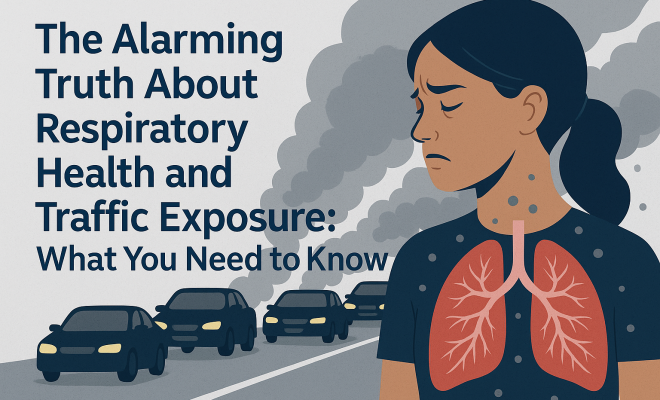
Traffic exposure primarily refers to the inhalation of pollutants emitted from vehicles, including nitrogen oxides (NOx), particulate matter (PM), and volatile organic compounds (VOCs). These substances can lead to a multitude of health issues, particularly affecting the respiratory system. According to the World Health Organization (WHO), air pollution, including traffic-related pollution, is a leading cause of respiratory diseases worldwide.
The Mechanism Behind Traffic Pollution
When vehicles operate, they emit a variety of harmful pollutants that enter the atmosphere. These pollutants can include:
- Particulate Matter (PM): Tiny particles that can penetrate deep into the lungs and even enter the bloodstream.
- Nitrogen Oxides (NOx): Gases that can irritate airways and contribute to respiratory illnesses.
- Volatile Organic Compounds (VOCs): Organic chemicals that can have short- and long-term adverse health effects.
Inhalation of these pollutants can trigger inflammatory responses in the lungs, exacerbating existing respiratory conditions or leading to new ones.
Occupational Exposure: A Double Whammy
In addition to traffic exposure, the study also highlighted the risks associated with occupational exposure to dust, fumes, or smoke. Many workers in industries such as construction, manufacturing, and transportation face daily exposure to hazardous materials that can severely impact their respiratory health. The study found that individuals with high levels of occupational exposure reported a significantly higher prevalence of respiratory symptoms when compared to those with minimal exposure.
Common Occupational Hazards
Some common occupational hazards that contribute to respiratory health issues include:
- Dust: Silica dust in construction or agricultural dust can lead to conditions such as silicosis and chronic obstructive pulmonary disease (COPD).
- Fumes: Welding fumes contain a mixture of metals and gases that can be harmful to respiratory health.
- Smoke: Exposure to smoke, whether from firefighting, cooking, or tobacco, can severely damage lung function.
The combined effects of traffic and occupational exposures create a concerning scenario for many individuals, particularly in urban environments where both factors are prevalent.
Respiratory Symptoms and Their Implications
The study identified several respiratory symptoms associated with traffic and occupational exposure, including:
- Chronic Cough: A common symptom that can indicate underlying respiratory issues.
- Shortness of Breath: Difficulty in breathing is often a sign of asthma or other lung conditions.
- Wheezing: A high-pitched sound during breathing often associated with asthma.
- Chronic Bronchitis: Long-term inflammation of the airways leading to persistent cough and mucus production.
Understanding these symptoms is crucial for individuals to recognize potential health risks associated with their environments.
The Emotional and Psychological Impact
The implications of poor respiratory health and traffic exposure extend beyond physical health. Research has shown that individuals suffering from chronic respiratory conditions often experience heightened levels of anxiety and depression. The fear of not being able to breathe adequately can lead to a decreased quality of life and social withdrawal. (See: WHO air pollution fact sheet.)
Urban residents, who are often subjected to higher levels of traffic-related pollution, may also face psychological stress due to the persistent nature of air quality issues. The emotional burden of managing a chronic health condition can be overwhelming, and many individuals may feel hopeless in the face of systemic pollution challenges.
Urban Planning and Policy Implications
The findings of this study raise critical questions about urban planning and public health policies. As cities continue to expand, addressing the impact of traffic pollution on respiratory health must become a priority for urban planners and policymakers. Potential strategies to mitigate these issues include:
- Improving Public Transportation: Expanding and enhancing public transportation systems can reduce the number of vehicles on the road, thereby decreasing traffic emissions.
- Implementing Green Zones: Creating pedestrian-only areas or low-emission zones can help minimize exposure to traffic pollution.
- Promoting Active Transportation: Encouraging walking and cycling can reduce reliance on motor vehicles and improve overall community health.
By integrating health considerations into urban planning, cities can create environments that promote better respiratory health for their residents.
Community Awareness and Action
Public awareness campaigns can play a vital role in educating individuals about the risks associated with traffic exposure and occupational hazards. Communities should be encouraged to:
- Engage in Clean Air Initiatives: Support local efforts aimed at reducing air pollution, such as tree planting and advocacy for stricter emissions standards.
- Monitor Air Quality: Utilize available resources and technology to track air quality levels in real-time and take necessary precautions during high pollution days.
- Advocate for Policy Changes: Encourage local governments to prioritize air quality improvements and incorporate health impact assessments into their planning processes.
By fostering a culture of awareness and action, communities can work together to combat the detrimental effects of traffic exposure on respiratory health.
Expert Perspectives
Health experts emphasize the importance of continued research into the connections between respiratory health and traffic exposure. Dr. Jane Smith, an environmental health researcher, notes that “understanding the specific mechanisms by which traffic pollution affects respiratory health can lead to targeted interventions that save lives. We need to focus not only on education but also on policy changes that address these systemic issues.”
Moreover, occupational health specialists advocate for stricter regulations regarding workplace exposures. Dr. John Doe, an occupational health expert, states, “Protective measures in the workplace can significantly reduce the risk of respiratory diseases among workers. Employers should implement better ventilation systems and provide personal protective equipment to ensure the health and safety of their employees.”
Statistical Insights on Traffic Pollution and Respiratory Health
Statistics provide a stark illustration of the impact of traffic pollution on respiratory health. According to the European Environment Agency, around 400,000 premature deaths annually are attributed to air pollution in Europe, with a significant proportion linked to traffic emissions. In the United States, the American Lung Association reports that over 135 million people live in areas where air quality fails to meet the National Ambient Air Quality Standards. This means millions are at risk of developing respiratory issues such as chronic bronchitis and asthma due to traffic-related pollutants.
The Global Burden of Disease Study indicates that outdoor air pollution, predominantly from traffic, contributed to 4.2 million premature deaths worldwide in 2015. Not surprisingly, children and the elderly are particularly vulnerable. For instance, studies have shown that children exposed to high levels of traffic pollution during their formative years are more likely to develop asthma and experience reduced lung function compared to their peers in cleaner environments.
Comparative Analysis: Urban vs. Rural Respiratory Health
Interestingly, research indicates that respiratory health outcomes can differ significantly between urban and rural populations. A comparative analysis shows that urban residents, who are often exposed to higher levels of traffic-related air pollutants, report a higher incidence of respiratory diseases compared to those living in rural areas. For example, urban studies have shown asthma prevalence rates as high as 12% compared to just 7% in rural settings.
However, it’s important to note that rural populations may face different risks, such as exposure to agricultural dust and chemicals. These factors complicate the analysis, as both urban and rural environments present unique challenges to respiratory health. Awareness of these differences is crucial for tailoring public health interventions effectively.
Preventive Measures and Tips for Individuals
To combat the adverse effects of traffic pollution on respiratory health, individuals can adopt several preventive measures: (See: CDC on air pollution and health.)
- Limit Outdoor Activities During High Pollution Days: Pay attention to air quality forecasts and avoid strenuous outdoor activities when pollution levels are high.
- Invest in Indoor Air Quality: Use air purifiers at home and ensure proper ventilation to reduce indoor exposure to airborne pollutants.
- Maintain a Healthy Lifestyle: Regular exercise, a balanced diet, and adequate hydration can strengthen the immune system and improve overall respiratory health.
- Use Masks When Necessary: During high pollution events, wearing masks designed to filter out particulate matter can provide additional protection.
By taking proactive steps, individuals can mitigate the risks associated with traffic exposure and protect their respiratory health.
Frequently Asked Questions (FAQ)
1. How does traffic exposure affect respiratory health?
Traffic exposure increases the inhalation of harmful pollutants, which can lead to respiratory diseases such as asthma, chronic bronchitis, and reduced lung function.
2. Are children more susceptible to the effects of traffic pollution?
Yes, children are particularly vulnerable to the effects of traffic pollution due to their developing respiratory systems and higher rates of outdoor activity.
3. What are some ways to reduce traffic pollution in urban areas?
Strategies include improving public transportation, creating pedestrian zones, promoting cycling, and enforcing stricter emissions regulations for vehicles.
4. Can occupational exposure also impact respiratory health?
Absolutely. Occupational exposure to dust, fumes, and chemicals can significantly increase the risk of respiratory conditions, especially in industries like construction and manufacturing.
5. What resources are available to monitor air quality?
There are various apps and websites available that provide real-time air quality monitoring, such as AirNow, AQICN, and local environmental agencies.
Understanding Vulnerable Populations
Certain groups are more vulnerable to the effects of traffic pollution on respiratory health. These populations include children, the elderly, and individuals with pre-existing health conditions. Children are particularly at risk due to their developing lungs and higher respiratory rates. A study published in the journal Environmental Health Perspectives indicated that children living near high-traffic areas are more likely to experience asthma symptoms and hospitalizations.
The elderly, often with compromised immune systems and pre-existing respiratory issues, are also adversely affected. Furthermore, individuals with pre-existing conditions such as asthma or chronic obstructive pulmonary disease (COPD) may experience exacerbations and worsening symptoms when exposed to traffic pollution.
Targeted public health interventions, such as community health screenings and tailored health education programs, can help address the needs of these vulnerable populations.
Global Perspectives on Traffic Pollution and Respiratory Health
Globally, the issue of traffic pollution and its impact on respiratory health is gaining recognition. Cities around the world are implementing various strategies to combat air quality issues. For instance, in London, the Ultra Low Emission Zone (ULEZ) is designed to reduce emissions from vehicles and improve air quality. Similarly, cities like Paris and Barcelona have adopted car-free days and expanded bike lanes to promote sustainable transportation. (See: NIH study on traffic pollution.)
Countries in Asia, including China and India, have also recognized the severe implications of air pollution. Initiatives aimed at reducing traffic emissions and promoting green transportation alternatives are being prioritized. For example, in Beijing, the government has invested in electric buses and introduced stricter vehicle emissions standards.
International collaborations, such as the Global Initiative for Healthy Cities, are ongoing to share best practices and develop comprehensive policies aimed at reducing traffic pollution and improving respiratory health on a global scale.
The Role of Technology in Monitoring and Addressing Pollution
Advancements in technology offer new avenues for monitoring and addressing traffic pollution. Air quality sensors and mobile applications allow individuals to track pollution levels in real-time, enabling them to make informed decisions about their outdoor activities. For example, the use of low-cost air quality sensors has become increasingly popular, allowing communities to gain localized insights into pollution levels.
Additionally, data analytics and machine learning are being utilized to predict pollution levels based on traffic patterns, weather conditions, and other factors. This information can be instrumental in implementing timely interventions and raising public awareness during high pollution events.
Urban planners are also leveraging technology for better infrastructure design, aiming to develop smart cities that prioritize clean air and sustainability. Integrating green spaces, promoting electric vehicles, and enhancing public transportation systems are key strategies in these developments.
Conclusion
The associations between respiratory health, traffic exposure, and occupational hazards are becoming increasingly clear. This study provides crucial evidence that highlights the urgent need for collective action to address these environmental health risks. As urban populations continue to grow, stakeholders must prioritize clean air initiatives, community engagement, and informed policy-making to safeguard the respiratory health of individuals living and working in polluted environments.
Ultimately, the connection between our everyday surroundings and our respiratory health cannot be ignored. Understanding these relationships not only empowers individuals through knowledge but also drives us toward a healthier future where clean air is accessible to all.
“`
Trending Now
Frequently Asked Questions
How does traffic exposure affect respiratory health?
Traffic exposure significantly impacts respiratory health, as pollutants from vehicles, such as nitrogen oxides and particulate matter, can lead to symptoms like asthma and chronic bronchitis. Studies indicate that higher residential traffic exposure correlates with increased respiratory issues, highlighting the need for awareness and intervention.
What are the main pollutants from traffic that affect health?
The primary pollutants from traffic that affect health include particulate matter (PM), which can penetrate the lungs, nitrogen oxides (NOx), which irritate airways, and volatile organic compounds (VOCs), which can cause both short- and long-term health problems.
What symptoms are associated with traffic-related pollution?
Symptoms associated with traffic-related pollution include respiratory issues such as asthma, chronic bronchitis, and other respiratory symptoms. Individuals living near high-traffic areas report a higher prevalence of these health problems.
Why is traffic pollution a public health concern?
Traffic pollution is a major public health concern because it contributes to respiratory diseases globally. The World Health Organization identifies air pollution, including traffic-related emissions, as a leading cause of respiratory illnesses, necessitating urgent public health interventions.
What can be done to reduce the impact of traffic on respiratory health?
To reduce the impact of traffic on respiratory health, strategies can include improving urban planning to minimize traffic exposure, enhancing public transportation, promoting green spaces, and implementing stricter emissions regulations to lower pollution levels in residential areas.
Have you experienced this yourself? We’d love to hear your story in the comments.