Silent Reading and Oral Reading: Everything You Need to Know
There is plenty of debate about whether oral reading is a thing of the past and no longer critical for the vast majority of individuals in today’s age. After all, not everyone has an occupation where they have to actively read off a script of some kind, like being a radio or news presenter or someone prone to giving speeches.
In today’s day and age, is silent reading more valuable than oral reading?
The Value Of Oral Reading
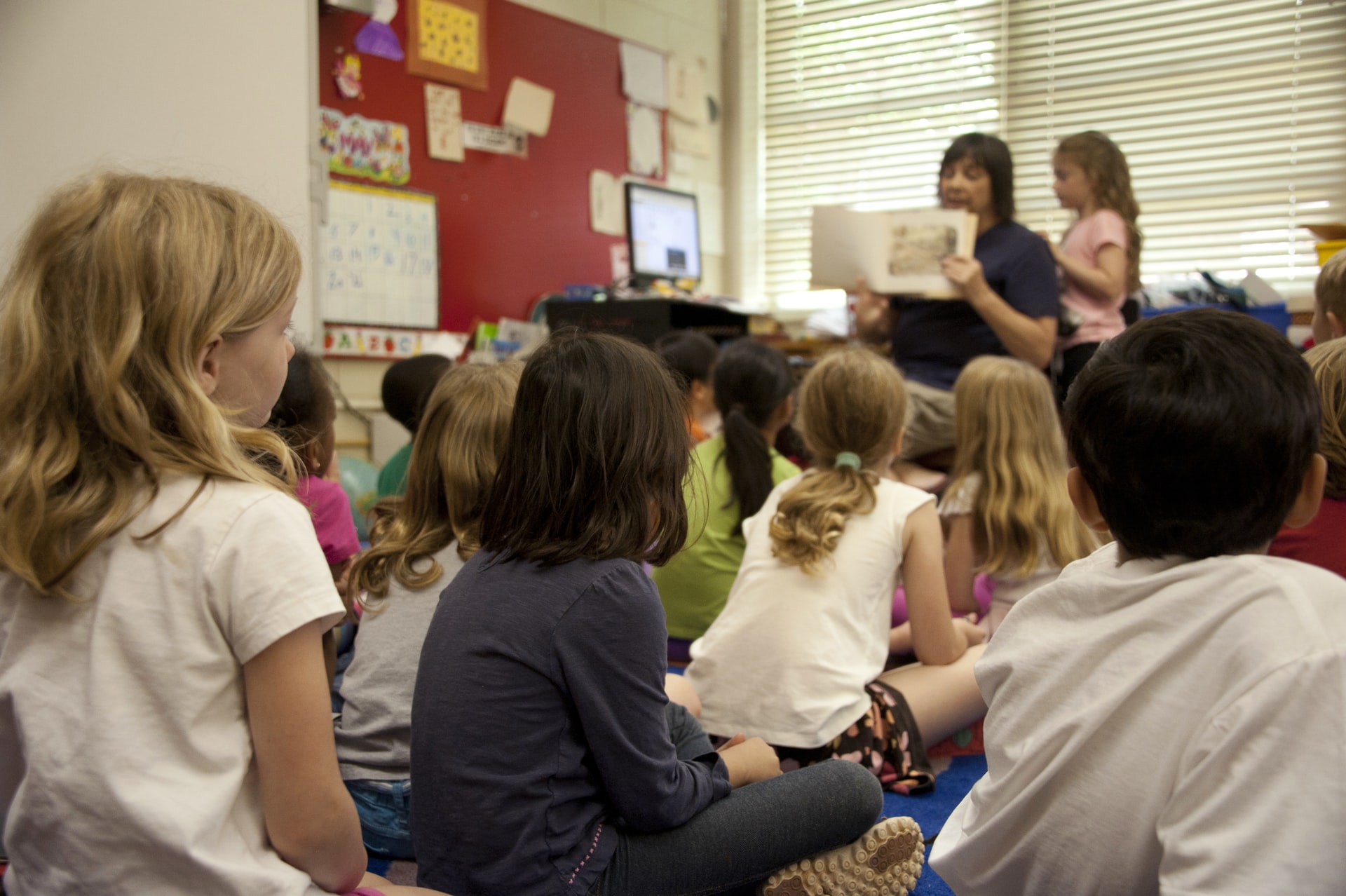
Most individuals don’t have to read aloud all too often in their day-to-day lives. In fact, for the large majority of individuals, the point of time in your life where you would actively read aloud would be in school, particularly in your younger years.
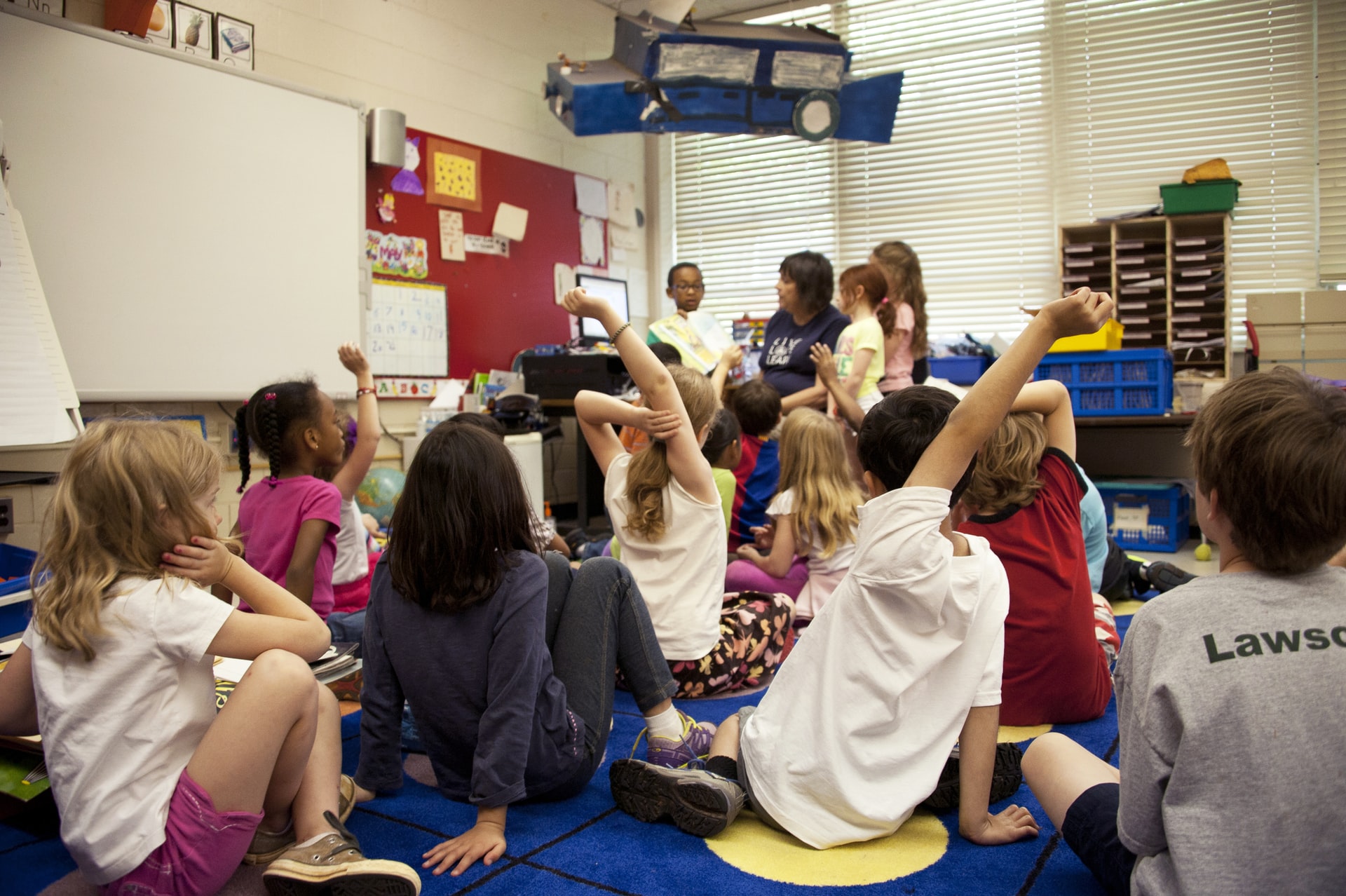
During those foundational and transformative years, there is no denying the value of oral reading. It is a fantastic tool that can help with the early stages of language development. True, one might say that it is more pivotal for younger kids to practice oral reading, as it helps with developing early language fluencies.
As of 2014, it was found that oral reading explains more than 80% of reading comprehension variations in second-graders, meaning that more than 80% of second-graders were not of a similar level of fluency.
What About Learners In Higher Grades?
Second grade is an excellent time to capitalize on that early development in language fluency, and oral reading helps significantly in that regard. How does this inherent value hold up as learners progress to higher grades, though?
Unfortunately, the focus on oral reading starts to lose its luster. During that early-grade period, it’s generally more effective to focus on the learner’s oral language fluency.
Fluency has the advantage of providing a bigger payoff in the long-run thanks to that reading comprehension variation we mentioned earlier, which can drop by a whopping 25% by the time learners reach the eighth grade, meaning more learners are around a similar level of fluency.
However, by the time learners reach these higher grades, we begin encountering the ceiling level in fluency. Whenever learners progress to the next grade, more learners will gain a new level of reading fluency. For instance, very few third-grade learners can read 175 words in a minute correctly, meaning they make minimal mistakes and pause appropriately.
As the year’s progress, more learners reach a new level, so their fluency and proficiency get better anyway, just at a slower rate than if they had started young.
So What Does One Focus On In Higher Grades?
When focusing on higher grades, developing vocabulary becomes more critical as your learners become naturally more fluent with time and hit those ceilings that we mentioned earlier. In that regard, silent reading may be preferable, as it allows learners who have already hit their ceiling to continue developing their proficiencies in language.
However, it will only be effective when paired with discussion, debate, and engagement with the material. Both styles of reading are excellent and have their place, at least in a learning environment.
Concluding Thoughts
Each has its place, with oral and silent reading being both pivotal – only at different stages in a learner’s school career. Oral learning is essential for younger learners who still need to develop their fluency skills.
Simultaneously, silent reading is perfect for those who are more proficient – like learners in higher grades – and want to develop other facets of their language skills.