Shocking Spike in Diesel Car Sales: SUV Craze in Gujarat Ignites Controversy and Traffic Chaos!
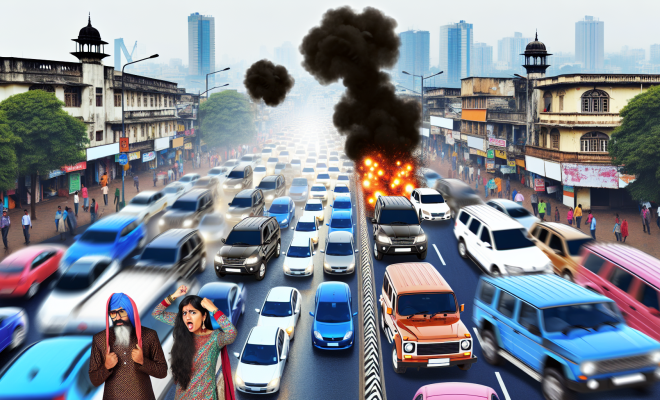
India’s automotive landscape is witnessing a dramatic revolution, with demand for diesel cars surging and a remarkable increase in SUV sales, particularly in the booming state of Gujarat. This development not only reflects shifting consumer preferences but also raises profound questions about the future of transportation in a country that is navigating between traditional fuel sources and a global push towards electrification.
The Surge in Diesel Demand
Recent reports indicate a substantial rise in diesel car sales across India, defying the international trend toward electric vehicles (EVs). This trend is particularly pronounced in Gujarat, a state that has become synonymous with rapid economic growth and evolving consumer demands. While many developed nations are pivoting to greener alternatives, diesel vehicles continue to captivate Indian buyers, particularly in the mid-range segment.
According to industry analysts, fuel efficiency and affordability are primary factors driving this increased demand. Diesel engines typically offer better mileage compared to their petrol counterparts, making them an attractive option for Indian consumers who often prioritize cost-effective solutions for daily commuting.
Reasons Behind Diesel’s Popularity
- Fuel Efficiency: Diesel engines provide superior mileage, which is crucial for long-distance travel and daily commuting in India.
- Cost-Effectiveness: The price of diesel fuel remains lower than petrol in many regions, making diesel vehicles more economical for consumers.
- Performance: Diesel engines are known for their torque and power, which are advantageous for driving in varied Indian terrains.
- Resale Value: Diesel vehicles often maintain their value better than petrol cars, appealing to budget-conscious buyers.
SUVs: The New Kings of the Road
Accompanying the rise in diesel demand is the explosive growth in SUV sales. SUVs are becoming increasingly popular across India, particularly in urban areas and among middle-class families. The spacious interiors, perceived safety, and commanding road presence of SUVs resonate well with Indian consumers.
Gujarat, in particular, has seen a notable increase in SUV registrations, leading to a competitive market where manufacturers are vying for consumer attention. This trend is not just limited to luxury models; many manufacturers are launching affordable SUVs aimed at the average consumer.
Impact of SUV Popularity on Urban Infrastructure
While the rise of SUVs presents exciting opportunities for manufacturers and buyers, it also poses significant challenges for urban infrastructure. Major cities like Mumbai are grappling with unprecedented levels of traffic congestion as the number of vehicles on the road continues to skyrocket.
As more consumers opt for larger vehicles, city planners are faced with the daunting task of upgrading existing road systems to accommodate this influx of traffic. The lack of adequate infrastructure can lead to longer commute times, increased pollution, and heightened frustration among drivers.
Environmental Concerns and Social Media Debates
The rise in diesel demand has sparked heated debates on social media platforms, with users expressing concerns about the environmental impact of increased diesel vehicle usage. Critics argue that diesel engines emit higher levels of nitrogen oxides (NOx) and particulate matter, which can contribute to air pollution and respiratory issues.
On the other hand, supporters of diesel vehicles often highlight their efficiency and cost-effectiveness, arguing that they are better suited for Indian driving conditions. This dichotomy reflects a broader global conversation about sustainability and the future of automotive technology.
Social Media Reactions
- Environmental Activists: Many users have voiced concerns regarding the rise of diesel cars, emphasizing the need for cleaner alternatives.
- Consumers: Supporters praise diesel vehicles for their fuel efficiency and affordability, arguing they meet the unique needs of Indian drivers.
- Policy Makers: There are calls for improved regulations and incentives to encourage a shift towards more sustainable vehicle options.
The Future of the Automotive Industry in India
As the automotive market evolves, stakeholders must navigate the complexities of consumer preferences, environmental concerns, and infrastructure challenges. The Indian government is also playing a crucial role in shaping this future, with initiatives aimed at promoting electric vehicles and sustainable practices.
To address the growing popularity of diesel and SUVs, manufacturers may need to innovate and explore alternatives that align with global sustainability goals. This could include investing in hybrid technologies or improving the efficiency of diesel engines.
Conclusion
The current surge in diesel car demand and SUV sales in India, particularly in Gujarat, presents a fascinating case study of consumer behavior in an evolving market. While the immediate benefits of diesel vehicles and larger SUVs are clear, the long-term implications for urban infrastructure and environmental health are complex and require careful consideration.
As the automotive landscape continues to shift, both consumers and manufacturers will need to adapt to changing dynamics, balancing the desire for affordability and performance with the pressing need for sustainability and environmental responsibility. The road ahead may be fraught with challenges, but addressing these issues head-on will be crucial for the future of India’s automotive industry.