Shocking Shift: Major Automakers Abandon EVs for Hybrids and Gas Engines—What This Means for the Future!
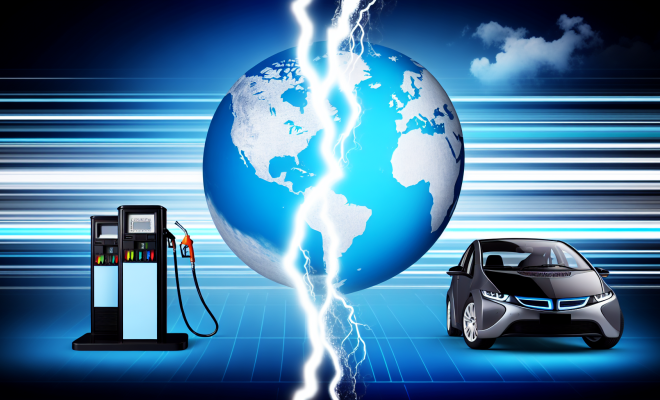
The automotive industry is witnessing a dramatic turnaround that has left many consumers and environmental advocates in disbelief. After years of pushing electric vehicles (EVs) as the future of transportation, major automakers are now shifting their strategies back to hybrids and traditional gasoline engines. This pivot raises critical questions about the sustainability of the electric vehicle revolution and signals a potential slowdown in EV adoption rates.
The Decline of Electric Vehicle Adoption
Recent data reveals a significant decline in electric vehicle sales, sending shockwaves through the industry. While the early 2020s saw a surge in EV interest and sales, this trend has now faltered, leading manufacturers to reconsider their future investments. Factors contributing to this decline include:
- Infrastructure Challenges: Many potential buyers are hesitant to switch to electric due to inadequate charging infrastructure, particularly in rural areas.
- Battery Costs: The high costs associated with EV batteries remain a barrier for many consumers, limiting the affordability of electric vehicles.
- Range Anxiety: Concerns about the distance an EV can travel on a single charge continue to deter buyers, especially in regions with long commutes.
Automakers’ Strategic Pivot
In light of these challenges, several automotive giants are reversing their course on electric vehicles, shifting their focus back to hybrid and gasoline-powered models. Companies that once committed billions to electric vehicle development are now reallocating resources to improve their internal combustion engine (ICE) offerings. This includes investments in:
- Hybrid Technologies: Automakers are focusing on hybrid vehicles that combine traditional gasoline engines with electric power to enhance fuel efficiency and reduce emissions.
- Gasoline Engines: There is a renewed interest in developing more efficient gasoline engines that meet emission standards without fully transitioning to electric.
- Advanced Manufacturing Techniques: Companies are exploring new manufacturing processes that could improve the performance of conventional vehicles, making them more appealing in the current market.
The Renewed Demand for Precious Metals
This shift in strategy is not only impacting vehicle design but also creating a surge in demand for precious metals traditionally used in automotive manufacturing. As automakers pivot back to hybrids and gasoline engines, the need for metals like platinum and palladium is rising, which are crucial for catalytic converters in ICE vehicles. This renewed demand could have significant implications for:
- Commodity Prices: The increased need for these metals may drive up prices, affecting overall manufacturing costs across the automotive industry.
- Environmental Impact: As traditional vehicle manufacturing ramps up, discussions around the environmental consequences of mining and sourcing these metals are becoming more prominent.
- Market Dynamics: The shift could alter the landscape of the automotive market, affecting supply chains and international trade relations related to precious metals.
Consumer Reactions and Public Debate
The shift away from electric vehicles has sparked heated debates across social media platforms. Many consumers express relief at the return of gasoline-powered vehicles, citing concerns over charging infrastructure and the high costs of EVs. Users on platforms like Twitter and Reddit have shared their thoughts, revealing a divided sentiment:
- Support for Traditional Vehicles: Some consumers appreciate the familiarity and reliability of traditional gasoline vehicles, feeling that hybrids could offer a practical middle ground.
- Environmental Concerns: Conversely, environmental advocates argue that this pivot undermines climate action efforts and could derail progress toward reducing carbon emissions.
- Distrust of Automakers: A growing number of consumers are questioning the motives of automakers, suspecting that financial gains are outweighing environmental considerations in their decision-making process.
Industry Analysts Weigh In
Industry analysts are keeping a close watch on this trend, as it has far-reaching implications for everything from commodity prices to environmental policy discussions. Some of the key points they highlight include:
- Long-term Viability of Electric Vehicles: Analysts are debating whether this shift signifies a long-term decline in EV adoption or if it is merely a temporary setback in a larger transition to sustainable transportation.
- Impact on Environmental Policies: The renewed focus on traditional vehicles may lead to policy discussions around emissions regulations and incentives for electric vehicle adoption.
- Investor Sentiment: Automakers’ stock performance may be affected by this pivot, with investors closely scrutinizing the financial implications of returning to traditional manufacturing methods.
The Road Ahead: What’s Next for the Automotive Industry?
As the automotive industry navigates this surprising shift, the future remains uncertain. The debate between traditional and electric vehicles is likely to intensify, with both sides presenting compelling arguments:
- Proponents of Electric Vehicles: Advocates for EVs argue that the long-term benefits of electric vehicles—such as reduced emissions and lower operating costs—far outweigh the current challenges.
- Supporters of Conventional Vehicles: On the other hand, proponents of traditional vehicles emphasize the immediate practicality and reliability of gasoline engines, advocating for a hybrid approach until electric infrastructure improves.
Ultimately, the industry’s response to this challenge will shape the trajectory of automotive innovation and sustainability. As consumer preferences evolve, automakers will need to adapt their strategies to align with market demands while simultaneously addressing environmental concerns.
Conclusion: A Critical Juncture for the Automotive Industry
The automotive sector stands at a critical juncture. The recent shift back to hybrids and gasoline engines by major automakers marks a significant turning point in the industry. It raises essential questions about the viability of the electric vehicle revolution and the future of sustainable transportation. As this trend unfolds, the implications for consumers, manufacturers, and the environment will become increasingly evident. The automotive landscape is changing, and how stakeholders respond to these developments will determine the direction of the industry for years to come.