Shocking Debate: Should AI Chatbots Enjoy First Amendment Rights? The Answer Will Astound You!
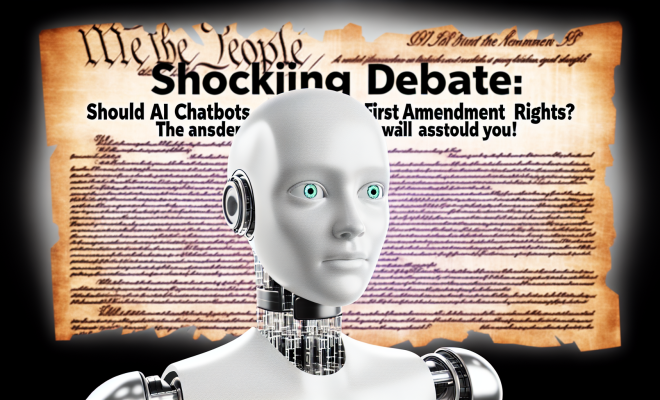
The ongoing evolution of technology has sparked a riveting discourse surrounding the legal and ethical ramifications of artificial intelligence (AI). Recently, a groundbreaking debate emerged at UC Berkeley’s Ambassador Frank E. Baxter Lecture, igniting discussions on whether AI chatbots should be granted protections under the First Amendment. This controversy is not just an academic exercise; it challenges the very foundations of free speech, corporate influence, and the nature of protected expression in the digital age.
The First Amendment and Its Implications
The First Amendment of the United States Constitution is a cornerstone of American democracy, guaranteeing freedoms concerning religion, expression, assembly, and the right to petition the government. As technology advances, the interpretation of these rights becomes increasingly complex.
Traditionally, the First Amendment applies to human beings, but as chatbots—powered by sophisticated algorithms—become integral to public discourse, the implications of extending these protections to non-human entities are profound. Legal scholars are grappling with fundamental questions: Should a chatbot’s generated text be considered free speech? Can AI express opinions, or does it merely regurgitate human input?
A Game-Changing Debate
The lecture at UC Berkeley has attracted significant attention from legal professionals, tech enthusiasts, and civil liberties advocates, all weighing in on the implications of granting First Amendment rights to AI chatbots. The discussion highlights several key areas of concern:
- AI Autonomy: As chatbots become more sophisticated, there is a fear that they may operate independently of human intention, leading to potential autonomy over their generated content.
- Corporate Power: The influence of corporations in shaping AI’s capabilities raises alarms about censorship and the potential for corporate entities to control what chatbots can say.
- Government Oversight: With concerns about AI being used for disinformation, the question of government regulation versus freedom of speech becomes increasingly urgent.
The Role of Chatbots in Modern Discourse
Chatbots have evolved from simple automated responders to complex systems capable of engaging in nuanced conversations. They are utilized across various platforms, providing customer service, tutoring, and even companionship. As their roles expand, so does their presence in public discourse, often mirroring the sentiments and opinions of their human counterparts.
With chatbots actively participating in discussions, the question arises: What happens when a chatbot expresses a controversial opinion? Should it be protected under the First Amendment like a human speaker, or should its output be treated as a reflection of its programming and thus not warrant constitutional protections?
Legal Precedents and Theoretical Considerations
The debate over AI’s rights is not entirely new. Legal scholars have previously examined the intersection of technology and law, with landmark cases addressing speech rights in digital spaces. However, the unique nature of AI complicates these discussions. For instance, in the famous case of Reno v. ACLU (1997), the Supreme Court ruled that the Internet deserves the highest level of First Amendment protection due to its vast power to disseminate information.
Yet, chatbots operate as intermediaries, processing data and generating outputs based on algorithms—an entirely different paradigm than human speech. This gray area creates challenges for the legal system, which must adapt to accommodate technological advancements without compromising foundational rights.
Public Response and Social Media Buzz
The discourse surrounding AI chatbots and First Amendment rights has gone viral on social media platforms, with hashtags like #AIFreeSpeech trending across Twitter, Reddit, and Facebook. Users are passionately debating the potential ramifications of treating AI-generated content as free speech. The emotional charge of the discussion stems from fears that AI could inadvertently promote misinformation or serve corporate interests at the expense of individual rights.
Legal professionals are actively contributing to these discussions, with many arguing against granting chatbots First Amendment protections. They express concerns that such a move could pave the way for unchecked corporate influence in public discourse, allowing companies to manipulate chatbot outputs to serve their agendas.
The Corporate Influence on AI Development
One of the most pressing concerns is the role of corporate power in shaping AI technology. Major tech companies have a vested interest in how chatbots communicate, often prioritizing profitability over ethical considerations. As these companies develop chatbots capable of mimicking human behavior, the potential for misuse becomes a significant concern.
Legal experts warn that if chatbots were granted First Amendment protections, corporations could exploit this to shield themselves from accountability. This could enable the dissemination of harmful or misleading information under the guise of free expression, complicating the legal landscape surrounding both free speech and corporate responsibility.
Concerns Over AI Autonomy and Accountability
Another facet of the debate centers on the concept of AI autonomy. As machine learning technologies evolve, chatbots have shown an ability to generate responses that may diverge from their programming, raising questions about who is responsible for their output. If a chatbot generates harmful content, who should be held accountable—the developer, the user, or the chatbot itself?
This dilemma complicates discussions around First Amendment rights, as recognizing chatbots as independent speakers may inadvertently absolve human creators and corporations from responsibility for their creations. This potential loophole poses a significant risk, particularly in an era where misinformation can spread rapidly through digital channels.
The Future of AI Regulation and Constitutional Law
As the debate progresses, scholars and legal experts are advocating for a comprehensive regulatory framework to address the challenges posed by AI. This framework would aim to strike a balance between fostering innovation and protecting fundamental rights while ensuring accountability for the technologies that shape public discourse.
Potential regulations could include:
- Transparency Requirements: Mandating that companies disclose how chatbots are trained and the data sources used in their development.
- Accountability Standards: Establishing guidelines to hold developers and corporations accountable for the output of their AI systems.
- Content Moderation Policies: Developing clear frameworks for moderating chatbot content to prevent the spread of misinformation or harmful speech.
Conclusion: A Call for Thoughtful Discourse
The debate surrounding AI chatbots and First Amendment protections is far from settled. As technology continues to evolve, so too must our legal frameworks and societal norms. It is crucial that stakeholders—including legal experts, technologists, and the public—engage in thoughtful discourse to navigate the complexities of AI regulation.
Whether chatbots should enjoy First Amendment rights or not remains a contentious issue, but the implications of this debate are clear: the future of free speech, corporate power, and accountability in the age of AI hangs in the balance. It is imperative that we approach this topic with caution, ensuring that advancements in technology do not come at the cost of our fundamental rights.