Rivian Gains Direct-Sales Approval in Washington State
Rivian’s Direct-Sales Breakthrough
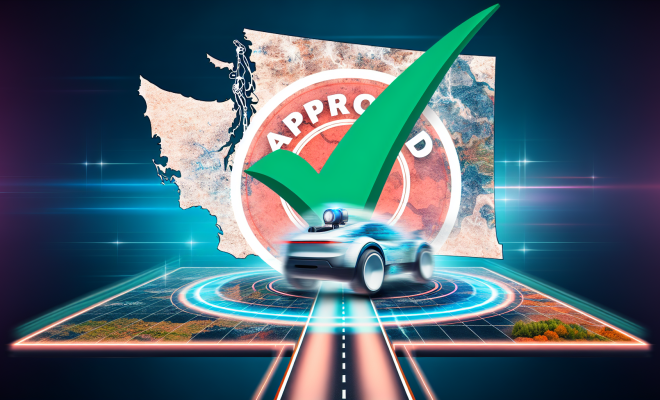
In a landmark decision, electric vehicle (EV) manufacturer Rivian has received approval for direct-sales operations in Washington state. This regulatory victory marks a significant shift in the way consumers can purchase electric vehicles, allowing them to buy directly from the manufacturer rather than through traditional dealerships.
Understanding the Direct-Sales Model
The approval allows Rivian to sell its innovative electric models, including the R1T pickup truck and the R1S SUV, directly to consumers. This move not only streamlines the purchasing process but also aligns with Rivian’s strategy to enhance customer experience by eliminating the intermediary step typically involved in the automotive sales process.
By bypassing the conventional dealership model, Rivian aims to create a more transparent and efficient purchasing environment. Customers can expect a more straightforward buying experience, with direct access to information about vehicle features, pricing, and financing options. This model is becoming increasingly popular among EV manufacturers, who seek to establish closer relationships with their customers.
The Implications of Direct-Sales Approval
Rivian’s approval for direct sales in Washington is not just a localized victory; it has broader implications for the company’s expansion strategy across the United States. As the competitive landscape of the automotive industry evolves, manufacturers like Rivian are focusing on direct-to-consumer sales models as a way to capture market share in the growing EV segment.
According to recent industry reports, the demand for electric vehicles is surging, driven by increasing consumer awareness of environmental issues and the desire for sustainable transportation options. Rivian’s direct-sales model is expected to resonate well with eco-conscious consumers who prefer to engage with brands that prioritize transparency and sustainability.
Key Features of Rivian’s EV Offerings
The R1T and R1S models exemplify Rivian’s commitment to innovation and performance. Here are some noteworthy features of these vehicles:
- Rivian R1T: This all-electric pickup truck boasts a maximum range of up to 400 miles on a single charge, making it an ideal choice for outdoor enthusiasts and adventure seekers.
- Rivian R1S: The R1S SUV combines luxury and utility, offering seating for seven and a spacious interior designed for family travel.
- Performance: Both models come equipped with quad-motor all-wheel drive, enabling impressive acceleration and handling on various terrains.
- Technology: Rivian vehicles feature advanced tech integrations, including a robust infotainment system and over-the-air software updates.
Market Expansion and Future Prospects
This direct-sales approval is a crucial step for Rivian as it seeks to expand its footprint in key U.S. markets. Washington state is known for its environmentally conscious consumer base, making it a strategic location for Rivian’s direct-sales model. Successful implementation in Washington could serve as a blueprint for similar approvals in other states.
Furthermore, Rivian’s direct sales strategy aligns with the broader trend towards online vehicle purchasing, which has gained momentum in recent years. Many consumers are now comfortable making significant purchases online, a shift that has been accelerated by the COVID-19 pandemic.
Challenges Ahead
Despite this regulatory victory, Rivian will face challenges as it implements its direct-sales model. The traditional dealership network has long been entrenched in the automotive industry, and resistance from established dealerships may arise as Rivian expands its operations. Additionally, the company must navigate state-specific regulations and consumer preferences, which can vary widely across the country.
Moreover, Rivian will need to effectively manage its supply chain and production capacity to meet growing demand. The automotive industry is currently facing significant challenges related to supply chain disruptions, which could impact Rivian’s ability to deliver vehicles in a timely manner.
Conclusion
Rivian’s recent approval for direct sales in Washington state represents a transformative moment in the electric vehicle market. By allowing consumers to purchase vehicles directly from the manufacturer, Rivian is setting a new standard for customer experience in the automotive industry. As the company moves forward, it will be essential to address potential challenges while capitalizing on its innovative direct-sales model.
As electric vehicle adoption continues to rise, Rivian’s approach may serve as a model for other manufacturers looking to streamline their sales processes and enhance customer engagement. The road ahead is filled with possibilities, and Rivian is well-positioned to lead the charge in the evolving automotive landscape.