UK Pioneers Floating Wetlands to Restore Coastal Ecosystems
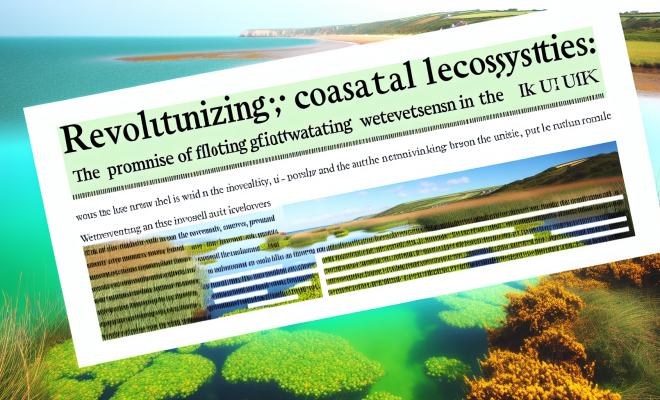
In a groundbreaking initiative to combat biodiversity loss and restore marine ecosystems, researchers in the UK are deploying floating wetlands as a scalable solution. This innovative approach aims to address the significant decline of marine vegetation, including crucial species such as saltmarsh, seagrass, and kelp, which have seen a staggering reduction of 85% over the past 50 years.
The Crisis of Coastal Biodiversity
The decline of marine vegetation is not just an environmental concern; it represents a fundamental threat to coastal ecosystems and the services they provide. Healthy marine environments are essential for supporting a diverse range of wildlife, maintaining water quality, and protecting coastlines from erosion. The loss of these habitats can lead to a cascade of negative effects, including diminished fish populations and increased vulnerability to climate change.
Understanding Floating Wetlands
Floating wetlands are artificial structures that mimic natural wetlands but are designed to float on the water’s surface. They typically consist of a buoyant platform that supports a variety of native plant species. These plants play a vital role in purifying water, enhancing habitat for wildlife, and providing shelter and food for marine life.
The primary goal of the floating wetlands project is to enhance biodiversity and recover degraded coastal habitats. By reintroducing vital plant species, researchers hope to promote the growth of marine vegetation that can support a wider range of species, including fish, birds, and invertebrates.
Environmental Benefits
Floating wetlands offer numerous environmental benefits:
- Habitat Restoration: They provide an immediate habitat for marine life, facilitating the recovery of fish and other species that rely on healthy ecosystems.
- Water Quality Improvement: The plants in floating wetlands absorb excess nutrients and pollutants, leading to cleaner water and improved conditions for aquatic life.
- Carbon Sequestration: Wetlands are known for their ability to sequester carbon, helping to mitigate climate change by reducing greenhouse gases in the atmosphere.
- Coastal Protection: By stabilizing sediments and reducing wave energy, floating wetlands can help protect shorelines from erosion.
Implementation and Community Engagement
The deployment of floating wetlands is not just a scientific endeavor; it also involves community engagement and education. Local communities are encouraged to participate in the project, which fosters a sense of ownership and responsibility towards their coastal environments. This participatory approach is crucial for ensuring the long-term success of the initiative.
Workshops and educational programs are being organized to raise awareness about the importance of coastal ecosystems and the role of floating wetlands in enhancing biodiversity. By involving local residents, the project aims to cultivate a culture of conservation and stewardship that extends beyond the life of the floating wetlands.
Challenges and Future Directions
While the floating wetlands project represents a promising solution to biodiversity loss, it is not without its challenges. Ensuring that the right species are selected for each specific environment is crucial for the success of the wetlands. Additionally, ongoing monitoring and maintenance will be necessary to adapt to changing environmental conditions.
Looking ahead, researchers are optimistic about the scalability of floating wetlands. The flexibility of these structures allows them to be adapted to various coastal environments, making them a viable option for restoration projects across different regions. As more data is collected and analyzed, the insights gained will inform future deployments and enhance the overall effectiveness of floating wetlands.
Conclusion
The deployment of floating wetlands in the UK represents a significant step toward restoring coastal ecosystems and boosting biodiversity. As researchers continue to explore and refine this innovative solution, the hope is that it will serve as a model for similar initiatives worldwide. By addressing the alarming decline of marine vegetation through proactive measures, we can work towards a healthier and more resilient future for our coastal environments.
As communities engage in these efforts, the combined power of science and local action will be essential in reversing the trend of biodiversity loss and fostering a sustainable relationship with our precious coastal ecosystems.