Over 10% of Oceans Protected: A Milestone in Marine Conservation 2024
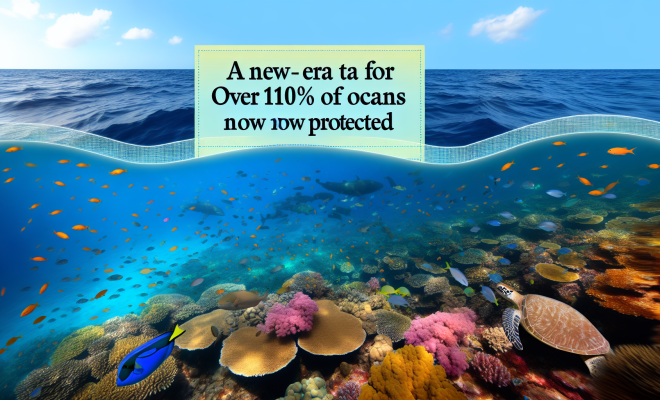
In a significant stride toward marine conservation, nations around the globe have reached a pivotal milestone by officially protecting more than 10% of the world’s oceans. According to the United Nations Environment Programme (UNEP), the protected ocean area has now reached an impressive 10.01%, a notable increase from 8.6% just two years prior in 2024. This development marks a vital step forward in global efforts to safeguard marine ecosystems and biodiversity, and it underscores a growing recognition of the oceans’ importance to the planet.
Expanding Protected Areas
Over the past two years, approximately 5 million square kilometers of ocean have been designated as protected areas. To put this into perspective, this newly protected expanse is larger than the entire landmass of the European Union. Such an increase not only reflects a commitment from nations to prioritize environmental protection but also highlights the urgent need to address the myriad challenges facing our oceans.
The Role of the Ocean in Our Ecosystem
Neville Ash, director of UNEP’s World Conservation Monitoring Centre, emphasized the ocean’s critical role in sustaining life on Earth. The ocean is responsible for producing more than half of the world’s oxygen, acting as a vital component in the global climate system. Ash called this achievement a moment for celebration, but he also stressed that there is much work left to be done. He noted the need to protect an area equivalent to the size of the Indian Ocean in the next four years if the ambitious goal of protecting 30% of the ocean by 2030 is to be met.
Challenges Facing Marine Ecosystems
Despite this progress, the ocean continues to face numerous threats, including:
- Overfishing: Unsustainable fishing practices have led to the depletion of fish stocks and disrupted marine food chains.
- Pollution: Plastics and other pollutants enter the ocean, harming marine life and ecosystems.
- Climate Change: Rising temperatures and ocean acidification are altering marine habitats and threatening biodiversity.
- Habitat Destruction: Coastal development and destructive fishing methods are damaging critical habitats like coral reefs and mangroves.
Addressing these challenges will require not only increased protected areas but also comprehensive management strategies and international cooperation.
International Collaboration and Future Goals
The push to protect more ocean areas is part of a broader international effort that includes various treaties and agreements aimed at preserving marine biodiversity. The 30% by 2030 target aligns with the Convention on Biological Diversity and the Global Biodiversity Framework, which calls for enhanced protection of habitats essential for biodiversity.
As countries navigate the complexities of marine governance, collaboration will be paramount. This includes sharing knowledge, resources, and best practices to effectively manage and protect marine environments. The recent milestone serves as a catalyst for nations to come together and intensify their efforts.
Local and Indigenous Community Involvement
In addition to governmental action, local and indigenous communities play a crucial role in ocean conservation. These communities often possess valuable traditional knowledge and practices that can contribute to sustainable management. Involving them in decision-making processes can lead to more effective conservation strategies and foster a deeper connection between people and their marine environments.
Public Awareness and Education
Public awareness and education are also vital components in the fight to protect our oceans. Increasing knowledge about the importance of marine ecosystems can inspire individuals and communities to take action, whether through supporting sustainable practices, participating in clean-up efforts, or advocating for stronger environmental policies.
Organizations and campaigns focused on ocean literacy are essential for bridging the gap between science and the public. By fostering a greater understanding of the ocean’s significance, we can cultivate a generation of ocean stewards committed to protecting these vital resources.
The Path Forward
Achieving the goal of protecting 30% of the ocean by 2030 will require concerted efforts from all sectors of society, including governments, businesses, civil society, and individuals. The recent progress in ocean protection offers hope and motivation for continued action. As we celebrate this milestone, it is crucial to remain vigilant, proactive, and committed to the health of our oceans.
In conclusion, the achievement of protecting over 10% of the ocean is a landmark moment in global conservation efforts. It symbolizes the potential for positive change and a collective commitment to safeguarding the planet’s marine resources. However, the journey is far from over, and the call to action remains urgent as we aim to protect our oceans for future generations.