US Rental Crisis 2024: Half of Renters Burdened by Housing Costs
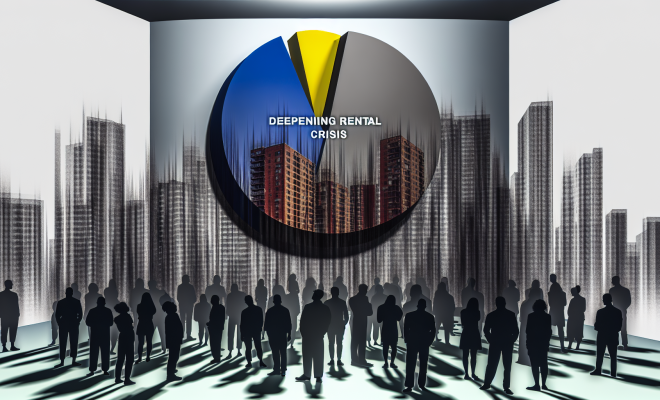
The struggle for affordable rental housing in the United States continues to escalate, as revealed by a recent report from the Joint Center for Housing Studies of Harvard University. The study highlights a troubling trend: nearly 50% of renters across the nation are spending more than 30% of their income on housing expenses in 2024. This critical threshold is a widely recognized benchmark for housing affordability, indicating that millions of Americans are facing significant financial strain due to rising rents.
Multifamily Construction Slows Amid Affordability Challenges
As rental costs soar, the pace of multifamily construction has begun to slow, compounding the affordability crisis. In many regions, the supply of new rental units is not keeping pace with demand, exacerbating the squeeze on renters. This dynamic is particularly concerning given that the shortage of affordable housing options affects individuals across various income levels.
North Carolina’s Rental Landscape
In North Carolina, the situation mirrors national trends. Renters in the state are now spending, on average, around 30% of their income on housing. Alarmingly, more than 50% of homes in cities like Winston-Salem, Greensboro, and High Point are classified as cost-burdened. This means that residents are struggling to find adequate housing without compromising their financial stability.
Legislative Response to the Crisis
In response to the growing affordability crisis, the U.S. Senate recently passed a bipartisan bill aimed at enhancing housing affordability. The legislation focuses on deregulation and expanding existing programs to alleviate some of the burdens affecting both developers and renters. Notable support for this initiative came from Sue Ansel, CEO of Gables Residential, who praised the bill for addressing critical drivers of development costs.
Key Provisions of the Bipartisan Bill
- Deregulation: The bill seeks to streamline the regulatory process associated with multifamily housing developments, reducing bureaucratic hurdles that often delay construction.
- Program Expansions: By expanding existing housing assistance programs, the legislation aims to provide more support to low- and moderate-income families.
- Incentives for Developers: The bill includes measures to incentivize developers to build affordable housing units, potentially increasing the availability of rental options.
The Broader Implications of Cost-Burdened Renters
The implications of a large segment of the population facing cost burdens are far-reaching. When individuals allocate a significant portion of their income to housing, they often have less disposable income for other essential needs such as healthcare, education, and savings. This situation can lead to increased stress, reduced quality of life, and higher rates of homelessness.
Impact on Communities
Communities also suffer when a significant number of residents struggle with housing costs. Local economies may stagnate as people are forced to spend more on rent and less on local goods and services. Additionally, the social fabric of communities can fray as families are displaced due to unaffordable rents, leading to instability and a decrease in community cohesion.
Looking Ahead: Strategies for Improvement
As the rental housing crisis continues to evolve, various strategies are being discussed to mitigate the challenges faced by renters. These include:
- Increasing Housing Supply: Encouraging the construction of new rental units, particularly affordable ones, is essential. This can be achieved through changes in zoning laws and providing financial incentives to developers.
- Enhancing Rent Control Measures: Some advocates suggest implementing or expanding rent control measures to protect tenants from sudden price hikes.
- Promoting Alternative Housing Models: Exploring alternative housing options, such as co-housing or community land trusts, may provide innovative solutions to the affordability crisis.
Conclusion
The findings from the Joint Center for Housing Studies of Harvard University serve as a wake-up call to policymakers, developers, and communities alike. With nearly half of U.S. renters now spending over 30% of their income on housing, urgent action is required to address the affordability crisis. The recent bipartisan bill is a step in the right direction, but sustained efforts will be necessary to create a more equitable and affordable housing landscape for all Americans.