Renault India’s Sales Soar 64% in May 2026: What’s Fueling the Growth?
“`html
Introduction
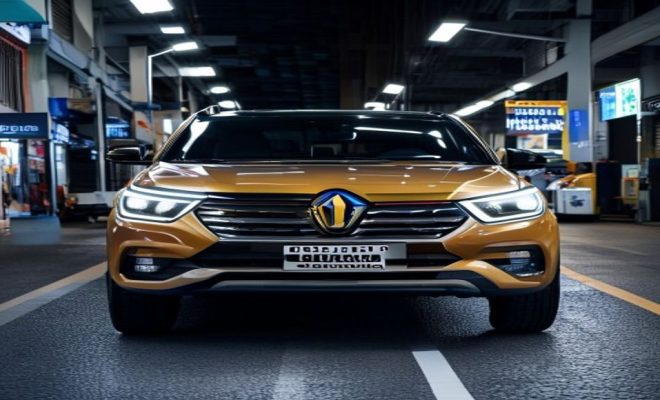
Renault India has recently made headlines with a staggering 64% increase in passenger vehicle sales for May 2026 compared to the same month in 2025. The numbers jumped from 2,502 units last year to 4,113 this year, showcasing a remarkable resurgence for the brand within the competitive Indian automotive market. This growth not only highlights a strategic turnaround for Renault but also paints a broader picture of the strengthening automotive sector in India.
The surge in sales is drawing significant attention from both automotive enthusiasts and investors, prompting discussions on social media and in business circles about the catalysts behind this unexpected rise. This article will explore the factors contributing to the Renault India sales increase, the implications of this trend for the brand and the market, and what it could mean for potential investors and consumers alike.
Market Context: A Competitive Landscape
The Indian automotive industry has always been fiercely competitive, with major players like Maruti Suzuki, Hyundai, and Tata Motors dominating the scene. Each of these brands has made significant investments in technology and marketing to capture consumer interest. However, Renault’s recent sales increase stands out against this backdrop, indicating a shift in market dynamics.
Despite the challenges presented by a highly saturated market, Renault seems to have carved a niche for itself, building on strategic model launches that resonate with Indian consumers. This is particularly notable, given that many brands struggled to maintain their sales figures in the same period. Factors such as fluctuating consumer confidence and economic uncertainties have made it difficult for companies to see similar growth. Renault’s ability to thrive amidst these challenges is nothing short of remarkable.
Strategic Model Launches: Key to Success
One of the primary drivers behind Renault India’s sales increase is its strategic focus on model launches that cater to the specific needs and preferences of Indian consumers. The introduction of vehicles that combine affordability with modern features has been pivotal. For instance, the launch of models like the Kwid and Kiger has attracted a diverse customer base, from first-time buyers to families needing a reliable vehicle.
By emphasizing features such as fuel efficiency, compact design, and advanced safety technology, Renault has managed to appeal to the increasingly discerning Indian consumer. Additionally, the brand has focused on enhancing its after-sales service, which plays a critical role in customer retention and satisfaction. This multi-faceted approach to product development and consumer engagement has proven effective, as evidenced by the sales figures.
Improved Consumer Confidence in the Automotive Sector
The resurgence of Renault can also be attributed to a broader trend of improving consumer confidence in the Indian automotive sector. After facing disruptions due to the COVID-19 pandemic, many consumers are now more willing to invest in new vehicles. The easing of restrictions and a gradual return to normalcy have fostered optimism among potential car buyers.
Moreover, government incentives aimed at boosting manufacturing and sales in the automotive sector have further encouraged consumer spending. Programs promoting electric vehicles and environmentally friendly technologies have also sparked interest in new models that align with these initiatives. Renault’s timely adaptation to these market shifts has positioned it favorably to capture this renewed interest.
Challenges Overcome: A Resilient Brand
For years, Renault faced challenges in the Indian market, including fluctuating sales and an inadequate service network, which hampered its growth prospects. The company’s struggle to establish a strong foothold led many to question its longevity in a rapidly evolving market. However, the latest sales figures indicate a significant turnaround.
This revival is not just about increased numbers; it’s a testament to Renault’s resilience and adaptability. The brand has learned from its past missteps, investing in market research and engaging with consumers to better understand their needs. By leveraging this feedback, Renault has re-engineered its offerings to better meet the challenges posed by the competitive landscape. (See: Indian automotive industry trends.)
The Emotional Charge: A Story of Overcoming Odds
The narrative surrounding Renault’s recent success resonates emotionally with many consumers and investors. The concept of a brand overcoming previous struggles to achieve growth is compelling, especially in a market like India, where brand loyalty is significant. As Renault makes strides in regaining its market share, stories of customer satisfaction and loyalty are becoming more frequent, further fueling consumer interest.
This emotional connection can be powerful. It not only enhances brand identity but also attracts potential buyers who want to be part of a success story. Social media platforms have seen an uptick in discussions around Renault, with users sharing their positive experiences and showcasing their new vehicles. This word-of-mouth marketing is invaluable and contributes significantly to the Renault India sales increase.
Implications for Investors and the Automotive Industry
The Renault India sales increase is drawing attention from investors, particularly those looking for emerging market leaders in the automotive sector. As the brand continues to gain traction, it presents an intriguing investment opportunity. Analysts suggest that Renault’s recent performance could be indicative of broader trends within the industry that are worth capitalizing on.
For potential investors, the key takeaway is that Renault’s strategic adaptations and understanding of consumer needs have not only contributed to its recent success but could also signal a sustainable growth trajectory. This could lead to a ripple effect where other brands might need to follow suit to remain competitive. The Renault story is not just about one brand’s resurgence; it reflects broader shifts in the automotive market and changing consumer behaviors.
What Lies Ahead for Renault India?
Looking forward, Renault’s challenge will be to sustain this growth momentum. The automotive industry is notoriously cyclical, and while the current trends are promising, maintaining sales figures will require constant innovation and responsiveness to market changes. Renault has already begun exploring avenues such as electric vehicles (EVs) and hybrid models, which could be crucial for its future success in a market increasingly focused on sustainability.
Additionally, further investment in customer service and expanding its dealership network will be essential for building long-term brand loyalty. The groundwork Renault lays now will determine its ability to adapt to future challenges and continue attracting new customers.
The Role of Social Media and Digital Marketing
Social media marketing has become a vital tool in shaping consumer perception and driving sales in the automotive sector. Renault is leveraging platforms like Instagram, Facebook, and Twitter to share success stories, engage with customers, and promote their latest models. The positive buzz generated from satisfied customers can significantly influence potential buyers, as many people now turn to social media for product recommendations.
Moreover, digital marketing strategies that include targeted advertisements and influencer collaborations are gaining traction. By reaching diverse audiences through tailored campaigns, Renault is not just selling cars; it’s selling a lifestyle. This approach not only enhances brand visibility but also helps establish a modern brand image that appeals to younger consumers.
The Rising Demand for Electric Vehicles
As global awareness of environmental issues increases, the demand for electric vehicles (EVs) has surged. Renault has been proactive in recognizing this shift and is intensifying its focus on developing and marketing electric models in India. The brand’s commitment is evident with the recent introduction of the Renault Zoe and the upcoming launch of the Kwid EV. These models are not just environmentally friendly; they also cater to a growing segment of consumers looking for sustainable options.
Statistics reveal that the EV market in India is projected to grow at a CAGR of over 40% in the coming years. With the government providing incentives and subsidies for EV purchases, Renault’s strategic push into this segment aligns perfectly with market trends. This positions Renault as a leader in the EV space, potentially boosting sales even further as consumers become more environmentally conscious.
Customer-Centric Innovations
In an era where customer preferences are ever-evolving, Renault’s focus on customer-centric innovations has played a crucial role in its recent success. By utilizing customer feedback and market research, Renault has developed features that cater directly to Indian consumers, such as more spacious interiors, contemporary infotainment systems, and advanced safety features. (See: automotive sales in India.)
The implementation of technology like connected car services allows drivers to access information about their vehicles through mobile apps. This level of convenience and connectivity has resonated with tech-savvy consumers, driving interest in Renault’s offerings. Furthermore, Renault’s commitment to continuous improvement through customer engagement initiatives fortifies its reputation as a brand that listens and adapts.
Comparative Analysis: Renault vs Competitors
To truly appreciate Renault’s success, it’s essential to compare its performance with that of its competitors. Brands like Maruti Suzuki and Hyundai have a strong foothold in the Indian market, yet Renault’s growth rate in recent months signals a shift. While Maruti Suzuki continues to lead in overall sales, the competitive pressure from Renault is increasing as it captures a larger market share with innovative pricing strategies and appealing models.
For example, Maruti’s WagonR and the Hyundai Santro have been perennial favorites, but Renault’s Kwid offers a unique aesthetic and budget-friendly pricing that has attracted young buyers. Analysts note that Renault’s ability to balance affordability with modern features gives it a competitive edge, particularly in the small car segment which is a staple for Indian consumers.
Frequently Asked Questions (FAQ)
Q1: What factors contributed to Renault India’s sales increase in May 2026?
A1: The sales increase can be attributed to strategic model launches, improving consumer confidence, and effective marketing strategies, particularly in digital and social media. Additionally, the brand’s focus on electric vehicles and customer-centric innovations played a significant role.
Q2: How does Renault’s performance compare to its competitors?
A2: While competitors like Maruti Suzuki and Hyundai dominate the market, Renault’s recent growth signals a shift in consumer preferences. Renault has successfully captured a segment of buyers who value affordability and modern features, setting it apart in the competitive landscape.
Q3: Are there specific models that have driven Renault’s sales up?
A3: Yes, models like the Renault Kwid and Kiger have been pivotal in driving sales. These vehicles cater to various customer needs, from budget-conscious buyers to those seeking modern features in compact designs.
Q4: What is Renault’s strategy for electric vehicles in India?
A4: Renault is focusing on expanding its electric vehicle lineup, with models like the Zoe and the upcoming Kwid EV. The brand aims to leverage government incentives and a growing consumer base interested in sustainable transportation.
Q5: What does the future hold for Renault in India?
A5: Renault aims to sustain its growth by continually innovating and expanding its product offerings. The brand will focus on enhancing customer service, investing in EV technologies, and maintaining its competitive edge through strategic marketing and model launches.
Challenges in the Future
While Renault India is currently riding a wave of success, the road ahead is fraught with challenges that need to be addressed to maintain growth. Competition in the automotive market is only expected to intensify, especially with new entrants and sustained pressure from existing rivals. To stay ahead, Renault must keep innovating and adapting to changing consumer preferences and technological advancements. (See: Renault India's sales surge.)
One of the major challenges will be the rapid evolution of technology within vehicles, particularly the integration of advanced driver-assistance systems (ADAS). Consumers are increasingly expecting high-tech features in vehicles, and Renault will need to invest in R&D to keep up with competitors who are already deploying these technologies. Furthermore, as the world moves towards autonomous driving, Renault needs to have a clear roadmap on how to integrate these technologies into its offerings.
Exploration of New Markets
In addition to focusing on the domestic market, Renault India is also exploring opportunities in international markets. Expanding into neighboring countries can help mitigate some of the risks associated with economic fluctuations in India. Countries like Nepal, Bhutan, and Bangladesh have shown potential for growth in automotive sales, and Renault could benefit from establishing a presence there.
This expansion strategy could be complemented by partnerships or joint ventures with local manufacturers to navigate regulatory challenges more effectively. By diversifying its market presence, Renault may not only stabilize its revenue streams but also enhance brand visibility on a global scale.
The Importance of Sustainability
With increasing scrutiny on carbon emissions and environmental sustainability, Renault’s commitment to eco-friendly practices is more important than ever. The shift towards electric vehicles is just one aspect of this commitment. Renault needs to ensure that its manufacturing processes are sustainable, from sourcing raw materials to production methods.
In this vein, Renault has implemented several initiatives aimed at reducing its carbon footprint, such as using renewable energy sources in its factories and adopting more efficient production techniques. These initiatives not only align with global sustainability goals but also resonate with consumers who are increasingly making environmentally conscious choices.
Conclusion: A Promising Future Ahead
Renault India’s sales increase is a remarkable case study in resilience, adaptability, and consumer engagement within a competitive market. The brand’s strategic focus on model launches, improved consumer confidence, and effective use of digital marketing have all contributed to its success. As Renault continues to navigate this challenging landscape, its story serves as an inspiration for other automotive brands aiming for similar recoveries.
So, if you’re watching the Indian automotive market, keep an eye on Renault. The company isn’t just on the rise; it’s redefining its place in the market, making a significant impact, and proving that with the right strategies, overcoming challenges is entirely possible.
“`
Trending Now
Frequently Asked Questions
What factors contributed to Renault India's 64% sales increase?
Renault India's 64% sales increase can be attributed to strategic model launches that resonate with Indian consumers, effective marketing strategies, and a broader resurgence in the Indian automotive sector. Despite a competitive landscape, Renault has carved a niche, appealing to consumer preferences and adapting to market dynamics.
How does Renault's sales performance compare to competitors?
Renault's impressive sales increase stands out in a competitive market dominated by brands like Maruti Suzuki and Hyundai. While many competitors struggled to maintain sales figures, Renault's growth indicates a shift in market dynamics and highlights its successful strategies in appealing to consumers.
What does Renault's sales growth mean for investors?
Renault's significant sales growth signals a potential opportunity for investors, showcasing the brand's resilience and ability to thrive in a challenging market. This upward trend may indicate a strengthening position within the automotive sector, making it an attractive prospect for investment.
What is the current state of the Indian automotive market?
The Indian automotive market is highly competitive, with major players battling for consumer attention. Despite challenges like economic uncertainties and fluctuating consumer confidence, there is a noticeable recovery, as evidenced by Renault's impressive sales increase and strategic positioning within the industry.
What models are driving Renault India's sales surge?
While the article does not specify exact models, it highlights that Renault's strategic launches tailored to Indian consumer preferences have been pivotal in driving sales. These models likely incorporate features and pricing that resonate well with the target audience, contributing to the overall sales increase.
What’s your take on this? Share your thoughts in the comments below — we read every one.