Revitalizing Education: Making Schools Human Again
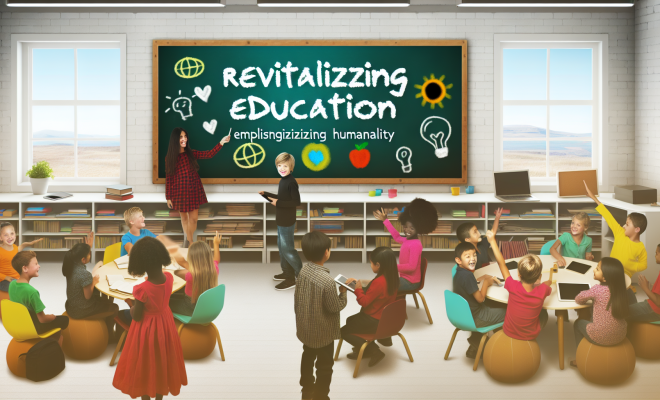
In the wake of unprecedented disruptions that have shaken the foundations of education, a clarion call arises: it is time to return to the essence of what it means to make schools human again. Educators, administrators, parents, and students alike are recognizing the need for a fundamental shift in how we approach learning environments. Jennifer Yoo-Brannon, an educator and advocate for compassionate schooling, articulates this transition beautifully as she reflects on the journey from demoralization to renewal.
The Landscape of Education Post-Disruption
The years following the onset of the global pandemic have been a tumultuous period for educational institutions. Schools faced an array of challenges, from remote learning struggles to mental health crises among students and staff. The traditional frameworks of education were tested, leading to a collective sense of uncertainty and disillusionment.
Yoo-Brannon emphasizes that this disruption has not just been a temporary setback; it has exposed systemic issues within the educational landscape that require urgent attention. The question arises: how can we rebuild schools that prioritize the well-being and humanity of every individual involved?
Transitioning from Demoralization to Renewal
The journey toward reimagining schools starts with understanding the deep-seated feelings of demoralization that many educators and students have experienced. The intense pressure to conform to standardized testing and rigid curricula often overshadowed the fundamental purpose of education: nurturing the minds and hearts of young people.
Yoo-Brannon advocates for a shift in focus from merely academic achievements to fostering an environment where empathy and compassion are at the forefront. This approach encourages educators to engage with their students on a more personal level, understanding their individual needs, challenges, and aspirations.
Building Compassionate Educational Environments
To create schools that resonate with human values, it is essential to engage all stakeholders in the process. This includes teachers, students, parents, and the broader community. Each group plays a pivotal role in shaping a compassionate educational environment.
- Teachers: Educators must be empowered to cultivate meaningful relationships with their students. This involves professional development focused on social-emotional learning and trauma-informed practices.
- Students: Students should be encouraged to express their thoughts, emotions, and experiences. Creating safe spaces for dialogue can help them feel valued and understood.
- Parents: Engaging parents in the educational journey fosters a collaborative atmosphere. Schools should provide resources and opportunities for parents to be involved in their children’s education.
- Community: Building partnerships with local organizations can enhance resources and support systems available to both students and schools.
The Role of Empathy in Education
At the heart of Yoo-Brannon’s message is the importance of empathy in education. As schools transition from a rigid, compliance-driven model to one that prioritizes human connection, empathy must be embedded in every aspect of the learning experience.
Empathy allows educators to understand the unique challenges their students face. It encourages teachers to listen actively and respond thoughtfully to the diverse needs within their classrooms. This is particularly crucial in a post-disruption era, where many students have experienced trauma, loss, and uncertainty.
Practical Strategies for Fostering Empathy
Yoo-Brannon suggests several practical strategies that educators can implement to foster empathy within their classrooms:
- Mindfulness Practices: Incorporating mindfulness techniques can help students develop self-awareness and emotional regulation, which are essential for empathetic interactions.
- Collaborative Learning: Encouraging group work and peer-to-peer learning fosters a sense of community and mutual support among students.
- Storytelling: Sharing personal stories can deepen connections between students and teachers, creating a shared understanding of experiences.
- Service Learning: Engaging students in community service projects helps them develop a sense of responsibility and empathy for others.
Collective Efforts for Lasting Change
Rebuilding schools that prioritize humanity requires collective efforts from all stakeholders. It is not enough for educators to act in isolation; systemic change is necessary to create environments where empathy and compassion thrive.
Yoo-Brannon calls for a collaborative approach to educational reform, urging policymakers, school leaders, and educators to work together to create policies that support human-centered practices. This includes advocating for adequate funding, resources, and training focused on social-emotional learning and trauma-informed education.
The Role of Educational Leadership
School leaders play a crucial role in this transformation. They must champion a vision of education that prioritizes the well-being of students and educators alike. This involves:
- Modeling Empathy: Leaders should demonstrate empathetic behaviors in their interactions with staff, students, and parents.
- Creating a Supportive Culture: Establishing a school culture that values mental health and emotional well-being is essential for fostering a compassionate environment.
- Encouraging Professional Development: Investing in ongoing training for teachers on social-emotional learning can equip them with the tools to support their students effectively.
Engaging the Community
The involvement of the community is paramount in creating a supportive educational environment. Schools should seek partnerships with local organizations, businesses, and mental health professionals to enhance resources available to students and families.
Community engagement can take many forms, including:
- Workshops and Training: Offering workshops for parents and community members on topics such as mental health awareness, conflict resolution, and effective communication.
- Collaboration with Nonprofits: Partnering with local nonprofits to provide additional support services, such as counseling and mentoring programs.
- Advocacy: Engaging community members in advocating for policies that support mental health resources and social-emotional learning in schools.
Measuring Success: The Impact of Human-Centered Education
As schools embark on this journey toward becoming more human-centered, it is essential to measure the impact of these changes. Traditional academic metrics may not fully capture the success of compassionate educational environments, so new methods of assessment must be explored.
Yoo-Brannon suggests the following approaches to evaluate the effectiveness of human-centered education:
- Student Feedback: Regularly soliciting feedback from students about their experiences can provide valuable insights into the school’s climate and culture.
- Social-Emotional Assessments: Implementing assessments that measure students’ social-emotional well-being can help track progress over time.
- Community Surveys: Engaging parents and community members in surveys can help gauge their perceptions of the school’s impact on students’ emotional and social development.
Looking Ahead: A Vision for the Future of Education
As we look ahead, it is clear that the future of education must be rooted in humanity. The lessons learned from the disruptions of recent years provide a unique opportunity to reshape our approach to learning. By prioritizing empathy, compassion, and collaboration, we can create educational environments that foster not only academic success but also emotional resilience and personal growth.
Yoo-Brannon’s call to action serves as a reminder that the journey toward making schools human again is a collective effort. It requires the commitment of educators, students, parents, and community members to work together in cultivating compassionate educational spaces.
In conclusion, the path to renewing our schools lies in embracing the values of empathy and humanity. By focusing on the whole child and fostering meaningful connections within the educational community, we can ensure that the disruptions of the past lead to a brighter, more compassionate future for all students.