Master the Art of Origami: Fold Your Own Paper Crane
“`html
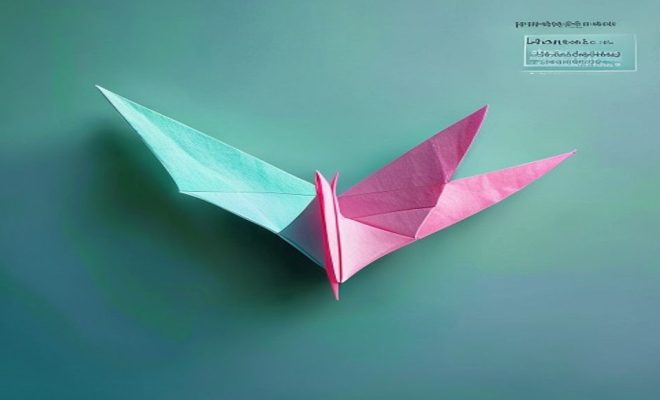
The art of origami has captivated people around the world for centuries, offering a unique blend of creativity, skill, and mindfulness. Among the myriad of origami creations, the paper crane stands out as a symbol of peace, hope, and good fortune. In this comprehensive guide, we will explore how to make a paper crane, diving into its history, significance, and providing you with a step-by-step tutorial to create your own beautifully folded crane.
1. The Symbolism of the Paper Crane
The paper crane, known as “orizuru” in Japanese, has a rich cultural significance that transcends mere aesthetics. According to Japanese tradition, folding 1,000 cranes grants the folder a wish. This belief became widely popularized through the story of Sadako Sasaki, a young girl who developed leukemia due to the atomic bombing of Hiroshima. She began folding cranes in hopes of recovery and peace, making the paper crane a poignant symbol of hope and resilience.
In various cultures, the crane is associated with longevity and fidelity. In Eastern cultures, it is believed that cranes live for a thousand years, which is why they are often depicted in art and literature as guardians or symbols of good luck. This cultural weight adds a layer of meaning and emotional connection to the simple act of folding a piece of paper.
2. The Materials You Need
Before you embark on your journey to learn how to make a paper crane, it’s essential to gather your materials. The primary item you’ll need is paper. While origami paper is ideal due to its thinness and square shape, you can use any piece of paper you have on hand, including printer paper, wrapping paper, or even colorful magazine pages. Here’s a quick list of what you’ll need:
- One square piece of paper (preferably origami paper)
- Scissors (if your paper isn’t already square)
- A flat surface to work on
Choosing the right paper can enhance your folding experience. Origami paper often comes in a variety of colors and patterns, allowing you to express your creativity. Thicker paper might be more challenging to fold, so if you’re just starting, opt for something thinner.
3. Basic Origami Folds to Master
Before you start folding the paper crane, it’s helpful to familiarize yourself with some basic origami folds. Understanding these foundational techniques will make the process smoother and more enjoyable. Here are a few essential folds:
- Valley Fold: Fold the paper towards you, creating a crease that looks like a valley.
- Mountain Fold: Fold the paper away from you, forming a peak.
- Reverse Fold: Fold the paper in a different direction, reversing a previous fold.
- Squash Fold: Open up a flap of paper and press it down to create a new crease.
Practicing these basic folds will give you a solid foundation, allowing you to tackle more complex designs like the paper crane with confidence. Each fold serves a specific purpose in your crane’s construction, so be sure to pay attention to the instructions as you proceed.
4. Step-by-Step Guide: How to Make a Paper Crane
Now that you’re equipped with the necessary materials and foundational folds, let’s dive into the step-by-step instructions on how to make a paper crane. Follow these steps carefully to create your own origami crane:
- Start with a square piece of paper: Position the paper so it is a diamond shape, with one point facing you.
- Fold in half diagonally: Bring the top corner down to the bottom corner and crease well. Unfold.
- Fold in half diagonally the other way: Bring the left corner to the right corner and crease well. Unfold.
- Fold in half vertically: Bring the top point down to the bottom point and crease well. Unfold.
- Collapse into a kite shape: Use the creases to fold the sides inward, creating a smaller kite shape.
- Fold the top point down: Take the top point of the kite and fold it down to meet the bottom point.
- Make the wings: Fold the two side flaps outwards to create the wings of the crane.
- Create the head: Fold one wing down slightly and then create a small reverse fold to form the head.
- Final adjustments: Adjust the wings and body as needed to make your crane look just right.
Once you’ve completed these steps, you’ll have your very own paper crane! Don’t worry if it doesn’t come out perfectly on the first try; origami is all about practice and patience. (See: Learn about the history of origami.)
5. Common Mistakes to Avoid
When learning how to make a paper crane, it’s easy to make a few common mistakes, especially if you’re new to origami. Here are some pitfalls to watch out for:
- Improper Crease: Make sure to create well-defined creases, as these will impact the overall shape of your crane. Use your fingernail to press down on folds for sharper creases.
- Ignoring the Instructions: It’s tempting to skip steps or make assumptions, but following the instructions closely will yield better results.
- Using the Wrong Type of Paper: Avoid using thick paper that’s difficult to fold, particularly for intricate designs. Thin origami paper is best.
By being mindful of these common mistakes, you’ll improve your origami skills and create more aesthetically pleasing cranes in no time.
6. Variations on the Classic Crane
Once you’ve mastered the classic paper crane, why not explore some variations? There are numerous adaptations and designs that you can try, each with its own unique charm. Here are a few popular options:
- Double Crane: A design that connects two cranes together, symbolizing unity.
- Crane with a Heart: A variation that incorporates a heart shape into the design, perfect for gifting.
- 3D Cranes: These cranes can be made with multiple pieces of paper, allowing for a more dynamic and striking appearance.
- Origami Crane Mobile: Combine several cranes of various sizes to create a beautiful mobile that catches the eye and adds a whimsical touch to any room.
Experimenting with different designs can keep your origami practice fresh and engaging. You might even consider combining techniques from various forms of art to create unique pieces.
7. The Therapeutic Benefits of Origami
Engaging in origami, such as learning how to make a paper crane, offers not just creative fulfillment but also numerous therapeutic benefits. Many people find origami to be a calming activity that helps reduce stress and anxiety. The focus required during folding can serve as a form of mindfulness, allowing individuals to immerse themselves in the present moment.
Additionally, origami can enhance fine motor skills and improve hand-eye coordination, making it an excellent exercise for people of all ages. Whether you’re a child learning to fold for the first time or an adult seeking a creative outlet, origami provides a rewarding experience that promotes mental well-being.
Research supports these benefits. A study published in the journal “Art Therapy” found that participants who engaged in art activities, including origami, reported significantly lower levels of anxiety and higher levels of relaxation. This suggests that folding paper cranes and other origami designs can be a fulfilling activity in more ways than one.
8. Connecting with the Origami Community
The origami community is vast and welcoming, with countless resources available for anyone interested in this beautiful art form. Online platforms, such as YouTube, allow you to find tutorials on how to make a paper crane and other designs, while social media groups offer opportunities to connect with fellow enthusiasts.
Moreover, local origami clubs often host workshops, exhibitions, and contests, providing a great way to meet like-minded individuals. Sharing your creations and learning from others can deepen your appreciation for this art form and inspire new ideas and techniques.
There are also many online forums and websites devoted to origami where you can share your works in progress and receive feedback. Websites like Origami USA or the International Origami Society are great places to start for those looking to connect with others who share their passion for folding paper. (See: Explore the benefits of mindfulness.)
9. Teaching Others the Art of Origami
Once you’ve become proficient in origami, consider sharing your knowledge with others. Teaching friends or family members how to make a paper crane can be a fulfilling experience, and it helps to reinforce your own skills. You could organize an origami workshop or simply host a folding night at your home.
This not only strengthens your understanding of the processes involved but also fosters a sense of community and collaboration. Plus, there’s something truly rewarding about watching someone else experience the joy of creating their first crane!
When teaching, remember to be patient and encourage your students to take their time. Everyone learns at their own pace, and what may seem simple to you now might be challenging for a beginner. Offering guidance and support can make a big difference in their learning experience.
10. Fun Facts About Paper Cranes
The paper crane is more than just a beautiful art piece; it carries with it a wealth of interesting facts and history. Here are a few fun tidbits that may surprise you:
- Sadako’s Legacy: The story of Sadako Sasaki has inspired countless people to fold cranes, leading to the creation of the Hiroshima Peace Memorial Park, which features a statue of Sadako holding a crane.
- Global Movement: The act of folding 1,000 cranes is now a global phenomenon, with people from various cultures taking part in this practice for healing and hope.
- Artistic Expression: Many artists have incorporated paper cranes into their work, creating large installations made of thousands of cranes, highlighting their beauty and the message of peace they represent.
- Massive Installations: One of the largest paper crane installations featured over 1,000 cranes hung in a display representing peace and unity, demonstrating how art can convey powerful messages.
11. Wrapping Up: The Endless Possibilities of Origami
Whether you’re folding alone in your room or sharing the experience with friends, learning how to make a paper crane is just the beginning of your origami journey. The beauty of origami lies in its versatility; you can create anything from simple shapes to complex designs, each with its own unique character and meaning.
As you continue to explore the world of origami, remember to embrace mistakes and imperfections. Every fold is a step toward improvement, and each crane you create carries with it a story and intention. So grab your paper, unfold your creativity, and let the art of origami inspire you.
12. Frequently Asked Questions about Making Paper Cranes
As you delve into the art of origami, you might have questions about the process of making a paper crane. Here are some frequently asked questions to help guide you:
- Can I use any type of paper to make a crane? Yes, while origami paper is preferred, you can use any paper that can be cut into a square shape. Thinner paper will be easier to fold.
- How long does it take to learn to make a paper crane? With practice, most people can learn the basic steps in about 15-30 minutes. Mastery comes with time and repetition.
- What do I do if my crane doesn’t look right? It’s completely normal, especially when you’re starting out. Take a moment to assess where the folds might have gone wrong, and don’t hesitate to start over if needed!
- Is there a significance to the colors of the paper I use? Different colors can have various meanings. For instance, white often symbolizes purity, while red is associated with good fortune and happiness.
- Can I make a paper crane with kids? Absolutely! It’s a great activity for kids, promoting fine motor skills and creativity. Just be sure to use child-friendly paper and supervise younger children with scissors.
These questions tackle some common concerns and curiosities, ensuring that your origami journey is as enjoyable and fulfilling as possible.
13. Exploring Advanced Techniques and Resources
After you’ve mastered the basic paper crane, you might be interested in expanding your skills further. There are numerous advanced origami techniques that can elevate your crafting experience: (See: Read about Sadako Sasaki's story.)
- Wet Folding: This technique involves slightly dampening your paper to allow for more curves and nuanced shapes, resulting in a more organic look for your cranes and other designs.
- Modular Origami: This involves creating multiple units that fit together to form a larger structure. It’s a great way to combine several paper cranes into a single, cohesive piece.
- 3D Origami: This style creates structures from multiple paper pieces folded and assembled together. You could create a 3D crane that stands on its own!
Online resources such as forums and tutorial videos can provide further insights and challenges. Websites like Origami.me and The Origami Resource Center are excellent for finding advanced tutorials that can help you explore new designs and techniques.
14. The Environmental Impact of Origami
As you engage in origami, it’s also worth considering the environmental aspects of your craft. Choosing eco-friendly paper options can make a significant difference. Many companies offer recycled origami paper that not only feels great to work with but also helps reduce waste.
You can also repurpose old newspapers, gift wrap, or scrap paper into origami, giving new life to materials that might otherwise be discarded. This creative reuse not only reduces waste but also adds a unique character to your creations.
As sustainability becomes increasingly important, the origami community is also finding ways to communicate these ideals. Initiatives like “Origami for the Earth” promote awareness about environmental conservation through this beautiful art form.
15. Conclusion: A Lifelong Journey of Folding
Learning how to make a paper crane opens the door to a fulfilling, lifelong journey in the world of origami. With each fold, you not only create art but also a connection to history, culture, and community. Whether you’re crafting for personal enjoyment or sharing the art with others, the possibilities are endless.
As you practice more and explore various techniques and styles, you’ll find that origami is not just about the final product but the joy of the folding process itself. It’s a chance to express yourself, find peace in creativity, and connect with others through a shared love of this intricate art form.
“`
Trending Now
Frequently Asked Questions
What is the significance of the paper crane in Japanese culture?
The paper crane, or 'orizuru' in Japanese, symbolizes peace, hope, and good fortune. According to tradition, folding 1,000 cranes grants a wish, a belief popularized by the story of Sadako Sasaki, who folded cranes in hopes of recovery after the Hiroshima bombing.
What materials do you need to make a paper crane?
To make a paper crane, you need one square piece of paper, preferably origami paper, scissors if your paper isn't square, and a flat surface to work on. You can also use printer paper or colorful magazine pages.
How do you fold a paper crane step by step?
To fold a paper crane, start with a square piece of paper and follow a series of precise folds that create the crane's body and wings. The article provides a detailed step-by-step tutorial to guide you through the folding process.
What does folding 1,000 paper cranes represent?
Folding 1,000 paper cranes is believed to grant the folder a wish, symbolizing hope and resilience. This tradition is deeply rooted in Japanese culture, reflecting the desire for peace and healing, particularly after tragic events.
Can you use any type of paper to make a paper crane?
Yes, you can use any type of paper to make a paper crane, but origami paper is ideal because it is thin and square-shaped. Alternatives like printer paper, wrapping paper, or colorful magazine pages can also be used.
Have you experienced this yourself? We’d love to hear your story in the comments.