Parents’ Fury: Inside the Legal Battle Over Teen Social Media Addiction
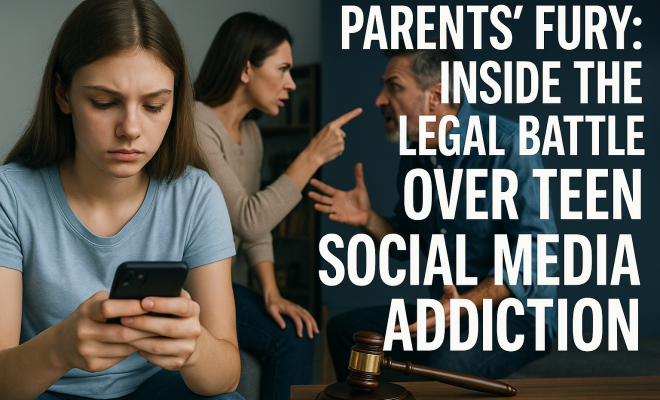
You’ve probably seen it at the dinner table, in the car, or even when you’re trying to have a conversation: a teenager’s head bowed, eyes glued to a glowing screen, fingers flying across a smartphone. It’s become such a common sight that we might even normalize it. But what if that constant digital engagement isn’t just a habit, but a carefully engineered addiction? What if the platforms our kids spend hours on are designed, quite deliberately, to keep them hooked, often at the expense of their mental health?
This isn’t a hypothetical question anymore. As of a recent July 2026 update from King Law, thousands of parents across the United States are asking this very thing, not just in their living rooms, but in courtrooms. They’re filing a social media addiction lawsuit against tech giants like TikTok, Instagram, and Facebook, alleging these companies knowingly craft addictive algorithms that prioritize profit over the well-being of our children. It’s a legal tsunami, driven by heartbreaking stories of depression, anxiety, and even suicidal ideation linked directly to excessive social media use. The stakes couldn’t be higher, and the conversation around digital well-being has reached a fever pitch.
The Unfolding Crisis: A Surgeon General’s Urgent Warning
The alarm bells have been ringing for a while, but they grew deafening in May 2026 when the U.S. Surgeon General issued a stark warning about the pervasive harm screen time inflicts on children and adolescents. It wasn’t just a general caution; it was a clear, unambiguous statement that the current trajectory is unsustainable and dangerous. This official pronouncement provided significant validation for parents who’ve long felt a gnawing unease about their children’s digital habits, offering expert backing to their intuitive fears.
The Surgeon General’s report wasn’t pulling punches. It highlighted compelling data, indicating that teenagers who spend more than three hours a day on social media face double the risk of experiencing poor mental health outcomes. Think about that for a moment: three hours. For many teens, that’s a conservative estimate. What might seem like harmless scrolling, liking, and sharing is, for a significant portion of young people, a direct pathway to increased feelings of sadness, hopelessness, and isolation. This isn’t just about feeling a little down; it’s about a statistically significant increase in the likelihood of serious mental health struggles that can impact every aspect of their lives.
This official warning has added considerable weight to the ongoing legal battles, transforming individual grievances into a recognized public health crisis. It underscores the argument that these platforms aren’t just benign tools but powerful forces shaping the emotional and psychological landscape of an entire generation. When the nation’s top public health official rings the alarm, it’s a signal that something is profoundly wrong, and it’s a call to action for parents, policymakers, and, crucially, the tech companies themselves.
The Core Allegation: Algorithms Designed for Addiction
At the heart of every social media addiction lawsuit lies a powerful and disturbing accusation: these platforms aren’t accidentally addictive; they are *intentionally* so. It’s not just that kids like them; it’s that the very architecture of these digital spaces is engineered to maximize engagement, to keep users scrolling, clicking, and interacting for as long as humanly possible. This isn’t a design flaw; it’s a feature, a business model built on the foundation of attention.
Consider the algorithms. These are sophisticated, constantly evolving sets of rules that determine what content you see, when you see it, and how it’s presented. For a teenager, this means a personalized feed that learns their preferences, their vulnerabilities, and their triggers. If a teen is feeling insecure, the algorithm might subtly serve up content that exacerbates those feelings, leading to more engagement as they seek validation or comparison. If they’re prone to anxiety, the endless stream of curated, often unrealistic, lives of others can become a relentless source of self-doubt. These aren’t random occurrences; they are the predictable outcomes of systems optimized for retention.
The plaintiffs in these cases argue that tech companies possess intimate knowledge of these psychological mechanisms. They employ legions of behavioral psychologists, data scientists, and user experience designers who understand the human brain’s reward pathways. They know that intermittent reinforcement – the unpredictable reward of a like, a comment, or a viral video – is one of the most powerful tools for fostering addiction. The lawsuits contend that these companies chose to deploy these potent tools on a vulnerable population – developing adolescents – despite knowing the potential for harm, all in pursuit of greater advertising revenue and market dominance. It’s a damning indictment of corporate responsibility.
Parental Outcry: From Concern to Legal Action
For years, parents have grappled with the pervasive influence of social media. We’ve tried setting screen time limits, having difficult conversations, even confiscating devices. But for many, these individual efforts felt like trying to hold back a rising tide with a colander. The sheer power of these platforms, their omnipresence, and the peer pressure they exert on young people often felt insurmountable.
The decision to file a social media addiction lawsuit isn’t made lightly. It typically comes after a period of intense struggle and heartache. It’s often when parents witness a significant decline in their child’s mental health – a once-vibrant child becoming withdrawn, anxious, depressed, or even expressing suicidal thoughts. They see their child’s grades slip, their friendships fray, their sleep patterns disrupted, all seemingly tied to their digital habits. They feel helpless, frustrated, and ultimately, betrayed by companies they believed were simply providing a communication tool.
These lawsuits represent a collective roar of frustration and a desperate plea for accountability. Parents are uniting, realizing that their individual struggles are part of a much larger pattern. They want justice for their children, but they also want systemic change. They want these companies to redesign their platforms with child safety, not just engagement, as a primary directive. It’s a deeply emotional battle, fueled by the love and fear parents feel for their kids, and it’s gaining momentum across the country. (See: CDC Youth Risk Behavior Survey.) Related reading: impact of violence on kids.
The Human Cost: Depression, Anxiety, and Suicidal Behaviors
The academic papers and legal documents can sometimes feel abstract, but behind every statistic and legal argument are real children experiencing profound suffering. The mental health crisis among adolescents is not theoretical; it’s tangible, devastating, and deeply personal for millions of families. The link between excessive social media use and a surge in depression, anxiety, and even suicidal behaviors is becoming increasingly clear, forming the emotional core of every social media addiction lawsuit.
Consider depression: The constant comparison to curated, idealized lives online can foster intense feelings of inadequacy and loneliness. Every perfect vacation photo, every flawless selfie, every group of friends laughing without you, can chip away at a teenager’s self-esteem. This isn’t just about feeling a bit jealous; it can spiral into clinical depression, characterized by persistent sadness, loss of interest in activities, changes in appetite or sleep, and feelings of worthlessness.
Anxiety is another pervasive outcome. The pressure to maintain an online persona, the fear of missing out (FOMO), the constant checking for notifications, and the vulnerability to cyberbullying all contribute to heightened anxiety levels. Teens can feel perpetually on edge, worried about their online image, their social standing, and the never-ending stream of information. This hyper-vigilance can manifest as panic attacks, generalized anxiety disorder, and social anxiety that bleeds into their real-world interactions.
Perhaps most tragically, the rise in suicidal ideation and attempts among adolescents coincides alarmingly with the proliferation of social media. For vulnerable teens, the online world can become a dark echo chamber, amplifying negative thoughts and providing access to harmful content. Cyberbullying, a constant threat on these platforms, can push already struggling individuals to the brink. The lawsuits argue that these platforms, by knowingly fostering environments conducive to these severe mental health issues, bear a significant responsibility for the tragic outcomes many families have faced.
Legal Strategy: Drawing Parallels to Big Tobacco
When legal experts discuss the social media addiction lawsuit, they often draw parallels to a landmark legal battle from the past: the lawsuits against the tobacco industry. Why? Because the core argument shares striking similarities. In both cases, the allegation is that powerful corporations knowingly designed and marketed addictive products, concealed their dangers, and prioritized profits over public health.
For decades, tobacco companies denied the addictive nature of nicotine and downplayed the health risks of smoking, even while internal documents revealed a clear understanding of both. Similarly, plaintiffs in the social media cases are arguing that tech companies, through their sophisticated algorithms and data analysis, understand precisely how addictive their platforms are, particularly to developing adolescent brains. They allegedly know the psychological vulnerabilities they exploit – the need for validation, social connection, and novel stimuli – and they deliberately design features (like infinite scroll, push notifications, and personalized feeds) to maximize time spent on the app.
The legal strategy hinges on proving this knowledge and intent. Lawyers are seeking internal company documents, research studies, and communications that demonstrate these companies were aware of the potential for harm, especially to young users, yet chose to forge ahead with designs that maximized engagement at any cost. If successful, these cases could set a precedent that fundamentally reshapes how social media platforms are designed and regulated, much like the tobacco settlements drastically altered that industry.
The Road Ahead: Challenges and Potential Outcomes
While the momentum behind the social media addiction lawsuit is undeniable, the path to victory is long and complex. Tech giants are formidable opponents with vast resources, and they are prepared to fight these cases vigorously. They’ll likely argue that they provide valuable communication tools, that parents are ultimately responsible for their children’s screen time, and that addiction is a complex issue with multiple contributing factors.
One of the significant challenges will be proving a direct causal link between a specific platform’s design and an individual child’s mental health issues. Mental health is multifaceted, influenced by genetics, environment, family dynamics, and a host of other factors. Lawyers will need to present compelling expert testimony and scientific evidence to establish that the platforms’ addictive design was a substantial contributing factor to the harm suffered. This often involves detailed psychological assessments and expert opinions on behavioral science. See also Arkansas mental health access.
However, the sheer volume of cases – thousands of lawsuits, as King Law reports – creates a powerful collective voice. These are often consolidated into what’s known as multi-district litigation (MDL), allowing for more efficient discovery and pre-trial proceedings. Potential outcomes could range from significant financial compensation for affected families to court-ordered changes in how platforms operate, including mandates for less addictive designs, more robust age verification, and better parental control tools. Even if individual cases don’t all result in massive payouts, the cumulative pressure could force tech companies to fundamentally re-evaluate their approach to child safety.
Beyond the Courtroom: Solutions and Digital Wellness
While the legal battle wages on, it’s crucial for parents to remember that there are proactive steps we can take to protect our children and foster digital wellness. This isn’t just about waiting for a court ruling; it’s about empowering ourselves and our kids in the present. The market is already responding to this urgent need, offering a range of solutions.
For instance, advanced parental control software is becoming increasingly sophisticated. These tools go beyond simple time limits, offering features like content filtering, activity monitoring, and even insights into app usage patterns. They can help parents understand *how* their children are spending their time online, not just *how much*.
Therapy and mental health support apps are also seeing robust growth. For children already struggling with anxiety or depression linked to social media, professional help is invaluable. Many apps now offer guided meditations, mood tracking, and even virtual therapy sessions designed specifically for adolescents. These resources can provide coping mechanisms and strategies for navigating the digital world in a healthier way. (See: New York Times on social media and mental health.)
Ultimately, the most powerful tool remains open communication within the family. Talking to your kids about the pressures of social media, helping them develop critical thinking skills about online content, and modeling healthy digital habits ourselves are foundational. It’s about teaching them to be discerning consumers of digital information and to prioritize their real-world relationships and well-being over virtual validation. The social media addiction lawsuit might bring accountability, but a holistic approach to digital wellness will bring lasting change.
A Shifting Landscape: Industry Responsibility and Future Regulation
The growing tide of social media addiction lawsuits, coupled with official warnings like that from the U.S. Surgeon General, signals a significant shift in how society views the tech industry. For years, social media companies operated with relatively little oversight, often presenting themselves as innovators connecting the world. Now, they are increasingly being viewed through the lens of public health and corporate responsibility.
This scrutiny is likely to lead to increased calls for regulation. We’ve already seen legislative proposals aimed at protecting children online, from age verification requirements to mandates for less manipulative design features. The legal pressure from these lawsuits will only intensify those calls. Governments around the world are watching these cases closely, understanding that their outcomes could shape future policy. For more on this, see apps for anxiety relief.
Beyond external pressure, there’s a growing expectation for the industry itself to step up. Some forward-thinking companies might realize that proactive measures – redesigning algorithms for well-being, investing in ethical AI, and providing genuine transparency – could ultimately be better for their long-term sustainability and public image than fighting every legal battle. The era of unchecked growth at any cost is drawing to a close, and the social media addiction lawsuit is a potent reminder that profits cannot come at the expense of a generation’s mental health.
What This Means for Parents and The Next Generation
For parents, this evolving legal landscape offers both validation and a glimmer of hope. Validation, because it affirms what many have intuitively known: that the struggle isn’t just with their child’s willpower, but with powerfully engineered systems designed to exploit human psychology. Hope, because a successful social media addiction lawsuit could force systemic changes that make the digital world a safer, healthier place for the next generation.
It’s important to stay informed, to advocate for stronger protections, and to continue fostering open dialogues with our children about their digital lives. This isn’t just a legal battle; it’s a cultural reckoning about the impact of technology on our most vulnerable population. The outcome will shape not only the future of social media but also the mental well-being of millions of young people for years to come. We must ensure that the pursuit of connection doesn’t inadvertently lead to profound isolation and despair.
Understanding the “Addiction” Aspect: Brain Science and Vulnerability
When we talk about social media addiction, it’s not just a figure of speech. Neuroscientists and psychologists are increasingly pointing to how these platforms engage the same reward pathways in the brain as traditional addictions. For adolescents, whose brains are still developing, this makes them particularly vulnerable.
The adolescent brain is characterized by heightened neuroplasticity, meaning it’s highly adaptable and responsive to experiences, both good and bad. The prefrontal cortex, responsible for impulse control, decision-making, and understanding long-term consequences, isn’t fully mature until the mid-20s. This means teens are more susceptible to immediate gratification and less equipped to resist the allure of constant digital stimulation. This builds on US News on mental health resources.
Social media platforms exploit this developmental stage through features like “likes” and notifications, which deliver unpredictable bursts of dopamine – a neurotransmitter associated with pleasure and reward. This intermittent reinforcement creates a powerful feedback loop, driving users to constantly check their devices for the next ‘hit.’ The fear of missing out (FOMO) also plays a significant role, tapping into adolescents’ innate need for social belonging and acceptance. The legal arguments highlight that tech companies are fully aware of these brain mechanisms and actively leverage them to maximize user engagement, essentially weaponizing adolescent brain development for profit.
The Role of Whistleblowers and Internal Documents
A significant factor strengthening the social media addiction lawsuit cases, similar to the tobacco litigation, is the emergence of whistleblowers and leaked internal documents. These insiders often provide crucial evidence that companies were aware of the detrimental effects of their platforms on young users but chose to prioritize growth and profits over safety. (See: WHO Fact Sheet on adolescent mental health.)
For instance, reports have surfaced detailing internal research by companies like Meta (parent of Facebook and Instagram) that allegedly showed a clear understanding of Instagram’s negative impact on the body image and mental health of teenage girls. Despite this knowledge, critics argue that the company did not make sufficient changes or publicly acknowledge the extent of the harm. Such documents are invaluable in court, as they can directly demonstrate intent and knowledge on the part of the tech giants, which is a cornerstone of proving negligence or product liability.
The testimony of former employees who worked on algorithms, user experience, or child safety can also offer powerful insights into corporate decision-making processes. These individuals can explain how features were designed, how data on young users was collected and analyzed, and what internal discussions took place regarding the potential for harm. This kind of evidence moves the legal argument beyond speculation, providing concrete proof of corporate awareness and alleged disregard for user well-being.
FAQs About the Social Media Addiction Lawsuit
Q: What exactly is a social media addiction lawsuit alleging?
A: These lawsuits allege that social media companies like TikTok, Instagram, and Facebook knowingly design their platforms with addictive features and algorithms that exploit the psychological vulnerabilities of children and adolescents, leading to severe mental health issues such as depression, anxiety, eating disorders, and even suicidal ideation. Plaintiffs claim these companies prioritize profit over the well-being of young users.
Q: Who can file a social media addiction lawsuit?
A: Typically, parents or legal guardians of minors who have experienced significant mental health harm directly linked to excessive and addictive social media use can file these lawsuits. In some cases, adults who can prove they were addicted as minors and suffered lasting harm might also have grounds to sue.
Q: What kind of evidence is needed to support these claims?
A: Lawyers often gather a range of evidence, including medical records detailing mental health diagnoses and treatments, expert testimony from psychologists and behavioral scientists, internal company documents (which can be obtained through discovery), and testimony from the affected individual and their family members about the impact of social media use.
Q: What outcomes are plaintiffs seeking in these lawsuits?
A: Plaintiffs generally seek financial compensation for damages related to their child’s suffering and treatment costs. They also aim for systemic changes, such as court orders mandating safer platform designs, stricter age verification, improved parental controls, and increased transparency from social media companies about their algorithms and user data.
Q: How do these lawsuits compare to the tobacco litigation?
A: The comparison to tobacco litigation is often made because both involve allegations that powerful corporations knowingly designed and marketed addictive products, concealed their dangers, and prioritized profits over public health. Lawyers in social media cases hope to prove similar intent and knowledge of harm that led to massive settlements and industry regulation in the tobacco cases.
Q: Will these lawsuits lead to a ban on social media for minors?
A: It’s unlikely that these lawsuits will result in an outright ban. Instead, the focus is more on forcing companies to redesign their platforms to be less addictive and harmful for young users, and to implement better safeguards. This could include stronger age verification, turning off or limiting certain addictive features for minors, and making parental control tools more effective.
Trending Now
Frequently Asked Questions
What is the legal battle over social media addiction about?
Parents across the U.S. are suing tech giants like TikTok, Instagram, and Facebook, claiming these companies deliberately design addictive algorithms that harm children's mental health. This legal action is fueled by alarming increases in issues such as depression and anxiety linked to excessive social media use.
How is social media addiction affecting teenagers?
Teenagers are increasingly facing mental health challenges due to excessive social media use, including depression, anxiety, and suicidal ideation. The constant engagement with these platforms, often exceeding three hours a day, has raised significant concerns among parents and health officials.
What did the U.S. Surgeon General say about screen time for kids?
In May 2026, the U.S. Surgeon General issued a warning about the harmful effects of excessive screen time on children and adolescents, stating that the current trend is unsustainable and dangerous. This statement has provided validation for parents worried about their children's digital habits.
Are tech companies responsible for teen social media addiction?
Many parents believe that tech companies are responsible for creating addictive features in their platforms, prioritizing profit over the mental well-being of children. Lawsuits are being filed to hold these companies accountable for the negative impacts of their algorithms on young users.
What steps are parents taking against social media companies?
Parents are taking legal action by filing lawsuits against social media companies, arguing that these platforms intentionally craft addictive experiences that harm their children. This movement reflects growing concerns about the mental health crisis linked to social media use among teens.
What did we miss? Let us know in the comments and join the conversation.