AI Revolution: From Users to Designers in the Manufacturing Sector
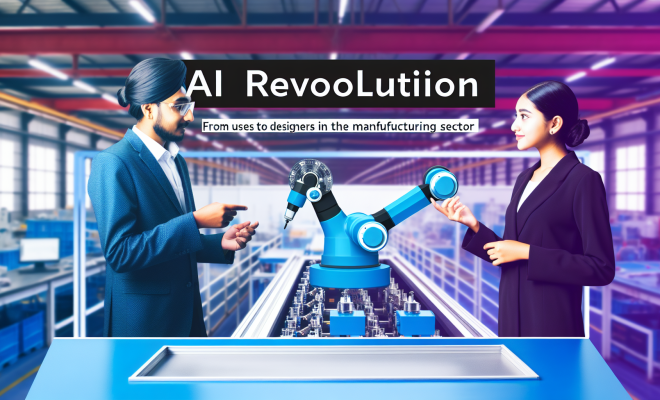
Shifting Paradigms in Artificial Intelligence
The week of March 22-28, 2026, heralded a transformative shift in the landscape of artificial intelligence (AI), particularly within manufacturing. This period marked a transition from merely utilizing AI technologies to taking on the role of AI designers. With significant advancements in AI capabilities, industries are rapidly evolving their approaches to harnessing the power of AI.
OpenAI Enhances ChatGPT with Innovative Features
On March 24, OpenAI unveiled new features for its flagship product, ChatGPT, aimed at enhancing user experience and product discovery. The enhancements included visual browsing capabilities and side-by-side comparisons of products, thus empowering users with more comprehensive decision-making tools. This evolution signifies a critical step in the integration of AI into everyday consumer experiences.
Strategic Partnerships with Major Retailers
In conjunction with its new features, OpenAI collaborated with major retailers such as Shopify and Walmart. These partnerships aim to create exclusive experiences that leverage AI to streamline shopping and enhance customer engagement. Retailers are beginning to recognize the potential of AI not just as a tool for analysis, but as a pivotal component in their operational strategies.
Apple’s Bold Move to Diversify Siri’s Capabilities
In a significant announcement, Apple disclosed plans to integrate multiple AI providers into its Siri platform with the upcoming iOS 27. This change will allow Siri to tap into advanced capabilities from other AI systems, including Gemini and Claude. By diversifying its AI partnerships, Apple is positioning Siri to become a more versatile and competent assistant, capable of meeting a broader range of user needs.
Leadership Changes Signal Intent
To bolster its AI initiatives, Apple made headlines by hiring Lilian Rincon, former head of AI product marketing at Google. Rincon’s extensive experience in the AI field is expected to drive Apple’s ambitions in creating a more competitive and innovative AI ecosystem.
Arm’s Introduction of the AGI CPU Chip
In a notable development in the hardware sector, Arm launched its new AGI CPU chip designed specifically for data centers focusing on agent AI workloads. This advancement signifies a pivotal shift from traditional GPU-heavy markets to a more optimized CPU and system-level competition. The AGI CPU is tailored to enhance the efficiency and performance of AI applications, particularly in industrial settings.
Implications for the Manufacturing Sector
The introduction of such hardware innovations is expected to revolutionize the manufacturing landscape. With AI now becoming a central component of industrial processes, manufacturers are transitioning from just being users of AI technology to actively designing and implementing their own AI systems.
The Future of AI in Industry
The developments during this week underscore a broader trend in which companies are no longer passive consumers of AI but are increasingly becoming innovators and designers within the AI space. Key takeaways include:
- Enhanced Consumer Experience: With advancements in AI such as those from OpenAI, consumers are presented with better tools for making informed choices.
- Diverse AI Ecosystems: Apple’s strategy to open Siri to multiple AI providers reflects a growing trend towards collaboration in the AI space.
- Hardware Innovation: Arm’s AGI CPU chip signals a move towards more specialized hardware that can better support the burgeoning demands of AI applications.
Conclusion
The week of March 22-28, 2026, has undeniably marked a turning point in the relationship between artificial intelligence and industry. As manufacturers evolve from users to designers, the implications for innovation, efficiency, and competition are profound. The ongoing advancements in AI technology, coupled with strategic partnerships and hardware innovations, will likely continue to shape the future of various sectors, ushering in a new era of AI-driven solutions.