Constant Contact pricing plans explained
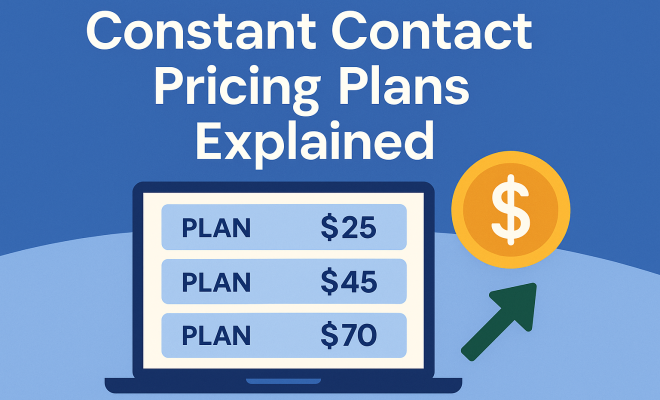
When you’re running a small business, every dollar counts. You’re constantly weighing the cost of tools against the value they deliver, trying to squeeze every bit of efficiency and marketing reach out of your budget. That’s why understanding the ins and outs of a platform like Constant Contact is so crucial, particularly its pricing structure. For years, Constant Contact has been a go-to for small businesses and non-profits looking to get serious about email marketing. They’ve built a reputation for user-friendliness, robust features, and a commitment to helping smaller organizations thrive. But like any good service, it comes with a price tag, and that price tag has seen some evolution over time. Let’s really dig into Constant Contact pricing, how it works, what you get for your money, and whether it’s the right fit for your specific needs.
It’s easy to just look at a number and make a snap judgment, but that rarely tells the whole story. What we’re going to do here is dissect their offerings, look at the tiers, and understand the factors that influence your monthly bill. We’ll also consider how Constant Contact stacks up against alternatives and help you determine if their value proposition aligns with your business goals. After all, a tool isn’t just about its cost; it’s about the return on investment it provides.
A Legacy of Email Marketing: Understanding Constant Contact’s Foundation
Before we even touch on Constant Contact pricing, it’s worth acknowledging their place in the email marketing universe. Constant Contact isn’t some fly-by-night startup; they’ve been around since 1995, practically a dinosaur in tech years. This longevity speaks volumes about their adaptability and their consistent ability to meet the needs of their target audience. Initially, they focused almost exclusively on email newsletters, helping small businesses digitize their communication. Over the decades, however, they’ve expanded their suite of tools significantly, recognizing that modern marketing requires a more integrated approach.
Today, Constant Contact offers far more than just email. You’ll find features for social media marketing, website building, e-commerce, and even event management baked into their platform. This expansion means that when you’re evaluating Constant Contact pricing, you’re not just looking at the cost of sending emails; you’re considering a more comprehensive marketing toolkit. This integrated approach can be incredibly appealing for businesses that prefer to manage multiple marketing channels from a single dashboard, rather than juggling several different subscriptions.
Their focus has always remained squarely on small businesses, non-profits, and entrepreneurs. They understand the challenges these groups face: limited budgets, often a lack of dedicated marketing staff, and the need for tools that are powerful yet intuitive. This user-centric philosophy has guided their product development and, by extension, their pricing strategy. They aim to provide accessible solutions without overwhelming users with overly complex features or prohibitive costs.
The Core of Constant Contact Pricing: Contact-Based Tiers
At its heart, Constant Contact’s pricing model is primarily driven by the number of contacts you have in your email list. This is a common practice among email marketing platforms, and it makes sense: the more people you’re sending emails to, the more resources the platform expends. It’s a scalable model that generally ensures you only pay for what you use, or rather, for the potential reach you have. What this means in practice is that as your list grows, your monthly fee will increase, regardless of which specific plan you’re on.
For instance, if you have a list of 500 contacts, your base price will be significantly lower than someone with 5,000 contacts. If your list swells to 10,000, expect another jump. This contact-based tiering is the fundamental factor you need to consider when budgeting for Constant Contact. It’s not just about the features you want today, but also about anticipating your list growth. It’s a good problem to have, of course – a growing list usually means a growing business – but it’s one you need to factor into your financial planning.
It’s also worth noting that Constant Contact has, at times, offered promotional rates or discounts for annual commitments. While the core pricing structure remains contact-based, keeping an eye out for these offers can sometimes save you a bit of money, especially if you’re confident you’ll be using the service for the long haul. Always check their current offers before committing, as these can change periodically.
Understanding the Plans: Core, Standard, and Premium
Constant Contact typically offers a tiered approach to its features, moving from a foundational ‘Core’ plan up to more advanced ‘Standard’ and ‘Premium’ options. The exact names and feature sets can sometimes shift slightly as they refine their offerings, but the general principle remains: more features, more sophistication, higher price. Let’s break down what you can generally expect from each tier, keeping in mind that the contact count will always be the underlying cost driver.
The Core Plan: Getting Started with Email Essentials
The ‘Core’ plan is designed for businesses just starting out or those with more basic email marketing needs. You’ll get unlimited email sends, which is fantastic – you don’t have to worry about hitting a cap on how many campaigns you run. It typically includes customizable email templates, basic list management, and fundamental reporting tools so you can see who’s opening your emails and clicking your links. Crucially, it also generally includes features like A/B testing for subject lines, which is a surprisingly powerful tool for optimizing open rates even at a basic level. (See: Email marketing overview on Wikipedia.)
You’ll also usually find tools for website signup forms and basic integrations with popular apps. For many small businesses, especially those focused primarily on sending out newsletters or promotional offers, the Core plan provides a solid foundation. It’s about getting your message out effectively without unnecessary complexity. Think of a local bakery sending out weekly specials or a freelance designer sharing portfolio updates – the Core plan likely covers their immediate needs.
The Standard Plan: Growing Your Reach and Engagement
Stepping up to the ‘Standard’ plan introduces more advanced features aimed at businesses looking to deepen engagement and automate parts of their marketing. This tier usually builds upon everything in the Core plan and adds things like advanced segmentation tools, allowing you to slice and dice your audience based on behavior, demographics, or past interactions. This means you can send more targeted, relevant messages, which almost always leads to better engagement.
A significant addition here is often marketing automation. This is where you can set up automated email series – welcome sequences for new subscribers, birthday emails, or follow-ups after a purchase. These ‘set it and forget it’ campaigns are incredibly valuable for nurturing leads and building customer loyalty without constant manual effort. The Standard plan might also include more robust reporting, potentially offering insights into click-through heatmaps or device usage. Some social media posting tools and potentially more advanced integrations might also be part of this package, making it a more comprehensive marketing hub. Related reading: insurance providers overview.
The Premium Plan: Maximizing Your Marketing Prowess
For businesses with more complex marketing strategies, larger lists, or those heavily reliant on e-commerce, the ‘Premium’ plan is typically the top-tier offering. This plan usually encompasses all the features of the Core and Standard plans, then layers on even more sophisticated tools. Expect advanced e-commerce marketing features, such as abandoned cart recovery emails, product recommendations, and potentially deeper integrations with platforms like Shopify or WooCommerce.
The Premium plan often includes dedicated support options, like a dedicated account manager or priority customer service, which can be invaluable for businesses that need quick resolutions or strategic guidance. Advanced segmentation, predictive sending (which tries to send emails when your subscribers are most likely to open them), and potentially more robust reporting and analytics are also common. If you’re running a complex online store, managing large-scale events, or need highly personalized communication at scale, the Premium plan is designed to provide that extra level of power and support.
Beyond Email: What Other Features Impact Constant Contact Pricing?
As we touched on earlier, Constant Contact has evolved into much more than just an email service provider. This expansion means that some of their plans bundle in additional tools that, if purchased separately, would add significantly to your overall marketing spend. Understanding these bundled features is key to evaluating the true value of Constant Contact pricing.
For example, many plans include a basic website builder. For a small business that doesn’t yet have a strong online presence, or needs a simple landing page for a specific campaign, this can be a huge benefit. Instead of paying for a separate website builder and hosting, you get a functional site integrated with your email marketing. Similarly, event management tools are often part of their offerings, allowing you to create event pages, manage registrations, and send out invitations and reminders directly from the platform. This is a game-changer for non-profits hosting fundraisers or businesses running webinars.
Social media posting and scheduling tools are another common inclusion. This allows you to manage your social media presence alongside your email campaigns, creating a more cohesive marketing strategy without jumping between different platforms. E-commerce integrations, as mentioned with the Premium plan, are also a significant value add, enabling direct product promotion and sales tracking. When you’re comparing Constant Contact pricing to competitors, remember to factor in the cost of these additional services if you would otherwise need to purchase them separately. Sometimes, a slightly higher monthly fee for an all-in-one solution is more economical than piecing together multiple subscriptions.
The Free Trial and Money-Back Guarantee: Trying Before You Buy
One of the best ways to truly understand if Constant Contact is the right fit for you – and to justify its pricing – is to experience it firsthand. Constant Contact understands this, which is why they offer a free trial. Typically, this trial allows you to use many of their core features for a set period, often 14 days, without needing to enter credit card information upfront. This is an invaluable opportunity to play around with the email editor, import your contacts, test out automation sequences, and get a feel for the user interface. It’s a no-risk way to see if the platform’s workflow aligns with your preferences and if the features meet your immediate needs.
Beyond the free trial, Constant Contact also generally backs its service with a money-back guarantee, though the terms can vary. This provides an additional layer of assurance. If you sign up for a paid plan and find within the specified period that it’s not working for your business, you can typically request a refund. Always check the current terms and conditions for both the free trial and the money-back guarantee, as these policies can be updated. But having these options available significantly reduces the risk associated with committing to a new marketing platform. You get to test drive the car before you buy it, and even return it if it doesn’t quite fit your garage.
Factors That Can Influence Your Constant Contact Pricing
While the number of contacts is the primary driver of your monthly bill, a few other factors can subtly influence your overall Constant Contact pricing. Being aware of these can help you better manage your budget and avoid surprises. (See: CDC on effective marketing strategies.)
- Annual vs. Monthly Billing: Like many SaaS companies, Constant Contact often incentivizes annual commitments with a discount. If you’re confident you’ll be using the platform for at least a year, paying upfront can save you a noticeable percentage compared to month-to-month billing. It’s a trade-off between flexibility and cost savings.
- Prepaid Plans: Sometimes, Constant Contact offers options to prepay for several months or even a year at a discounted rate. These can be particularly attractive for non-profits or small businesses with a stable budget looking to lock in lower rates.
- Non-Profit Discounts: This is a big one. Constant Contact has a long-standing commitment to non-profit organizations and often provides significant discounts. If you’re a registered non-profit, absolutely inquire about their specific non-profit pricing and programs. These discounts can make a substantial difference, sometimes up to 30% off, making their robust features much more accessible for organizations operating on tight budgets.
- Additional Services: While many features are bundled, there might be specific add-ons or premium services that carry an extra cost. This could include things like enhanced deliverability services, certain premium integrations, or specialized consulting. Always clarify what’s included in your chosen plan and what might incur an additional charge.
It’s crucial to consider all these variables when calculating your total potential Constant Contact pricing. Don’t just look at the base monthly fee; think about your long-term commitment, your organizational status, and any specific advanced features you might need.
Comparing Constant Contact Pricing to Competitors
No discussion of Constant Contact pricing would be complete without at least a brief look at how it stacks up against the competition. The email marketing landscape is crowded, with major players like Mailchimp, HubSpot, ActiveCampaign, Sendinblue (now Brevo), and ConvertKit all vying for attention. Each has its own pricing model, feature set, and target audience.
Mailchimp: Often seen as Constant Contact’s closest competitor, Mailchimp also uses a contact-based pricing model, and for many years offered a very generous free tier (though this has become more limited). Mailchimp is known for its user-friendly interface and creative tools. Their pricing can sometimes appear lower for very small lists, but as you scale, the costs can become comparable or even higher, especially if you need advanced automation. Mailchimp has also expanded its offerings to include websites and CRM features, similar to Constant Contact’s all-in-one push.
HubSpot: HubSpot’s marketing hub is incredibly powerful and comprehensive, offering CRM, sales, and service tools alongside marketing automation. However, its pricing model is often significantly higher, particularly for larger contact lists and advanced features. It’s generally aimed at larger businesses or those with complex sales funnels and deeper pockets. If you need a full-blown CRM and marketing automation suite, HubSpot might be a consideration, but its Constant Contact pricing equivalent would be at the much higher end.
ActiveCampaign: Known for its powerful marketing automation and CRM capabilities, ActiveCampaign is a strong contender for businesses focused on advanced segmentation and personalized customer journeys. Their pricing can be competitive, especially for what you get in terms of automation, but it can also quickly escalate with more contacts and additional features. It often requires a steeper learning curve than Constant Contact.
Sendinblue (Brevo): This platform offers a more send-volume-based pricing model, which can be advantageous for businesses with large lists but who send emails less frequently. They also have a free plan with a daily sending limit. Brevo offers email, SMS, chat, and CRM features, making it a strong all-in-one contender, often at a very competitive price point, especially for those who prioritize transactional emails or SMS.
ConvertKit: Primarily focused on creators, bloggers, and online course providers, ConvertKit emphasizes ease of use for content creators. Its pricing is also contact-based, and it excels in automation for digital product sales and subscriber management. If your business model is highly focused on content and digital products, ConvertKit could be a strong alternative, though it might not offer the same breadth of non-email marketing tools as Constant Contact.
The key takeaway here is that ‘cheaper’ isn’t always ‘better.’ You need to evaluate the features you truly need, the ease of use, the quality of support, and the scalability of each platform against its Constant Contact pricing. An all-in-one solution might seem pricier upfront but could save you money and headaches by consolidating tools. best small business options offers useful background here.
Maximizing Value from Your Constant Contact Investment
Once you’ve decided that Constant Contact is the right platform for you, how do you ensure you’re getting the most bang for your buck? It’s not just about the Constant Contact pricing; it’s about leveraging the features you’re paying for. (See: New York Times article on email marketing trends.)
First, segment your audience rigorously. Sending generic emails to your entire list is a surefire way to see low engagement and high unsubscribe rates. Use Constant Contact’s segmentation tools to send highly targeted messages. A segment for new customers, another for long-time loyalists, one for those who clicked on a specific product – these targeted efforts yield much better results than a ‘spray and pray’ approach. If you’re paying for advanced segmentation in a higher-tier plan, make sure you’re using it.
Second, embrace automation. The set-it-and-forget-it nature of marketing automation is incredibly powerful. Set up welcome series for new subscribers, automated follow-ups for event attendees, or abandoned cart reminders. These automated flows work 24/7, nurturing your leads and customers without constant manual intervention, effectively multiplying your marketing efforts.
Third, utilize all bundled features. If your plan includes the website builder, event management, or social media tools, explore them. Even if you have existing solutions, Constant Contact’s integrated approach might offer efficiencies. For example, using their event management system means your event registrations automatically flow into your email list, simplifying follow-up. Don’t pay for features you don’t use, but also don’t ignore features you’ve already paid for.
Finally, monitor your analytics. Constant Contact provides reporting tools for a reason. Look at your open rates, click-through rates, and conversion metrics. A/B test your subject lines, content, and calls to action. Continuous optimization based on data ensures that your email campaigns are always improving, directly impacting your ROI and making your Constant Contact pricing feel like a wise investment.
The Bottom Line on Constant Contact Pricing
Constant Contact pricing, at its core, reflects a value proposition tailored for small businesses and non-profits that need a robust, user-friendly, and increasingly comprehensive marketing platform. While the price certainly isn’t ‘free’ (beyond the initial trial), it aims to be competitive for the features and support it offers. Your monthly cost will primarily hinge on the size of your email list and the specific feature set you require, with options ranging from essential email tools to advanced automation and integrated marketing capabilities.
It’s clear that Constant Contact is trying to be more than just an email provider; they’re aiming to be a one-stop-shop for many small business marketing needs. For some, this bundled approach represents excellent value, consolidating several tools into one manageable subscription. For others, particularly those who already have strong solutions for other marketing channels, it might mean paying for features they don’t fully utilize. The best way to make an informed decision is to take advantage of their free trial, carefully assess your current and future marketing needs, and compare their specific tiered offerings against direct competitors, always factoring in those potential non-profit discounts or annual savings. Ultimately, the ‘right’ Constant Contact pricing is the one that aligns with your budget while delivering the tools you need to effectively connect with your audience and grow your business.
Remember, a marketing tool is an investment, not just an expense. The goal isn’t necessarily to find the absolute cheapest option, but the one that provides the best return on that investment through increased engagement, leads, and sales. Constant Contact has spent decades refining that balance, and for many, it continues to hit the mark.
Trending Now
Frequently Asked Questions
What are the pricing plans for Constant Contact?
Constant Contact offers several pricing plans tailored for different business needs. These include options based on the number of contacts and the features you require, such as email automation, list segmentation, and reporting tools. It's important to evaluate each plan to find the best fit for your marketing goals and budget.
Is Constant Contact worth the price?
Determining if Constant Contact is worth the price depends on your specific needs and goals. The platform is known for its user-friendly interface, strong customer support, and comprehensive marketing tools, which can provide a solid return on investment for small businesses and non-profits focused on email marketing.
How does Constant Contact compare to other email marketing tools?
Constant Contact stands out due to its long history in the email marketing space and its robust feature set, which includes advanced automation and analytics. While other tools may offer lower prices, Constant Contact's reliability and support can justify its cost for many businesses looking for a comprehensive solution.
What features are included in Constant Contact's plans?
Constant Contact's plans include various features such as customizable email templates, list management, social media integration, and performance tracking. Higher-tier plans offer advanced features like automation and A/B testing, allowing businesses to enhance their marketing efforts based on their needs.
Can I try Constant Contact before committing?
Yes, Constant Contact offers a free trial that allows potential users to explore its features and capabilities without any financial commitment. This trial period is a great opportunity to assess whether the platform aligns with your email marketing goals and provides the necessary tools for your business.
Have you experienced this yourself? We'd love to hear your story in the comments.