Combatting Science-Washing: A Guide for Older Adults by 2026
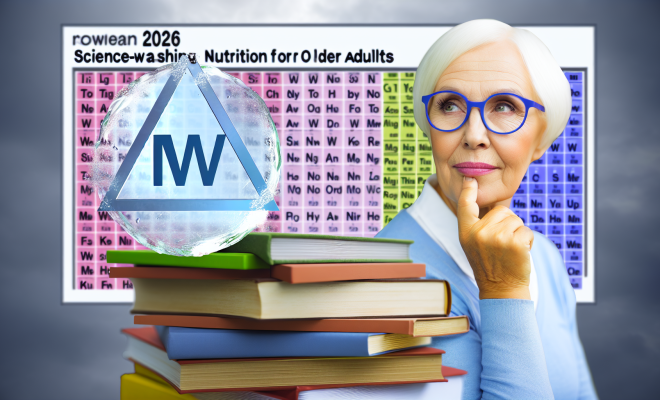
As we approach 2026, a pivotal year for the aging population, it’s crucial to be aware of a growing trend in the food and nutrition sector: science-washing. This phenomenon, characterized by misleading claims rooted in pseudo-science, poses a significant risk for consumers, particularly older adults seeking genuine health benefits from their dietary choices.
The Aging Population and the Demand for Nutritional Solutions
By 2026, the demographic landscape will shift dramatically as the population of older adults continues to swell. With approximately 1 in 5 adults expected to be over the age of 65, the demand for products that promise enhanced longevity and improved health will surge. This demographic shift is not just a statistical change; it represents a burgeoning market ripe for innovation and, unfortunately, exploitation.
Understanding Science-Washing
Science-washing occurs when companies leverage scientific terminology and research to create the illusion of credibility around their products. While some claims may be based on legitimate studies, many are exaggerated or completely fabricated. The result? Consumers are often left confused and misled.
- Misleading Claims: Products may boast of ingredients that are “clinically proven” to enhance health, but the studies cited might be limited, outdated, or selectively presented.
- Pseudo-Science: Companies may employ obscure scientific jargon that sounds impressive but lacks real substance, making it difficult for average consumers to discern truth from marketing hype.
- Emotional Appeal: The use of emotional language and imagery can further obscure the reality, leading consumers to make decisions based on fear or desire rather than informed understanding.
Why Older Adults Are Vulnerable
Older adults are often in search of solutions to improve their health and quality of life, making them prime targets for misleading marketing practices. Many face age-related health challenges, such as chronic diseases and cognitive decline, prompting them to look for dietary interventions that can help.
However, their increased vulnerability is also linked to several factors:
- Health Literacy: Many older adults may not have the same level of health literacy as younger generations, making it harder for them to evaluate scientific claims critically.
- Trust in Authority: Older consumers often place significant trust in the authority of scientific claims, which can lead them to accept dubious assertions without question.
- Desperation for Solutions: The desire for effective solutions can lead to impulsive purchases based on promises of miraculous health benefits.
Identifying Genuine Science
As the landscape becomes increasingly cluttered with exaggerated claims, it becomes vital for consumers, especially older adults, to learn how to identify credible science. Here are some practical tips:
- Look for Peer-Reviewed Research: Ensure that any claims made about a product are backed by peer-reviewed studies published in reputable journals.
- Check the Source: Investigate the company’s background and its reputation within the scientific community. Are they transparent about their research methods?
- Beware of Absolute Claims: Be skeptical of products that promise to cure ailments or offer miraculous benefits without any qualifications.
- Consult a Professional: Before making significant dietary changes or purchasing new supplements, consult a healthcare provider or a registered dietitian.
The Role of Regulation
Currently, the regulation of nutritional products is often inadequate, allowing misleading claims to flourish. The Food and Drug Administration (FDA) and the Federal Trade Commission (FTC) do oversee some aspects of food marketing, but loopholes persist.
As the demand for health-focused products grows, there is a pressing need for stricter regulations to protect consumers from deceptive practices. Advocacy for clearer labeling and more transparent marketing practices will be essential as we move toward 2026.
Empowering Consumers
Education is key in the battle against science-washing. Older adults and their caregivers must be equipped with the knowledge to navigate this complex landscape effectively. Community workshops, informational resources, and access to nutrition professionals can empower seniors to make informed decisions about their health.
In conclusion, as we approach 2026, a year that promises both challenges and opportunities for the older adult population, it is essential to remain vigilant against the tide of science-washing. By fostering awareness and promoting education, we can help ensure that consumers can discern legitimate nutritional benefits from mere marketing gimmicks.